
Wichita, Kansas, is attracting a new wave of middle-class residents by focusing on affordable housing and a lower cost of living, leading to a 15,000-person increase in the county's population over five years.
Wichita, Kansas, is attracting a new wave of middle-class residents by focusing on affordable housing and a lower cost of living, leading to a 15,000-person increase in the county's population over five years.
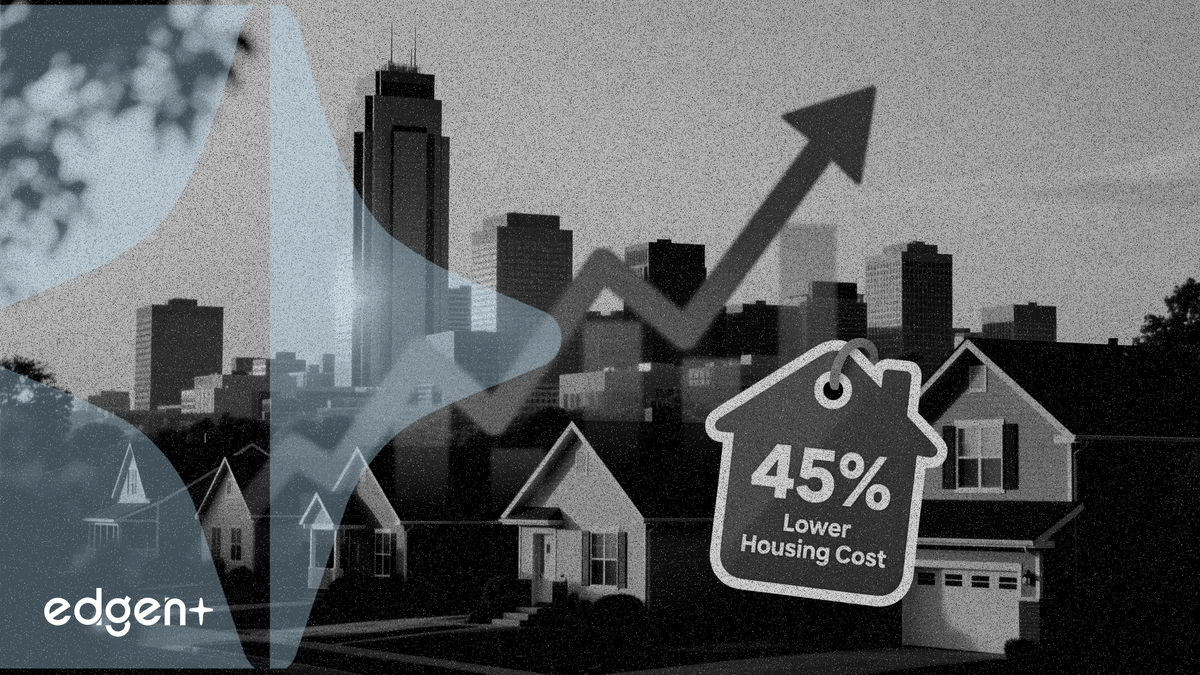
Wichita is betting its future on the American middle class, a stark contrast to Sunbelt cities chasing wealthy tech and finance executives. The Kansas city’s focus on affordable housing has helped swell Sedgwick County's population by 15,000 people over the past five years, with average apartment rents sitting 45 percent below the national average.
“Your middle-income folks, your young professional that doesn’t have a child just yet. That’s the type of individual that we want to come to our community,” Wichita Mayor Lily Wu said. The city is actively developing a downtown healthcare corridor to create a steady stream of jobs, aiming to replace the manufacturing positions that have historically driven its economy.
The city’s affordability is a significant draw. The average monthly rent for an apartment is $950, compared to the national average of $1,750, according to RentCafe. With a median household income of approximately $66,000, residents find their dollars go further. This has led to Wichita experiencing the largest annual increase in renter competition of any U.S. city, according to a RentCafe analysis.
This strategy is a direct response to the long-term decline in the region's legacy industries of aviation manufacturing and agriculture. By promoting the construction of affordable duplex communities—a "light-touch density" approach—the city is adding necessary housing stock without the soaring prices seen elsewhere. This provides a pathway to stable, middle-class life for workers in growing sectors like healthcare.
Developers are embracing the duplex model as a way to navigate rising material and land costs. "The biggest piece is affordability," said Rachel Lange-Mills, president of Lange Real Estate, a firm building duplex communities. "If they’re not willing to pay for it, we don’t want inventory sitting there vacant." This approach allows developers to split a single lot into two revenue streams, making projects more financially viable.
The strategy appears to be resonating with residents. Kolby Newton, who works at a local record store, recently moved into a duplex with his girlfriend after their downtown apartment rent was raised. "It’s nice to have that home feel," Newton said, noting that a duplex offered a yard for their dog without the high cost of a mortgage.
For decades, Wichita was known as the "Air Capital of the World," home to aircraft manufacturers like Textron and Spirit AeroSystems. However, the grounding of the Boeing 737 MAX and the pandemic's impact on travel led to thousands of job losses. Now, farmland is increasingly being converted into housing to accommodate newcomers.
Long-time residents are noticing the shift. Michael Hull, a retired farmer who has lived in the area for nearly 30 years, has seen his neighborhood transform. “When we moved out here, we had no neighbors,” he said. “Everybody wants a house, but nobody can afford a house anymore. So there’s been demand.”
This article is for informational purposes only and does not constitute investment advice.
