
Jerome Powell will not leave the Federal Reserve after his term as chair ends this week, setting up a potential clash with his successor, the Donald Trump-nominated Kevin Warsh, who was confirmed by the Senate on Wednesday.
Jerome Powell will not leave the Federal Reserve after his term as chair ends this week, setting up a potential clash with his successor, the Donald Trump-nominated Kevin Warsh, who was confirmed by the Senate on Wednesday.
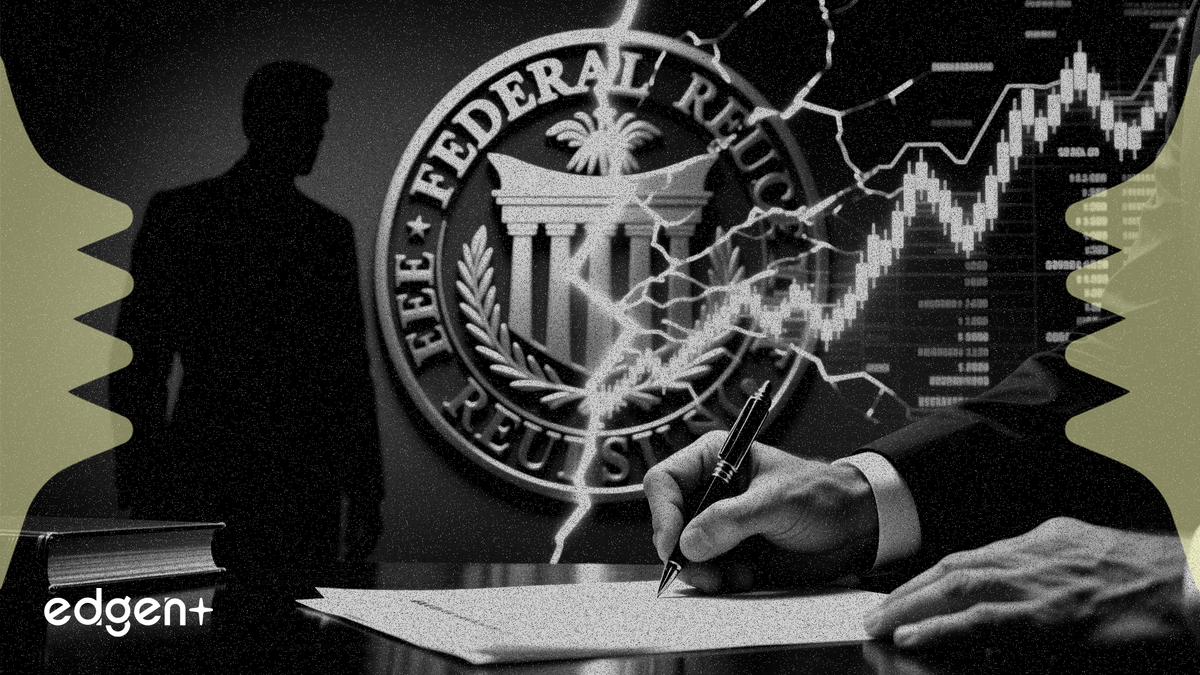
The U.S. Senate confirmed Kevin Warsh as the next Federal Reserve chair in a deeply partisan vote, installing new leadership at the central bank as inflation resurges to a 3.8 percent three-year high. Warsh, a former Fed governor critical of its recent policies, inherits a divided committee and a predecessor, Jerome Powell, who will remain on the board.
"Kevin Warsh is just such a person," Senate Majority Leader John Thune said, urging support for a chair who can "appreciate the microeconomy: and that’s the hardworking Americans, their jobs and their livelihoods.”
The confirmation comes as the Fed grapples with inflation that has topped its two percent target for five years and is now accelerating due to a 50 percent spike in gas prices. The Fed's key interest rate remains in the 5.25 percent to 5.50 percent range, unchanged for three meetings. Warsh's confirmation has fueled concerns over the Fed's independence, with his nomination receiving only one Democratic vote.
Warsh, who has advocated for interest rate cuts, now faces a board where his predecessor remains a powerful voice. Powell’s decision to stay on as a governor until his term expires in 2028—the first time a chair has done so since 1948—is widely seen as a move to safeguard the institution's independence from the political pressure that defined his own term.
Jerome Powell’s eight-year tenure was marked by a series of unprecedented challenges. He steered the economy through the Covid-19 pandemic, deploying trillions in support and later admitting the Fed "crossed a lot of red lines" to prevent a second Great Depression. His most significant policy error was labeling the subsequent inflation surge "transitory," a misjudgment that saw consumer prices spike 9.1 percent by June 2022, a four-decade high. He corrected course with the most aggressive rate-hiking cycle in 40 years, ultimately achieving a rare "soft landing" by mid-2024.
The new chair, 56, takes over an institution facing deep internal and external pressures. The rate-setting committee saw the most dissenting votes in over three decades at its last meeting. Externally, Warsh faces scrutiny over his own independence after declining to say if Joe Biden won the 2020 election and facing criticism from Democrats for failing to fully disclose his wealth, estimated at over $100 million. He has called for a "regime change" at the Fed, favoring a less transparent communication style and lower interest rates, aligning with the public demands of President Trump.
Powell's continued presence on the board creates a unique dynamic. While he has stated he will not be a "shadow Fed chair," his vote and influence will be heavily scrutinized. His tenure was defined by a protracted battle for the Fed's independence against political attacks from the Trump administration, which included a Justice Department investigation into Powell himself. Analysts suggest this experience directly led to his decision to remain on the board. "Without this investigation, Powell would not have seriously considered staying," noted a former senior adviser. His term as a governor lasts until January 2028, creating a long-term, competing center of power and experience on the board Warsh will now lead.
This article is for informational purposes only and does not constitute investment advice.
