
The Supreme Court unanimously ruled Congress cannot automatically strip gun rights from all illegal drug users, striking down a 58-year-old federal law.
The Supreme Court unanimously ruled Congress cannot automatically strip gun rights from all illegal drug users, striking down a 58-year-old federal law.
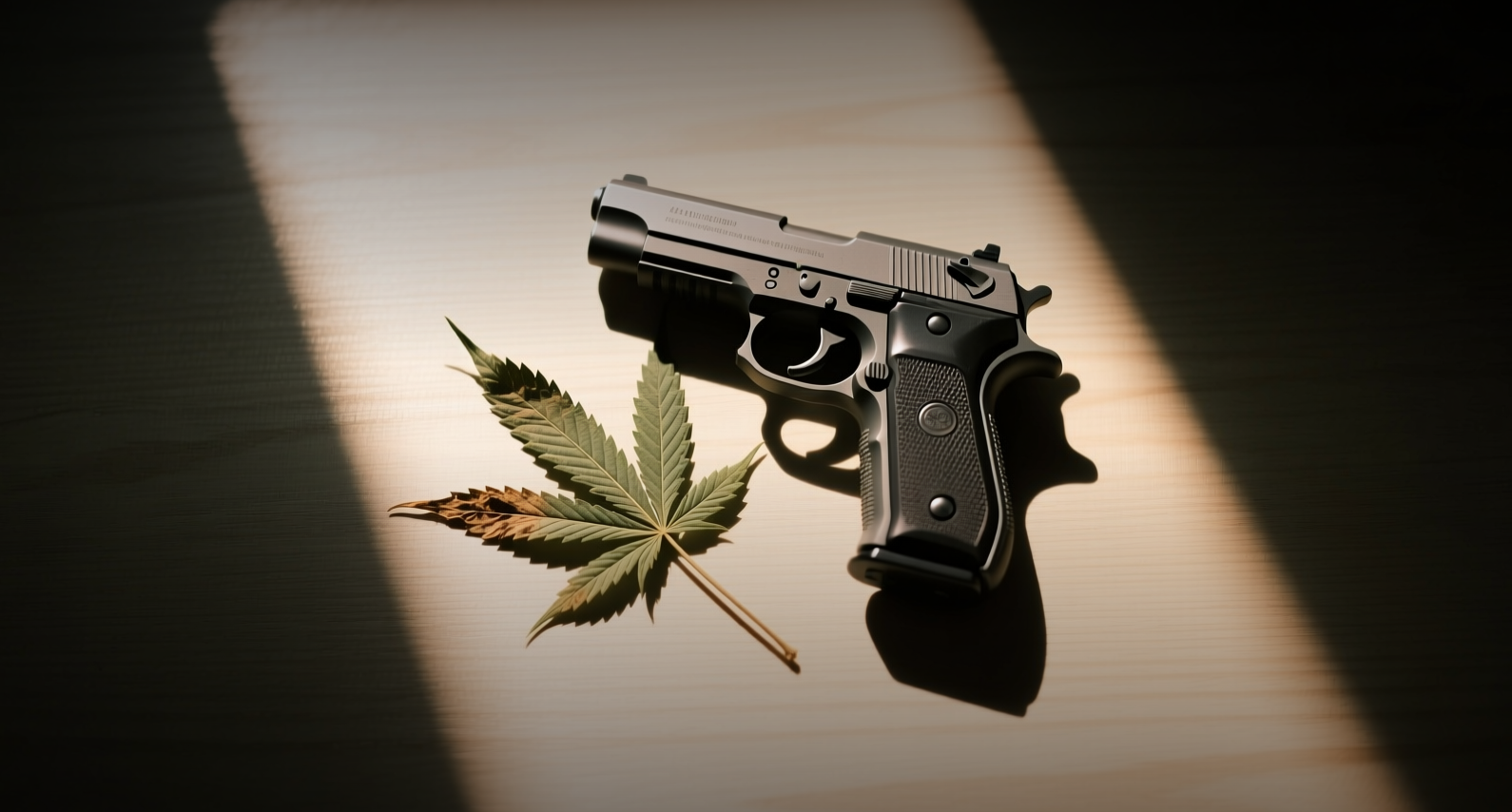
The Supreme Court unanimously ruled Congress cannot automatically strip gun rights from all illegal drug users, striking down a 58-year-old federal law.
The Supreme Court ruled 9-0 Thursday that a 1968 federal law automatically barring all illegal drug users from owning firearms violates the Second Amendment, striking down a statute that had been used to convict Hunter Biden and thousands of others.
"Without question, some unlawful users of controlled substances can pose a risk of violence," Justice Neil Gorsuch wrote for the court. "But the current statute on the books isn't written narrowly enough to cover only categorically and unusually dangerous people."
The case centered on Ali Hemani, a Texas man convicted after federal agents found a pistol, 60 grams of marijuana and cocaine during a search of his home. Hemani admitted using marijuana about every other day. The law prohibited "unlawful users" of controlled substances from gun ownership — a definition the court found unconstitutionally vague. More than 15% of Americans aged 12 or older used marijuana in 2024, according to the Substance Abuse and Mental Health Services Administration, while more than half of U.S. states have legalized cannabis broadly.
The ruling leaves Congress room to craft narrower legislation targeting intoxicated individuals, addicts or users of inherently dangerous drugs. But it marks the latest expansion of gun rights since the court's 2022 Bruen decision, which required gun regulations to have historically analogous precedents from the founding era — a test that has triggered hundreds of legal challenges nationwide.
Unusual Political Alliances
The case drew an unusual coalition of supporters for Hemani. The American Civil Liberties Union and the National Rifle Association both filed briefs backing the Texas man, alongside cannabis legalization groups such as NORML. On the other side, the Trump administration defended the law — a rare pro-gun-control stance for a Republican administration — joined by gun safety group Everytown for Gun Safety and several Democratic-led states.
The Trump administration had argued the law only targeted "habitual users" of illegal drugs and was similar to founding-era restrictions on "habitual drunkards." Hemani's lawyers countered that "habitual user" was no less vague than "unlawful user," and that enforcing the law against their client would empower the government to deprive tens of millions of Americans who pose little risk of firearm misuse of a fundamental constitutional right.
Market and Policy Implications
The ruling could benefit firearm manufacturers such as Smith & Wesson and Sturm Ruger by signaling a looser regulatory environment for gun ownership. For cannabis companies, the decision may reduce the legal stigma attached to marijuana use, though it also invites Congress to write a more targeted statute that could impose new restrictions on specific substances or usage patterns.
The decision comes after the Trump administration reclassified medical marijuana as a less-dangerous drug in April 2026, further complicating the federal regulatory landscape. The Justice Department must now decide whether to pursue narrower prosecutions under existing law or await new legislation from Congress.
This article is for informational purposes only and does not constitute investment advice.
