
MSCI kept South Korea in its emerging markets classification for 2026, rejecting Seoul's push for developed-market status.
MSCI kept South Korea in its emerging markets classification for 2026, rejecting Seoul's push for developed-market status.
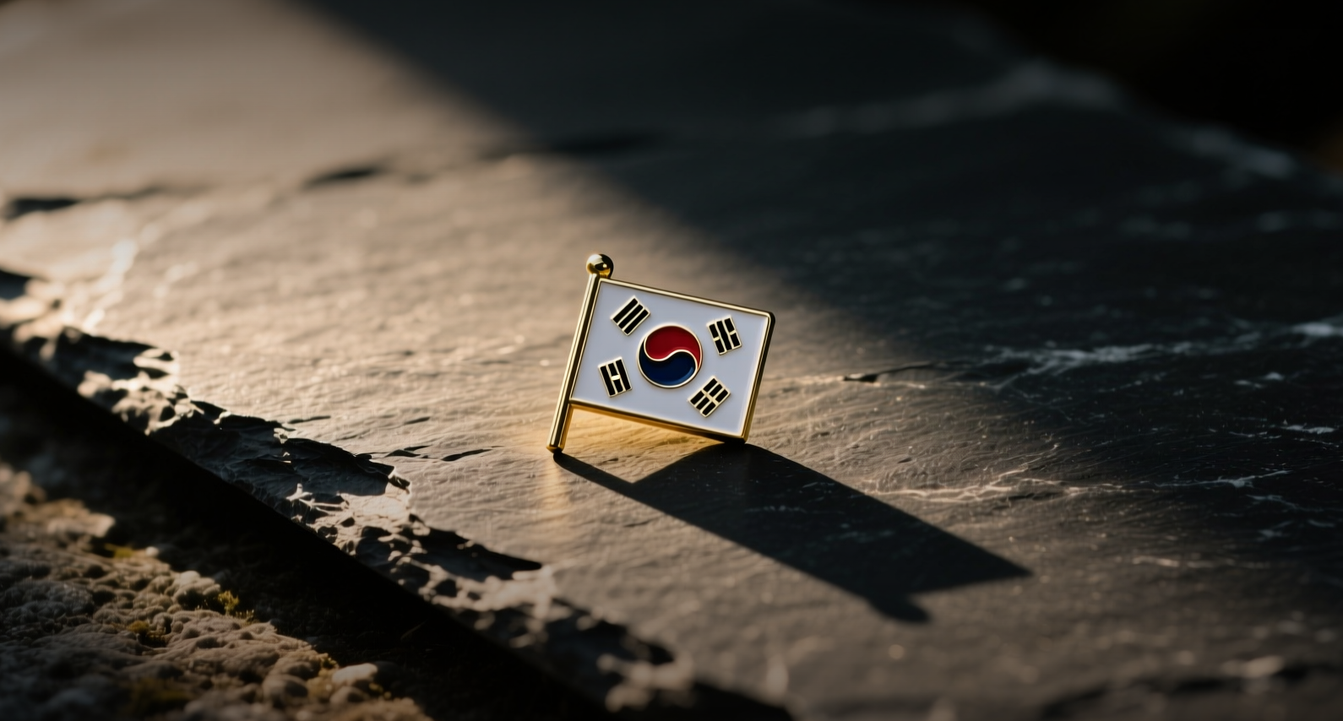
MSCI declined to upgrade South Korea to developed market status in its 2026 market classification review, citing unresolved concerns over market accessibility and foreign investor restrictions that have kept Asia's fourth-largest economy in the emerging-market category.
"MSCI acknowledged the reform measures announced by South Korean regulators but determined that fundamental issues have not been fully resolved," the index provider said in its June 23 review, according to Chinese state media.
The decision leaves South Korea in the same emerging-market category as China, India and Brazil, while smaller Asian peers such as Taiwan have already secured developed-market status at other index providers. The non-upgrade comes despite a series of reform announcements by South Korean regulators aimed at improving market accessibility and corporate governance standards.
The failed upgrade means South Korean equities will continue to miss passive inflows from developed-market-focused funds, which track a significantly larger pool of global assets. Emerging-market benchmarked funds tracking MSCI indexes will maintain their current South Korea weighting, rather than shifting to a developed-market framework that would have opened the country to a broader set of institutional mandates. The decision also raises questions about the pace and credibility of South Korea's capital market reforms, with the next MSCI review expected in 2027.
Reform Efforts Fall Short of MSCI Thresholds
South Korea's bid for developed-market recognition has been a multi-year effort spanning more than a decade. The country first sought the upgrade in 2008 but withdrew its application in 2014, citing insufficient progress. Seoul relaunched the push in 2022 with a series of capital market reforms, including extended trading hours and eased short-selling rules.
The Financial Services Commission has since implemented measures to improve foreign investor access, including a centralized disclosure system and streamlined registration processes. However, MSCI has flagged persistent concerns over the mandatory use of domestic identification numbers for trading and restrictions on short selling that remain more stringent than those in developed markets.
The Korea Exchange has also pushed to improve corporate governance standards, introducing a comply-or-explain stewardship code. But governance concerns at major family-run conglomerates, known as chaebols, continue to weigh on the assessment, with opaque cross-shareholding structures remaining a key sticking point.
Broader Regional Context
The South Korea decision comes alongside MSCI's review of other Asian markets facing classification challenges. The index provider extended its review of Indonesia's market status to November, flagging a possible downgrade from emerging to frontier classification. The Jakarta stock index has dropped nearly 30% this year, and a downgrade could trigger as much as $13 billion in outflows from Indonesian equities, according to Goldman Sachs.
MSCI also flagged concerns over persistent opacity in shareholding structures and suspected coordinated trading behavior in Indonesia, issues that mirror some of the governance challenges facing South Korea, though to a lesser degree.
What's at Stake
For Korean policymakers, the clock is now ticking toward the next review cycle. The government has signaled it will push ahead with additional reforms to address MSCI's concerns, including a potential overhaul of the foreign investor registration system and further liberalization of the currency market. Failure to secure an upgrade in a future review could prolong what analysts describe as a structural discount for Korean equities, deterring the foreign investment needed to support the KOSPI's valuation relative to regional peers such as Taiwan and Singapore.
This article is for informational purposes only and does not constitute investment advice.
