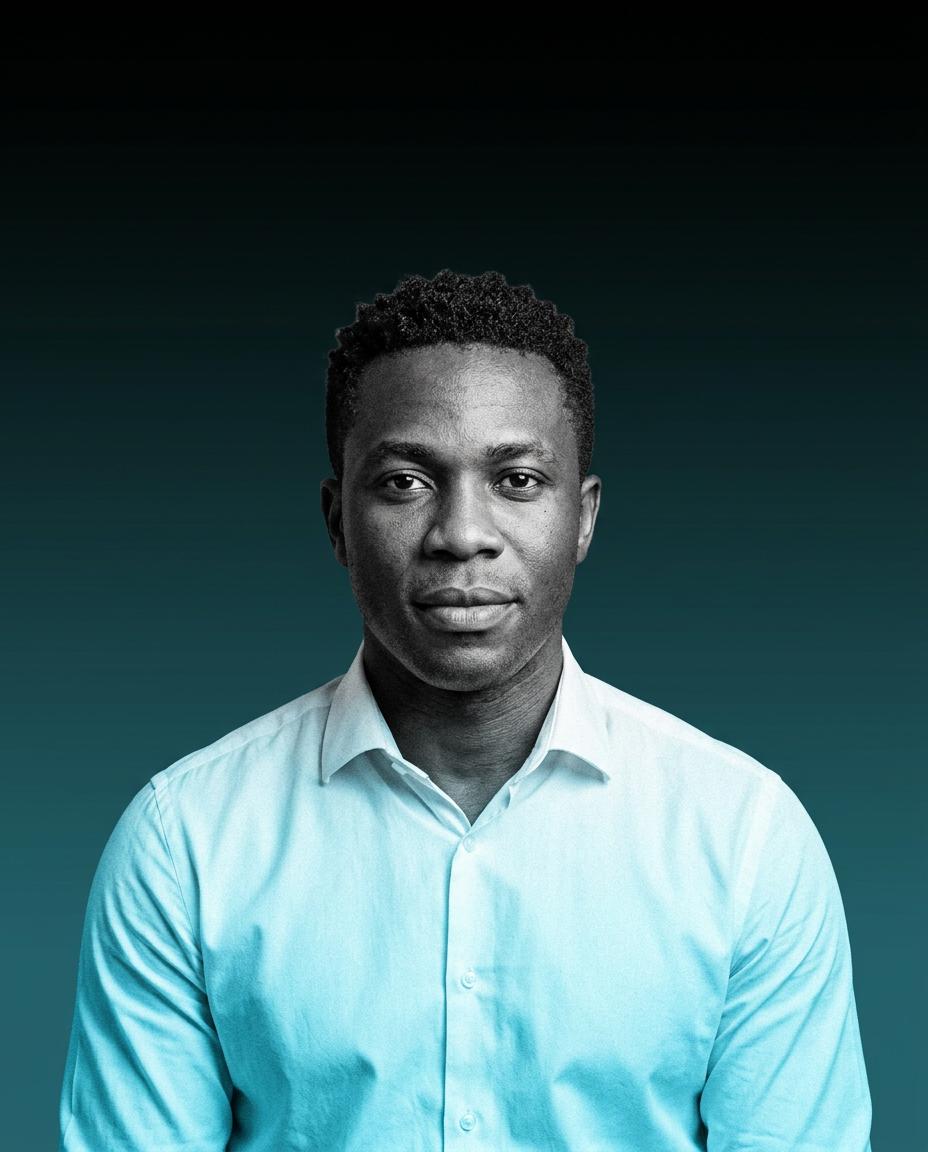
Minneapolis Fed President Neel Kashkari said he expects the central bank to raise interest rates later this year, a hawkish stance that threatens to tighten financial conditions further.
Minneapolis Fed President Neel Kashkari said he expects the central bank to raise interest rates later this year, a hawkish stance that threatens to tighten financial conditions further.
Minneapolis Fed President Neel Kashkari said he expects the central bank to raise interest rates later this year, a hawkish stance that threatens to tighten financial conditions further.
Minneapolis Fed President Neel Kashkari said he expects a rate hike this year, joining a hawkish chorus at the central bank as inflation runs at nearly double the Fed's 2% target.
"Inflation has proven more persistent than we anticipated, and I see a rate increase as appropriate before year-end," Kashkari said in an interview, without specifying the preferred magnitude.
The April consumer price index rose 3.8% from a year earlier, with core prices climbing 0.4% month-over-month — overshooting both the prior reading of 0.2% and the 0.3% consensus estimate. The fed funds rate has sat at 3.5% to 3.75% since the April 29 FOMC meeting, where Kashkari was among the dissenters who pushed back against any easing bias.
A rate hike would mark a sharp reversal from the cutting cycle markets had anticipated entering 2026. OIS markets now price a greater than 35% probability of at least one hike by year-end, up from near zero in January when Kashkari described talk of cuts as "way too soon."
The persistence of inflation reflects multiple forces that show no sign of abating. Pandemic-era supply chain distortions continue to ripple through labor markets and manufacturing, while tariff impacts are feeding into consumer prices more broadly. Energy costs — amplified by geopolitical conflicts involving Ukraine and Iran — are pushing up transportation, manufacturing, and food production expenses, creating a self-reinforcing cycle that the Fed's current rate level has failed to break.
The last time a Fed president publicly pre-committed to a rate hike before an FOMC meeting was in early 2023, when several officials signaled the need for additional tightening after pausing in June of that year. The S&P 500 fell 2.3% in the two weeks following those comments, while the 2-year yield rose 18 basis points as markets repriced the rate path.
Higher rate expectations have already begun to reverberate across markets. The 2-year Treasury yield has climbed as investors adjust for a more restrictive Fed, while the US Dollar Index has strengthened, adding pressure on emerging-market currencies and commodities priced in dollars. Risk assets including cryptocurrencies have come under pressure — Bitcoin fell following the April CPI release as the probability of hikes rose above 35%.
The next inflation print, due in mid-July, will be the most consequential data point of the quarter for rate expectations. If May and June CPI readings confirm the upward trend, the hawkish chorus at the Fed will only grow louder, and Kashkari's forecast may prove conservative. The next FOMC meeting is scheduled for late July, with markets watching for any shift in the committee's forward guidance.
This article is for informational purposes only and does not constitute investment advice.
