
DoubleLine Capital’s Jeffrey Gundlach sees no path for a Federal Reserve rate cut in 2026, citing stubborn inflation that he predicts will soon breach 4 percent.
DoubleLine Capital’s Jeffrey Gundlach sees no path for a Federal Reserve rate cut in 2026, citing stubborn inflation that he predicts will soon breach 4 percent.
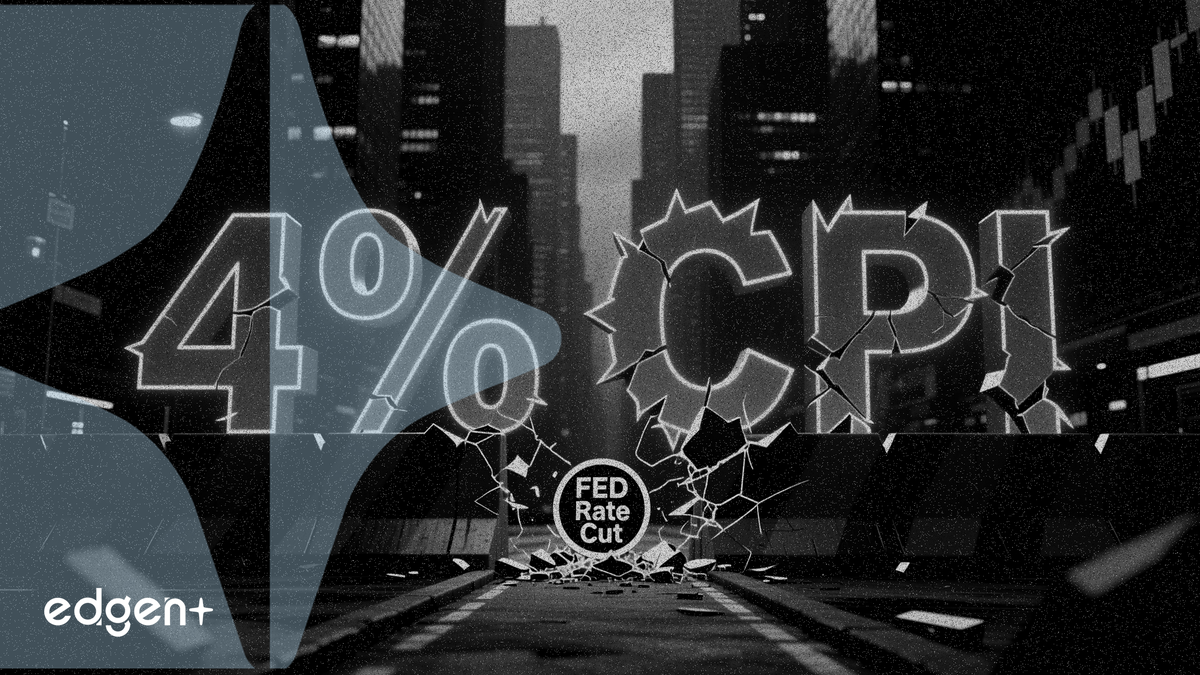
(P1) DoubleLine Capital CEO Jeffrey Gundlach said a Federal Reserve interest rate cut in 2026 is “impossible,” arguing that persistent inflation and signals from the bond market have closed the window for monetary easing. The comments on May 18 follow data showing US inflation jumped 3.8 percent in April, its fastest pace since May 2023 and well above the central bank’s target.
(P2) "With the two-year Treasury yield nearly 50 basis points above the federal funds rate, a rate cut is, to me, impossible," Gundlach said in an interview on Fox News’ “Sunday Morning Futures.”
(P3) The bond market’s pricing reflects a disbelief in the Fed’s ability to quickly contain inflation. The consumer price index for April accelerated to a 3.8 percent annual pace, and Gundlach warned that his firm’s models show the next CPI report will “start with a 4.” Compounding the pressure, oil prices have climbed due to the war in Iran, feeding directly into future inflation reports.
(P4) Gundlach’s outlook suggests the Fed will be locked into a “higher for longer” interest rate stance, directly challenging market expectations that had priced in two rate cuts this year. This leaves new Federal Reserve Chairman Kevin Warsh in a difficult position, inheriting a complex environment of high inflation and geopolitical shocks with limited policy tools to deploy.
Gundlach’s core argument rests on inflation data that refuses to cooperate with a dovish narrative. He noted that while the market was hoping for cuts, the data has consistently moved in the opposite direction. The forecast of a CPI print exceeding 4 percent would mark a significant setback for the Fed’s goal of returning to its 2 percent target, making it politically and economically difficult to justify lower rates. The surge in energy prices acts as a direct headwind, threatening to embed higher inflation expectations across the economy.
Despite the challenging macroeconomic backdrop, US equity markets have remained “bizarrely strong.” Gundlach attributes this to a speculative environment fueled by the Fed’s inability to act decisively on inflation. “When the Fed does nothing about inflation, the stock market just screams higher,” he said, pointing to better-than-expected corporate earnings that are “fueling a speculative frenzy.” He warned, however, that market valuations are “very expensive” and have already priced in a significant amount of risk.
Beyond equities, Gundlach reiterated his warnings on the private credit market, describing its need for a constant inflow of new investors as an “unsettling” structural feature driven by sponsors’ “greed” to manage more assets. For the past three years, he has been “very, very bullish on commodities,” viewing them as one of the few attractive alternatives for investors facing overvalued stocks and negative real returns on bonds.
This article is for informational purposes only and does not constitute investment advice.
