
Key Takeaways
- DXY dollar index hits 101.127, its highest level since May 2025
- Markets price 90% probability of a 25-basis-point rate hike in September
- Nine of 19 Fed officials project at least one rate increase by year-end
Key Takeaways
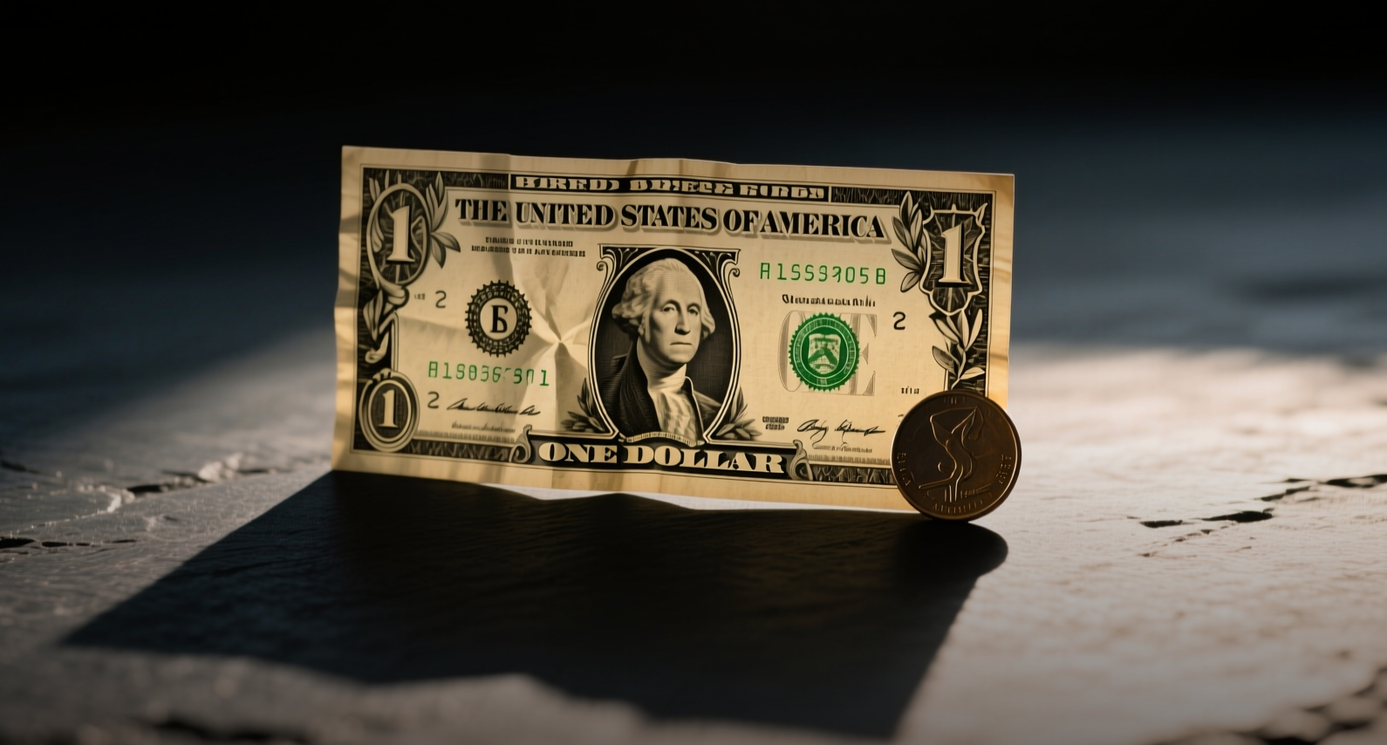
Kevin Warsh's first meeting as Fed chair triggered the sharpest repricing of U.S. rate expectations in 2026, sending the dollar to a one-year high and upending the cross-asset landscape.
The dollar surged to a one-year high after the Federal Reserve's hawkish hold under new Chair Kevin Warsh pushed market-implied odds of a September rate increase to 90%, fully priced by October — a dramatic reversal from just weeks earlier when no tightening was expected until 2027.
"In the near term, the dollar may enjoy post-Fed enthusiasm for a bit longer, with markets probably keen to fully price two hikes by December at the first strong data print," Francesco Pesole, foreign exchange strategist at ING, said.
The DXY dollar index touched 101.127 in early European trade Friday, its highest since May 2025, while the euro slid to a three-month low of $1.1416. The two-year Treasury yield spiked 15 basis points to briefly touch a 52-week high of 4.21%. The S&P 500 shed 1.4 percent and the Nasdaq dropped 1.5 percent on Wednesday before dip buyers partially reversed the losses by Thursday's close.
The repricing marks a seismic shift in the rate outlook. Two weeks ago, markets saw no path to tightening this year. Now, six of 18 Fed officials project two or more quarter-point increases by December, according to the quarterly dot plot released after the June 17 meeting. The Fed held its benchmark rate at 3.5 percent to 3.75 percent, but Warsh's first press conference left little doubt about the direction of travel.
The Fed's New Playbook
Warsh, who took the helm in March 2026 after President Donald Trump appointed him to replace Jerome Powell, used his debut meeting to establish his inflation-fighting credentials. He declared price stability the committee's "North Star" and said the Fed would deliver on its commitment to bring inflation back to the 2 percent target — a level it has consistently exceeded for the past five years.
The new chair also scrapped forward guidance, a tool his predecessor had used extensively. The FOMC's post-meeting statement was roughly half the length of the April version, and Warsh declined to answer questions about the future path of rates. The last time the Fed adopted such a pared-back communication approach was in the early 2010s, when then-Chair Ben Bernanke faced similar pressure to rebuild credibility after the financial crisis.
Warsh announced the creation of five task forces to review the Fed's communication framework, balance sheet policy, data sources, inflation target, and the impact of artificial intelligence on productivity and employment. The groups, composed of both Fed insiders and outside experts, will report recommendations by year-end.
Rate Differentials Widen as AI Investment Surges
The dollar's rally has been reinforced by a structural factor beyond the Fed's immediate policy stance: surging investment in artificial intelligence is driving U.S. growth and attracting capital inflows, creating demand for dollar-denominated assets. Companies are raising funds in the capital markets to finance AI infrastructure, intensifying competition for U.S. Treasury bonds and pushing yields higher.
"The recent decline in oil prices has led to lower rate expectations for most central banks, but this doesn't apply to the Fed," said Volkmar Baur, foreign exchange and commodity analyst at Commerzbank. "This is due in no small part to the ongoing euphoria surrounding artificial intelligence."
The U.S.-Iran interim peace deal signed June 17 sent oil prices tumbling toward $75 a barrel, down nearly 40 percent from conflict peaks. While lower energy costs typically ease inflation pressures globally, the Fed's hawkish stance has so far insulated the dollar from the usual downward pull of falling oil prices.
Some analysts question whether the dollar's gains will prove durable. The DXY index has traded above 100 on four occasions over the past 14 months and failed to sustain those levels each time. If inflation data over the coming months shows a sharper-than-expected decline — particularly as oil and tariff-related price increases reverse — the rate-hike bets that are driving the dollar higher could unwind quickly.
The May core PCE price index, the Fed's preferred inflation gauge, is due for release June 25. Economists forecast a monthly increase of just 0.2 percent. A print at or below that level would test the market's conviction that the Fed will follow through on its hawkish signals.
This article is for informational purposes only and does not constitute investment advice.
