
The dollar surged to a 52-week high after the Composite PMI unexpectedly hit 52.2, reinforcing bets the Fed will keep rates elevated.
The dollar surged to a 52-week high after the Composite PMI unexpectedly hit 52.2, reinforcing bets the Fed will keep rates elevated.
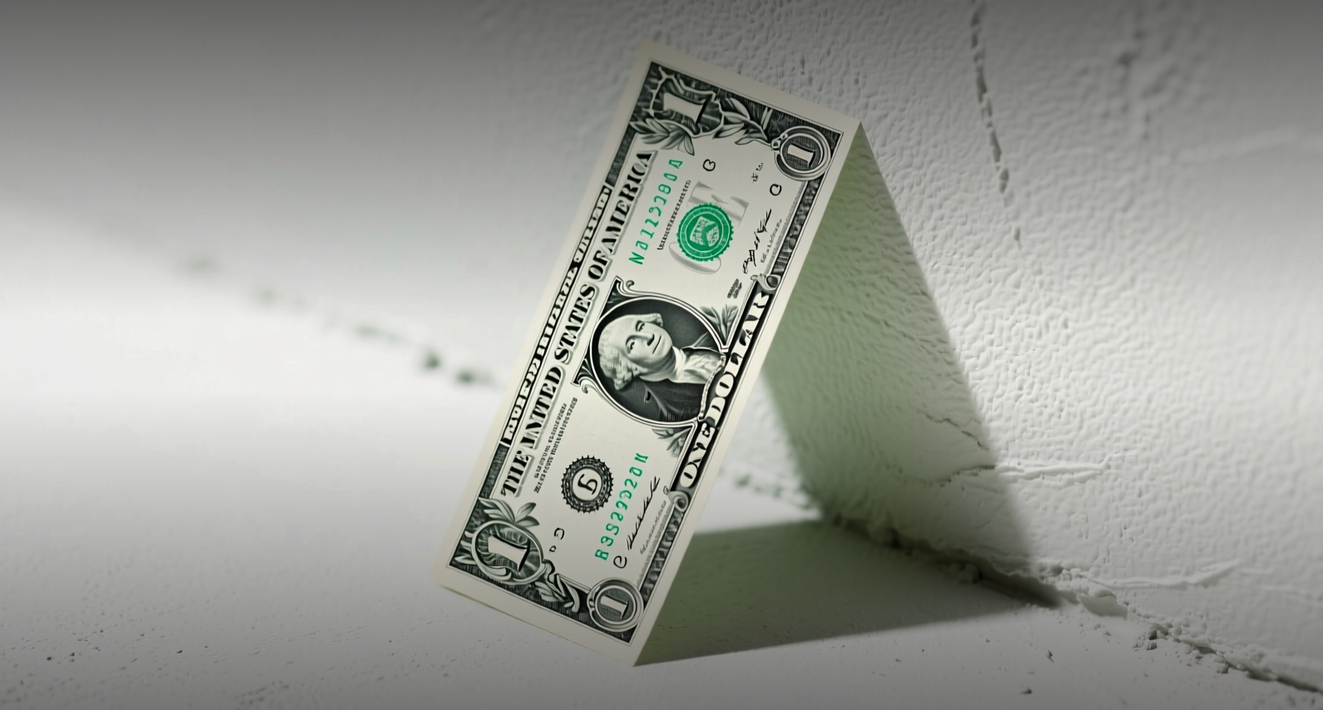
The dollar surged to a 52-week high after the Composite PMI unexpectedly hit 52.2, reinforcing bets the Fed will keep rates elevated.
The dollar climbed to a 52-week high Tuesday after the Composite PMI unexpectedly rose to 52.2 in June, the strongest in five months, strengthening hawkish Fed expectations.
"Brighter news out of the Middle East has helped restore some confidence among U.S. businesses in June, though the overall rate of economic growth signaled by the flash PMI survey remains relatively sluggish," Chris Williamson, chief business economist at S&P Global Market Intelligence, said.
The manufacturing sector led the advance, with the Manufacturing PMI climbing to 55.7 from 55.1, beating the 54.7 consensus, as output grew at the fastest pace since July 2021 on the largest rise in new orders in just over four years. The Services PMI edged up to 51.3 from 50.7, also above the 51.0 estimate, though service providers cited elevated prices, higher interest rates and low confidence among business and consumer customers.
The data complicates the outlook for rate cuts just as the Fed shifts away from forward guidance. Half of FOMC voting members now pencil in a rate hike this year, according to the latest dot plot, while OIS markets have repriced to reflect a higher probability of tightening. The next policy decision is July 29-30.
The dollar's rally rippled across asset classes. The U.S. 2-year yield climbed 5 basis points to 4.23 percent, the highest since February 2025, as near-term rate hike bets intensified. EUR/USD slipped toward the 2026 low of 1.1411, while the Bloomberg Dollar Spot Index extended its post-Fed advance. Brent crude fell 2.75 percent to $78.16 a barrel as progress in U.S.-Iran peace talks offset the dollar strength's typical inverse relationship with commodities.
The last time the Composite PMI printed above 52 was in January, when it reached 52.4. That reading preceded a period where the Fed held rates steady through the spring before the hawkish pivot at the June meeting. Williamson noted that current output levels are consistent with the economy growing at about a 1 percent annualized rate in the second quarter, suggesting the data reflects stabilization rather than acceleration. Companies' expectations for output in the year ahead improved to the brightest since February, though sentiment remained well below long-run averages as uncertainty persisted over the Middle East conflict and tariff policy.
Rate Path Hinges on Inflation Data
The PMI report's inflation sub-components will be closely watched for confirmation of the recent uptick in price pressures. Input cost inflation eased for a second month to its lowest since March, while output price inflation slowed to its weakest since February, according to the survey. If the trend holds, it could temper some of the hawkish repricing. But with half the FOMC now projecting a rate hike and Chair Kevin Warsh reducing forward guidance to focus on incoming data, each economic release carries outsized weight for the rate path.
This article is for informational purposes only and does not constitute investment advice.
