
Zhipu AI shares surged as much as 15% on July 8 after cornerstone investors holding nearly 70% of unlocked shares pledged to retain their positions, reducing near-term selling pressure from the lockup expiry.
Zhipu AI shares surged as much as 15% on July 8 after cornerstone investors holding nearly 70% of unlocked shares pledged to retain their positions, reducing near-term selling pressure from the lockup expiry.
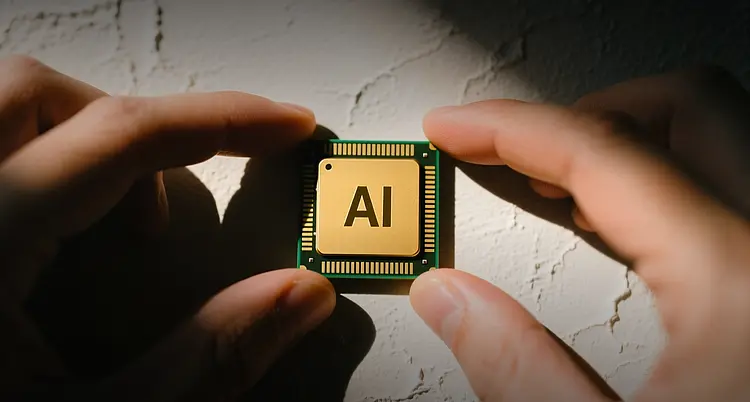
Zhipu AI shares surged as much as 15% on July 8 after cornerstone investors holding nearly 70% of unlocked shares pledged to retain their positions.
"We have strong conviction in Zhipu AI's long-term value and its position as a leader in China's AI development," a representative of one of the participating state-backed funds said in a statement.
The 25.6 million shares that became tradable represent about 6% of total outstanding shares. The stock has rallied more than 1,200% since its Hong Kong debut, making it one of the city's best-performing IPOs. The group of holders that committed to stay includes national strategic capital, local government industry guidance funds, large state-owned enterprise funds and market-oriented professional investment institutions.
The coordinated commitment removes a significant portion of near-term selling pressure from the lockup expiry. The broader Hong Kong market faces a record wave of lockup expirations, with Goldman Sachs estimating $274 billion in locked-up shares set to become tradable over the next 12 months. The bank's analysts found that stocks tend to decline 4% to 7% within three to six months after shares are released.
The show of support stands in contrast to concerns that Hong Kong's lockup wave could trigger widespread profit-taking. Morgan Stanley analysts noted in a report that secondary market selling pressure will be most concentrated in July and September, warning that "such events can create liquidity headwinds even when fundamentals are healthy."
Zhipu AI's lockup expiry coincides with those of other high-profile Chinese tech listings. MiniMax faces the release of 45% of its outstanding shares this week, while Shanghai Iluvatar CoreX Semiconductor will see 4.3% of its shares become tradable, according to exchange filings.
The Hang Seng Index has fallen 8.9% year-to-date, while the average first-day return for Hong Kong IPOs in the first half of 2026 reached 61%, according to EY data. The divergence between outsized IPO gains and a declining broader market has created conditions ripe for selling once lockups expire.
For Zhipu AI, the institutional commitment signals confidence that the company's growth trajectory can sustain its elevated valuation. The company is developing custom chips to meet surging demand for its GLM model, positioning it to compete with other Chinese AI labs in an increasingly crowded field. Investors will watch whether the stock can hold above its lockup-expiry level in the coming weeks as the broader wave of share releases tests market resilience.
This article is for informational purposes only and does not constitute investment advice.
