

Key Takeaways
- Xiaomi Auto launched SkyNomad, a new sub-brand for its first extended-range SUV
- The Kunlun N3 full-size SUV starts at 200,000 yuan and launches in 2H26
- Xiaomi enters a shrinking EREV market where Li Auto L9 sales fell 74%
Key Takeaways
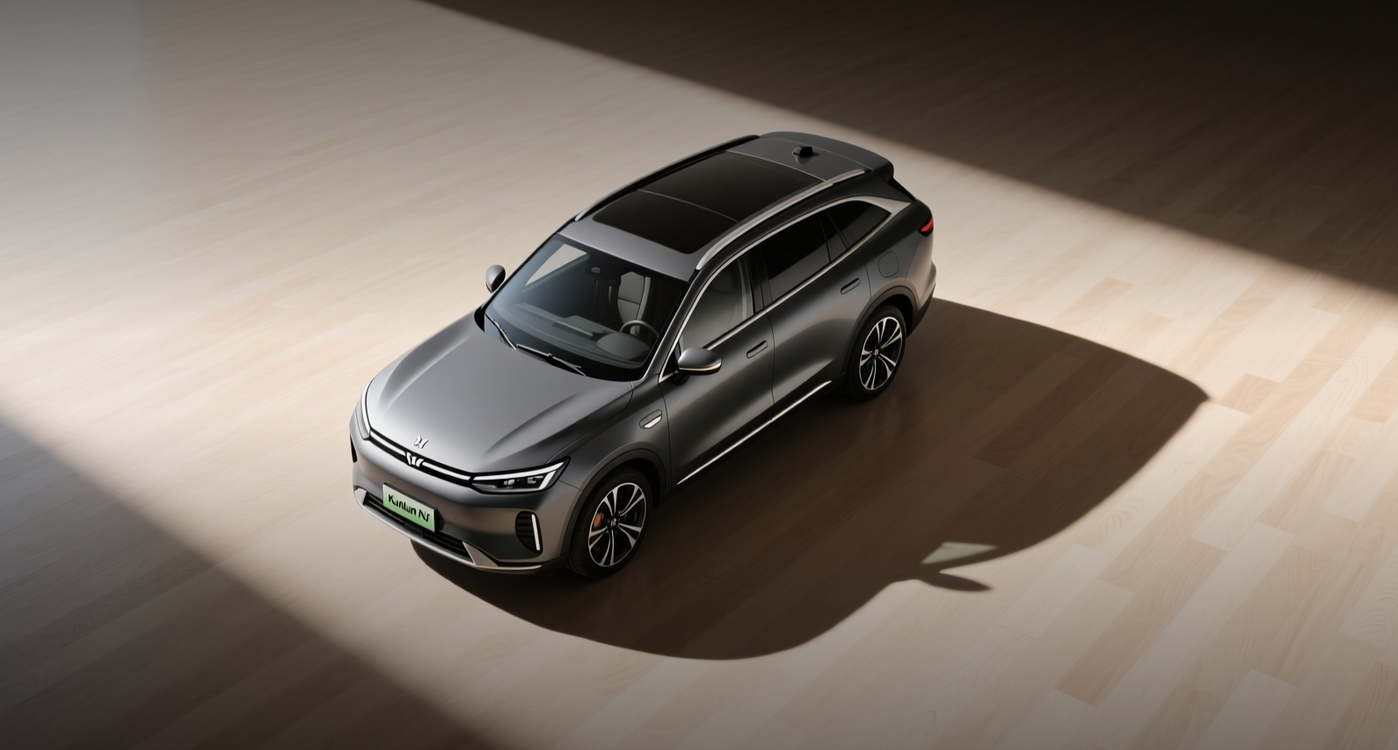
Xiaomi Auto officially confirmed SkyNomad as a new sub-brand for its first extended-range electric vehicle, a full-size SUV priced from 200,000 yuan ($29,419) that will enter a Chinese market where extended-range sales have contracted sharply.
"SkyNomad. Sky, nomad. A new name about space and life, saying hello to everyone first," Xiaomi EV wrote on its official Weibo account Wednesday, ending months of speculation about whether the brand would be a standalone entity or a product series. The company did not clarify the distinction in its announcement.
The first model, internally codenamed Kunlun N3, is a full-size extended-range electric vehicle (EREV) measuring more than 5.3 meters in length, according to a May report by local media outlet 21jingji. It will carry a battery pack exceeding 70 kilowatt-hours, delivering 400 to 500 kilometers of electric-only range, with Sunwoda supplying 60% of cells and CALB supplying 40%. The vehicle will be available in seven-seat and five-seat configurations, with the larger version featuring a roof lifting mechanism that deploys a built-in rooftop tent.
Xiaomi is entering an EREV segment that is contracting. Wholesale extended-range vehicle sales dropped nearly 25% in May, the steepest monthly decline in five years, while Li Auto's L9 — the model the Kunlun N3 will directly challenge — saw deliveries crater 74% year-on-year in the first four months of 2026. The Kunlun N3 will also compete with Huawei-backed Aito M9 and Leapmotor D19, both priced above 250,000 yuan. Xiaomi's strategy targets the cost-sensitive end of the market, with the main price range starting as low as 200,000 yuan.
The brand launch comes as Xiaomi's core EV business shows momentum but also mounting losses. The company delivered more than 30,000 vehicles for the third consecutive month in June, bringing first-half 2026 deliveries to nearly 180,000 units against a full-year target of 550,000. Yet the EV division reported an operating loss of approximately 3.1 billion renminbi in the first quarter, and automotive gross margins shrank from 25.5% to 20.1% quarter-on-quarter. Sales of the flagship SU7 sedan fell 14.24% year-on-year in May, compounding the margin squeeze.
Xiaomi has cleared regulatory hurdles for the new model. China's Ministry of Industry and Information Technology approved the company to produce extended-range electric passenger vehicles at its Beijing plant in June, expanding beyond the battery-electric SU7 and YU7 lines. The company is also pushing ahead with factory expansion in Beijing Yizhuang, where phase two will lift total capacity to around 300,000 units annually, with a third phase already secured on an adjacent plot.
On the materials side, Xiaomi introduced Titan Alloy 2.0, a 100% recycled aluminum alloy independently certified by the IVL Swedish Environmental Research Institute. The company claims it cuts carbon dioxide emissions by roughly 93% compared with primary aluminum, saving nearly 800 kilograms per vehicle — a total reduction of almost 450,000 tonnes at the targeted annual production of 550,000 EVs.
Xiaomi shares closed at 2.58 euros on Tuesday, down 1.68% on the day and 42.49% year-to-date, as headwinds in the smartphone business compound EV start-up losses. Citi maintains a buy rating with a Hong Kong dollar target of HK$37, betting that Xiaomi can pass on rising component costs through premium pricing on new models such as the upcoming YU7 series. Jefferies analysts are more cautious, pointing to the combination of a 90% surge in memory-chip costs in the first half of 2026 and ongoing EV losses. The Kunlun N3 is scheduled for official launch in the second half of 2026, with European expansion expected in 2027.
This article is for informational purposes only and does not constitute investment advice.
