

Xiaomi's electric vehicle arm delivered more than 30,000 cars in June, its third straight month above that mark, as the company pushes toward a 550,000-unit annual target.
Xiaomi's electric vehicle arm delivered more than 30,000 cars in June, its third straight month above that mark, as the company pushes toward a 550,000-unit annual target.
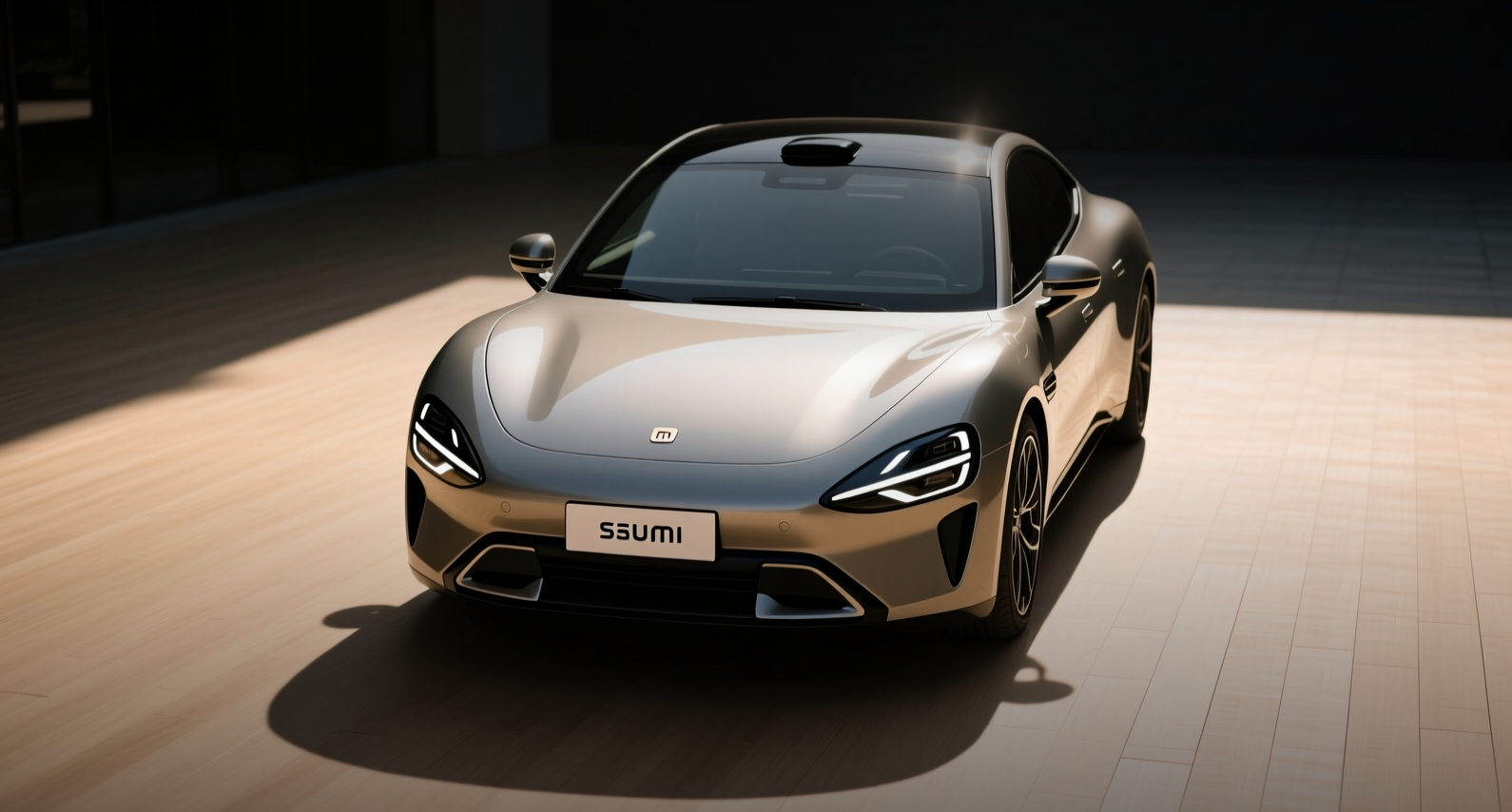
Xiaomi's electric vehicle deliveries exceeded 30,000 units for a third consecutive month in June, extending a recovery from the first-quarter slowdown and keeping the company on pace for its 550,000-unit annual goal.
"The sustained delivery pace shows the company is moving beyond its initial production ramp-up phase," Xiaomi EV said in a Weibo post on Tuesday, without disclosing a specific June figure. The company typically reports exact numbers through the China Passenger Car Association later in the month.
Cumulative deliveries for the first half reached nearly 180,000 units, based on earlier disclosures. The pace has been uneven: January spiked above 39,000 units as backlogged orders were fulfilled, while February and March slipped to a 20,000-to-25,000 band because of the Lunar New Year holiday and production line adjustments. Since April, volumes have held above 30,000, supported by gradual capacity releases for the refreshed SU7 at the company's second plant.
The delivery milestone comes as Xiaomi's EV business posted an operating loss of 3.1 billion yuan in the first quarter, making sustained volume growth critical to reaching profitability. The company's shares rose 5.64% to HKD 22.86 on Wednesday, with turnover reaching HKD 1.89 billion and short selling accounting for 36.12% of trading.
SU7 Remains Core as YU7 Lineup Expands
The SU7 series, priced between 215,900 yuan ($31,800) and 299,900 yuan ($44,100), remains the backbone of Xiaomi's EV portfolio, commanding a strong share of the pure-electric sedan market above 200,000 yuan. But the model faces mounting pressure: the SU7 delivered 24,023 units in May, down 14.24% year on year — the eighth consecutive monthly decline. The trend suggests the sedan is losing momentum as competition intensifies in China's crowded EV market, where BYD, Nio, and Xpeng all offer rival models in the same price bracket. BYD's Seal sedan, priced from 179,800 yuan, has been a direct competitor since its launch.
To broaden its addressable market, Xiaomi rolled out two new YU7 variants in late May. The entry-level YU7 SUV starts at 233,500 yuan ($34,380), while the high-performance YU7 GT, priced at 389,900 yuan ($57,410), delivers 990 horsepower and set a lap time of 7 minutes, 22.755 seconds at Germany's Nürburgring Nordschleife — the fastest production SUV on the track. Despite the expansion, the YU7 delivered 8,736 units in May, down 11.54% from April, marking the fifth consecutive monthly decline. The YU7 competes directly with Tesla's Model Y, China's best-selling SUV, which delivered roughly 40,000 units in May.
Extended-Range Push Targets Li Auto, Aito
Xiaomi is expanding beyond battery electric vehicles. A regulatory filing last month showed the company received approval to produce extended-range electric passenger vehicles at its Beijing plant. Earlier reports suggested Xiaomi may launch a second brand called Skynomad focused on the family extended-range SUV market, with the first model planned for the second half of the year. The move would put Xiaomi in direct competition with Li Auto and Huawei-backed Aito, which dominate China's extended-range SUV segment. Li Auto delivered 35,020 vehicles in May, while Aito's sales exceeded 30,000 units. The extended-range market has grown faster than pure EVs in China, with sales rising 42% year on year in the first five months of 2026.
The delivery trajectory suggests Xiaomi is transitioning from its brand launch phase into scaled operations. With the second plant adding capacity and new models arriving in the second half, volumes are expected to climb further. However, the company must sustain this momentum while narrowing its operating losses — a balance that will define its next phase of growth. The stock's 5.64% surge on Wednesday suggests investors are betting on the ramp-up, but the path to profitability remains uncertain.
This article is for informational purposes only and does not constitute investment advice.
