
Xi Jinping called for building the PLA into a world-class military by its 2027 centenary, pointing to sustained defense spending growth.
Xi Jinping called for building the PLA into a world-class military by its 2027 centenary, pointing to sustained defense spending growth.
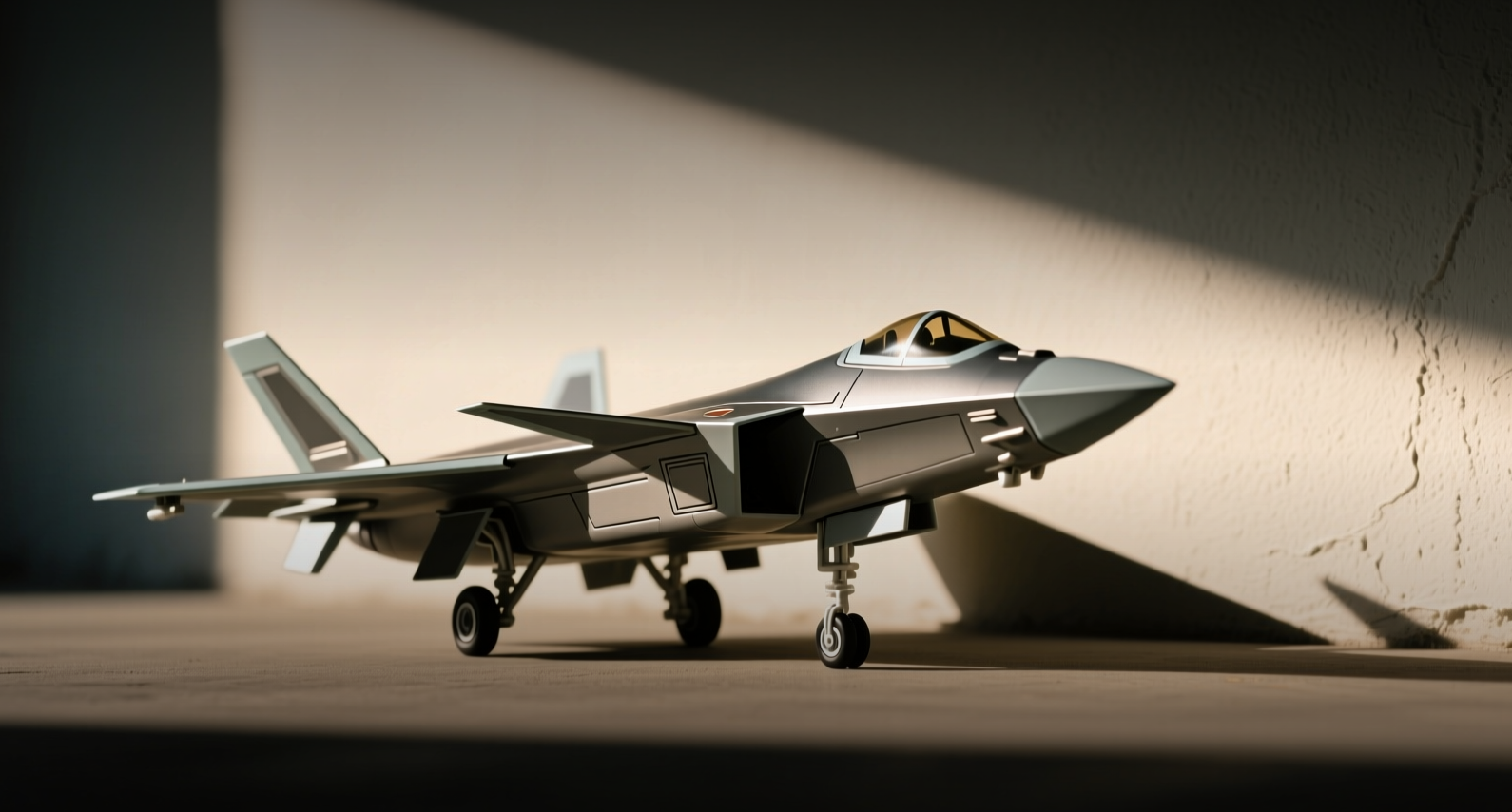
Xi Jinping called for building the People's Liberation Army into a world-class military by its 2027 centenary, a push pointing to sustained increases in China's defense spending and heightened geopolitical risk across the Indo-Pacific.
"A strong country must have a strong military; only a strong military can ensure national security," Xi, general secretary of the Communist Party of China Central Committee, said Wednesday at the Great Hall of the People during a ceremony marking the party's 105th founding anniversary.
China's defense budget reached 1.78 trillion yuan ($245 billion) in 2025, up 7.2 percent from a year earlier and marking the 11th consecutive year of growth above 6 percent, according to official budget documents. The military modernization drive encompasses political loyalty, technological innovation, legal reform and talent development, Xi said, as the PLA seeks to close capability gaps with the U.S. across domains including artificial intelligence, hypersonics and naval power projection.
The accelerated timeline to 2027 — the PLA's centenary — raises the stakes for Taiwan, where China has intensified military activities, and for regional defense budgets from Japan to Australia. Chinese defense contractors including Aviation Industry Corp. of China and China State Shipbuilding Corp. are expected to benefit from sustained procurement, while semiconductor supply chains face elevated geopolitical risk premiums.
The last time China issued a military modernization directive of this scale was in 2017, when Xi set the "two centenary goals" at the 19th Party Congress. Since then, China's defense spending has grown by an average of 7 percent annually, outpacing nominal GDP growth in four of the past five years, according to the Stockholm International Peace Research Institute. The 2027 target aligns with the PLA's founding centenary, creating a fixed deadline that defense analysts say compels accelerated procurement cycles across air, sea, space and cyber domains.
Hong Kong-listed defense names have rallied in recent sessions on expectations of higher military outlays. The Hang Seng defense sector index has gained 12 percent year-to-date, outperforming the broader HSI's 4 percent advance. On the A-share market, AVIC Shenyang and CSSC Offshore & Marine Engineering have each risen more than 15 percent in 2026, according to exchange data. The CSI National Defense index, which tracks 50 military-related stocks, has climbed 18 percent this year, its best first-half performance since 2020.
Defense Stocks Rally on Spending Outlook
Chinese defense contractors are positioning for a multiyear procurement cycle. AVIC, the country's primary combat aircraft manufacturer, reported a 14 percent rise in first-half net profit to 12.8 billion yuan, citing increased orders for the J-20 stealth fighter and transport aircraft. CSSC, the state-owned shipbuilding giant, saw order books swell to a record 320 billion yuan, driven by naval surface combatant and submarine contracts. China Aerospace Science and Industry Corp., the missile developer, has accelerated production of hypersonic weapons systems, according to its annual report.
Regional Defense Dynamics Shift
The military push also carries implications for global supply chains. Taiwan Semiconductor Manufacturing Co., which produces advanced chips used in defense applications, faces heightened scrutiny as China's military modernization accelerates. The U.S. has deepened semiconductor export controls targeting China's military AI capabilities, with the Commerce Department adding 140 Chinese entities to its entity list since 2024. The Pentagon's 2026 China Military Power Report, released in March, estimated that China's nuclear warhead stockpile could reach 1,000 by 2030, up from about 600 currently.
Japan has responded by boosting its own defense budget to a record 8.7 trillion yen ($58 billion) for fiscal 2026, while Australia committed A$54 billion ($36 billion) over the next decade under its integrated investment program. South Korea, the Philippines and Vietnam have also accelerated defense modernization plans, creating a regional arms procurement cycle that benefits U.S. and European defense contractors alongside domestic suppliers. The U.S. Indo-Pacific Command has requested $15 billion for its 2027 budget, a 12 percent increase, to fund force posture improvements across the region.
For investors, the key question is whether China can sustain defense spending growth above 7 percent as the economy slows. Nominal GDP growth slowed to 4.2 percent in the first quarter of 2026, the weakest since 2023 outside of pandemic periods, raising questions about fiscal capacity. China's defense budget as a share of GDP stands at about 1.3 percent, well below the U.S.'s 3.4 percent and the 2 percent NATO threshold, suggesting room for further increases if Beijing prioritizes military spending over other fiscal commitments.
This article is for informational purposes only and does not constitute investment advice.
