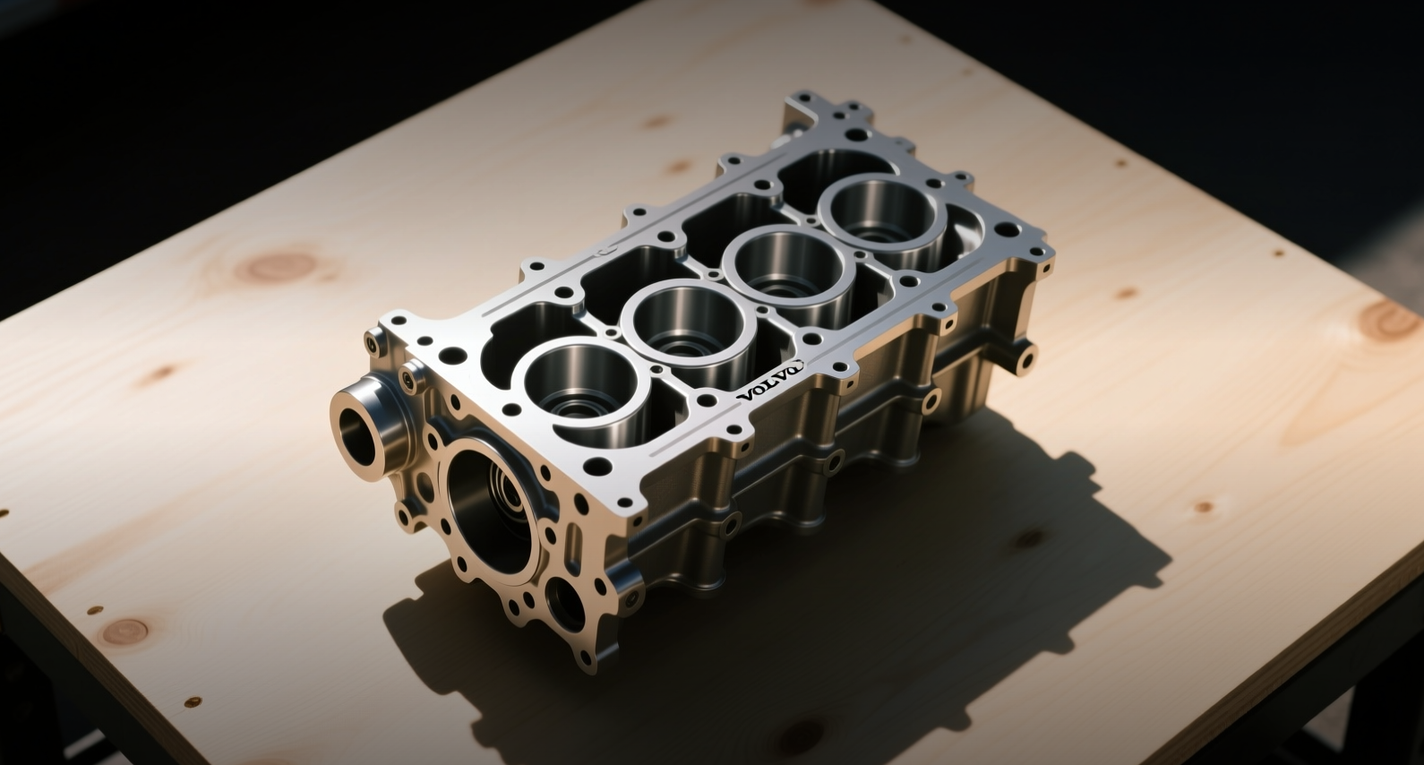
Cespira, the joint venture between Westport Fuel Systems and Volvo Group, signed a development agreement to commercialize hydrogen-powered heavy-duty trucks using high-pressure direct injection technology.
Westport Fuel Systems Inc. surged 10% after its Cespira joint venture with Volvo Group signed a development agreement to commercialize hydrogen-fueled 13-liter heavy-duty engines, targeting a European certified launch before 2030.
"Hydrogen HPDI is the next phase of our fuel system strategy, enabling fleets to reduce CO2 emissions with no trade-off in the performance they rely on," Carlos Gonzalez, President and CEO of Cespira, said.
The HPDI fuel system injects hydrogen at high pressure directly into internal combustion engines, delivering diesel-equivalent performance while tolerating a wider range of hydrogen purity than fuel-cell systems, which require hydrogen above 99.97% purity. Volvo trucks equipped with the technology are already in on-road testing, with commercial certification in Europe targeted before the end of the decade.
For Westport, which trades on both the TSX and Nasdaq, the agreement confirms a commercialization pathway for hydrogen internal combustion technology that competes with battery-electric and fuel-cell alternatives. The stock's 10% gain reflects investor optimism that the JV can capture a share of the heavy-duty truck market, where total cost of ownership remains the deciding factor for fleet operators.
Hydrogen ICE vs. Fuel Cells — The Cost Advantage
Cespira's HPDI system offers a practical edge over fuel cells: it can run on hydrogen of varying purity levels and can blend hydrogen with natural gas, giving fleet operators flexibility as hydrogen infrastructure develops. Fuel-cell systems require hydrogen purity above 99.97%, limiting fuel sourcing options and raising costs. In heavy-duty applications with sustained high load cycles, HPDI running on hydrogen achieves efficiency competitive with fuel cells, according to the company.
The technology builds on Cespira's existing HPDI platform, proven in LNG-powered heavy-duty engines. By extending the same 13-liter engine platform to hydrogen, Volvo can offer multiple fuel options — LNG, hydrogen, or blends — from a common architecture, reducing manufacturing complexity and cost.
What's at Stake for Westport and Volvo
The heavy-duty truck market represents roughly 3 million annual vehicle sales globally. Hydrogen internal combustion engines offer a lower-cost decarbonization path than battery-electric for long-haul applications, where battery weight and charging infrastructure remain barriers. Fuel-cell trucks carry higher system costs and stricter fuel purity requirements that limit supply options.
"This development project reflects Volvo Group's continued commitment to advancing low-carbon solutions for heavy-duty transport through multiple technology pathways," Mehdi Ferhan, Senior Vice President of Powertrain Technology at Volvo Group, said.
Westport shares, which had short interest of 4.7% of shares outstanding as of late May, saw the 10% surge on the news. The 28 days to cover suggests any sustained positive news flow could amplify upside moves as short sellers face pressure. The development agreement governs final integration and commercialization activities, with Volvo's 13-liter engine platform as the foundation for hydrogen, natural gas, and renewable fuel variants.
This article is for informational purposes only and does not constitute investment advice.