
The CBOE Volatility Index dropped 0.89 points to 16.79 on Monday, its lowest level in more than a week. The decline reflects easing market anxiety and could support further gains in US equities.
The CBOE Volatility Index dropped 0.89 points to 16.79 on Monday, its lowest level in more than a week. The decline reflects easing market anxiety and could support further gains in US equities.
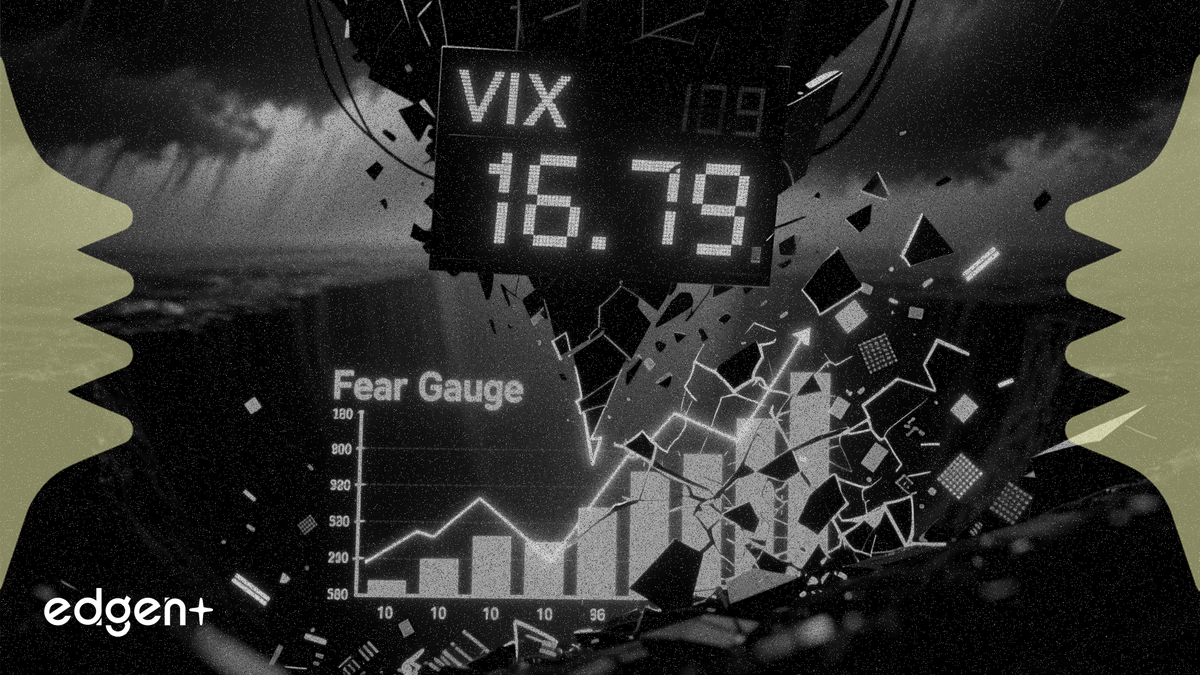
The CBOE Volatility Index fell 0.89 points to 16.79 on Monday, reaching its lowest level in more than a week as equity market anxiety continued to ease.
The decline reflects a retreat in hedging demand among institutional investors, according to CBOE data. A falling VIX typically correlates with rising equity prices and broader risk appetite across financial markets.
The move lower in the fear gauge could support further upside in major equity indices including the S&P 500 and the Nasdaq Composite. The VIX, often called Wall Street's fear gauge, measures implied volatility priced into S&P 500 index options and serves as a key barometer for institutional positioning.
Traders will watch whether the VIX can sustain below the 17 level, a threshold that has historically coincided with periods of low market stress and sustained equity rallies. The next major test for volatility levels will come with the Federal Reserve's upcoming policy decision and monthly employment data.
The decline in volatility also has implications across asset classes. Lower VIX readings tend to reduce demand for safe-haven assets including gold and the US dollar, while supporting carry trades in emerging market currencies. In credit markets, a calmer volatility backdrop typically narrows credit spreads, lowering borrowing costs for corporate issuers.
This article is for informational purposes only and does not constitute investment advice.
