A nuclear startup and the world's largest AI chipmaker demonstrated the first microreactor-powered data center, aiming to solve AI's growing water and energy problem.
Valar Atomics and Nvidia demonstrated the first nuclear-powered AI data center in Utah, using a helium-cooled microreactor to run Nvidia's Blackwell chips while cutting facility water consumption to near zero.
"Through this work with Valar Atomics, Nvidia is exploring how behind-the-meter, waterless advanced nuclear systems could support future AI factories built for the scale and reliability accelerated computing requires," John Josephakis, a global vice president at Nvidia, said.
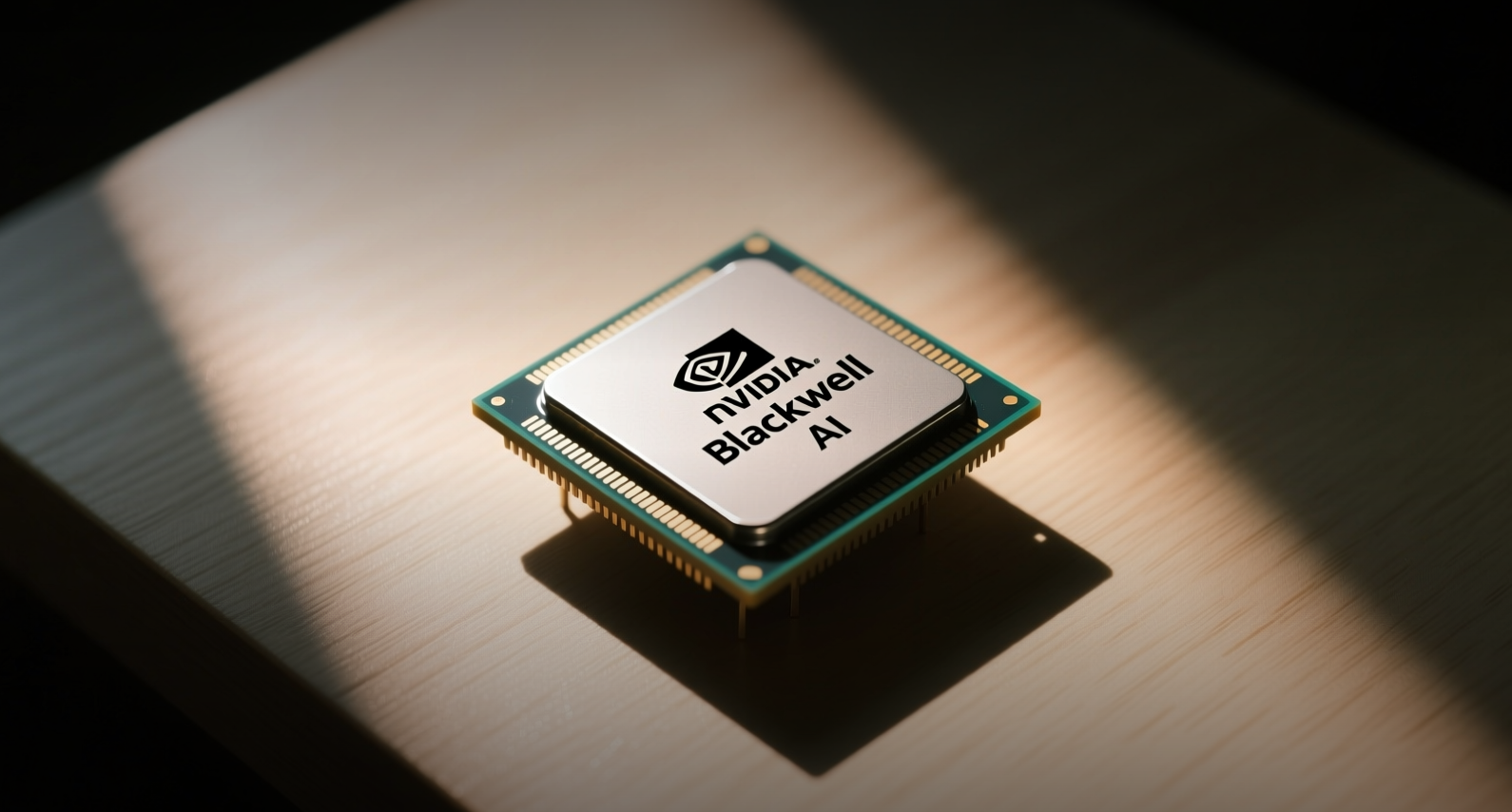
The demonstration paired Valar's high-temperature gas-cooled reactor with Nvidia's Blackwell architecture, the company's latest AI chip platform. Nvidia's DSX data center design uses closed-loop liquid cooling that reduces water consumption from roughly 2.6 million gallons per megawatt per year to near zero, the company said last week. Valar is among about 10 nuclear startups in a Department of Energy pilot program that set a goal of demonstrating three small reactors reaching criticality by July 4.
The partnership comes as data center power demand surges alongside AI adoption, with a Reuters/Ipsos poll last month showing only one in three Americans approve of the current pace of data center construction. President Donald Trump's administration has issued executive orders aimed at quadrupling nuclear deployment, viewing small reactors as a solution to expanding power generation for AI infrastructure.
Valar's microreactor uses helium instead of water for cooling, a design that eliminates one of the biggest environmental concerns around data centers: water consumption for thermal management. The company's founder, Isaiah Taylor, said the startup is trying to show that nuclear projects can move quickly despite long regulatory hurdles. Valar joined litigation against the Nuclear Regulatory Commission last year alongside Texas and Utah, arguing the agency lacks licensing authority over some microreactors and that oversight should shift to individual states.
The nuclear industry has struggled for decades with cost overruns and construction delays, but a new generation of startups is betting that smaller, factory-built reactors can avoid those problems. Valar's approach — pairing a microreactor directly with a data center as a behind-the-meter power source — allows the facility to bypass grid interconnection queues and some permitting processes that have slowed utility-scale projects.
For Nvidia, whose data center revenue has surged alongside AI adoption, securing reliable, low-cost power for its customers' facilities is becoming a competitive differentiator. Natural gas has been the primary behind-the-meter choice for data center operators, but nuclear offers a carbon-free alternative with stable fuel costs. Nvidia's willingness to test nuclear power shows it sees energy constraints as a potential bottleneck to future AI infrastructure growth.
This article is for informational purposes only and does not constitute investment advice.