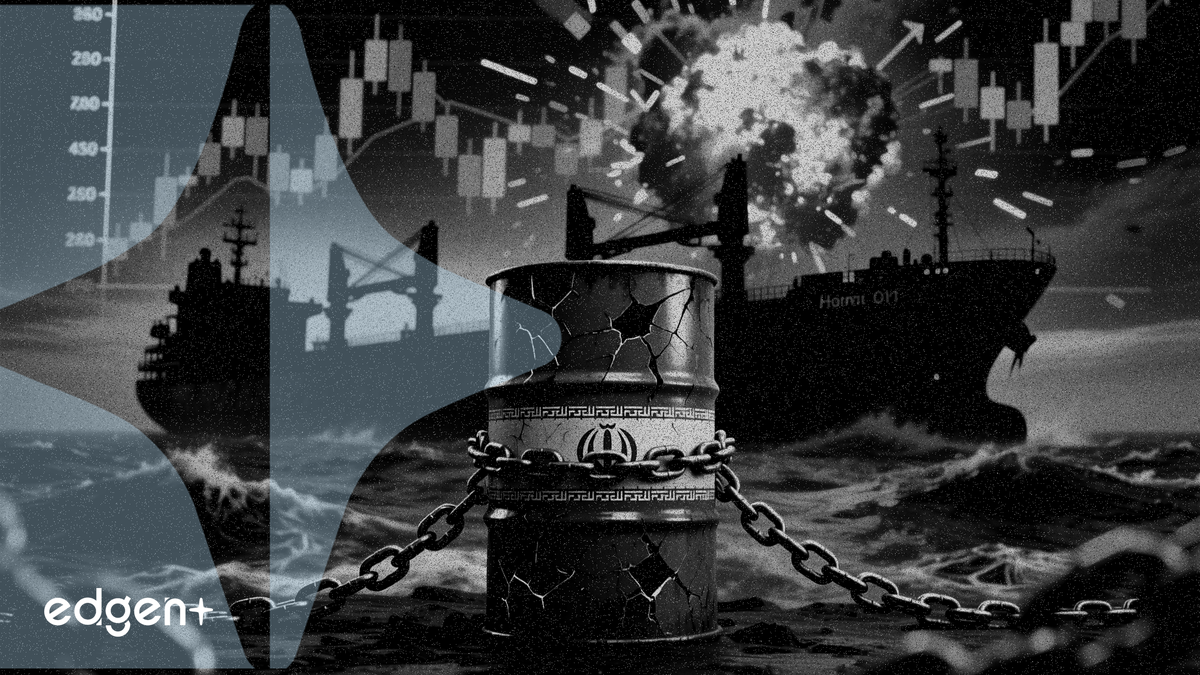
United States Treasury Secretary Scott Bessent on Monday called on G7 finance ministers to enforce a stricter sanctions regime against Iran, aiming to sever funding for Tehran’s “war machine” as the conflict roils global energy markets. The push comes just two days after the White House allowed a key sanctions waiver on Russian oil to expire, signaling a complex and potentially contradictory strategy for managing global energy security.
"We are calling on all of our G-7 member states, all of our allies, and the rest of the world to adhere to the sanctions regime so that we can crack down on the illicit financial activity that funds Iran's war machine," Bessent said in Paris ahead of the meeting.
The call for a united front follows a sharp escalation in regional tensions, including a recent drone attack on the United Arab Emirates' Barakah Nuclear Power Plant, which the UAE said originated from its western border. While the attack caused no radiological impact, it drew widespread condemnation from regional allies and prompted the International Atomic Energy Agency to express "grave concern." The incident occurred as negotiations between the US and Iran to end the war have reportedly stalled, with Iranian media claiming Washington has offered no tangible concessions.
At stake is the stability of global energy supply, with Iran threatening to assert greater control over the Strait of Hormuz, a chokepoint for 21 percent of the world's oil trade. Analysts warn that a closure of the strait could cause a severe energy price spike, a risk highlighted by Elara Securities, which noted a 20 percent chance of a US Federal Reserve rate hike if such a disruption occurs. The administration's dual approach—tightening the screws on Iran while simultaneously ending a waiver that cushioned the impact of Russian oil sanctions—creates significant uncertainty for energy-importing nations.
A Two-Front Economic Strategy
Washington's renewed focus on Iran's financing coincides with a delicate shift in its policy toward Russia. On May 16, the Treasury Department allowed General License 134B, a waiver that permitted continued purchases of Russian seaborne oil, to expire. The waiver was initially justified as a measure to prevent an energy price shock during the Middle East conflict.
However, the policy drew criticism from lawmakers who argued it provided a financial lifeline to Moscow. "Treasury must finally end its ill-conceived policy of helping Russia make even more money," Democratic Senators Jeanne Shaheen and Elizabeth Warren said in a statement. The expiration of the waiver tightens restrictions on Moscow but removes a key pressure-release valve for the global oil market, complicating the potential impact of any new sanctions on Iran.
Region on Edge
The G7 discussions are taking place against a backdrop of heightened military alerts and diplomatic maneuvering. The UAE reported intercepting three drones on May 17, with one striking an electrical generator at the Barakah plant. In response, Saudi Arabia, Kuwait, Bahrain, and Egypt issued statements of solidarity with the UAE, condemning the attack as a threat to regional security.
Meanwhile, Iran has signaled a more aggressive posture. First Vice President Mohammad Reza Aref stated Tehran would no longer permit "enemy" military equipment to pass through the Strait of Hormuz. This rhetoric, combined with stalled peace talks and a warning from US President Donald Trump that "there won't be anything left of them" if a deal is not reached, points to a volatile period ahead. Sanctions expert Brett Erickson of Obsidian Risk Advisors noted Washington faces a "collision between ethics and crisis," forced to choose between its geopolitical goals and preventing a major energy disruption.
This article is for informational purposes only and does not constitute investment advice.