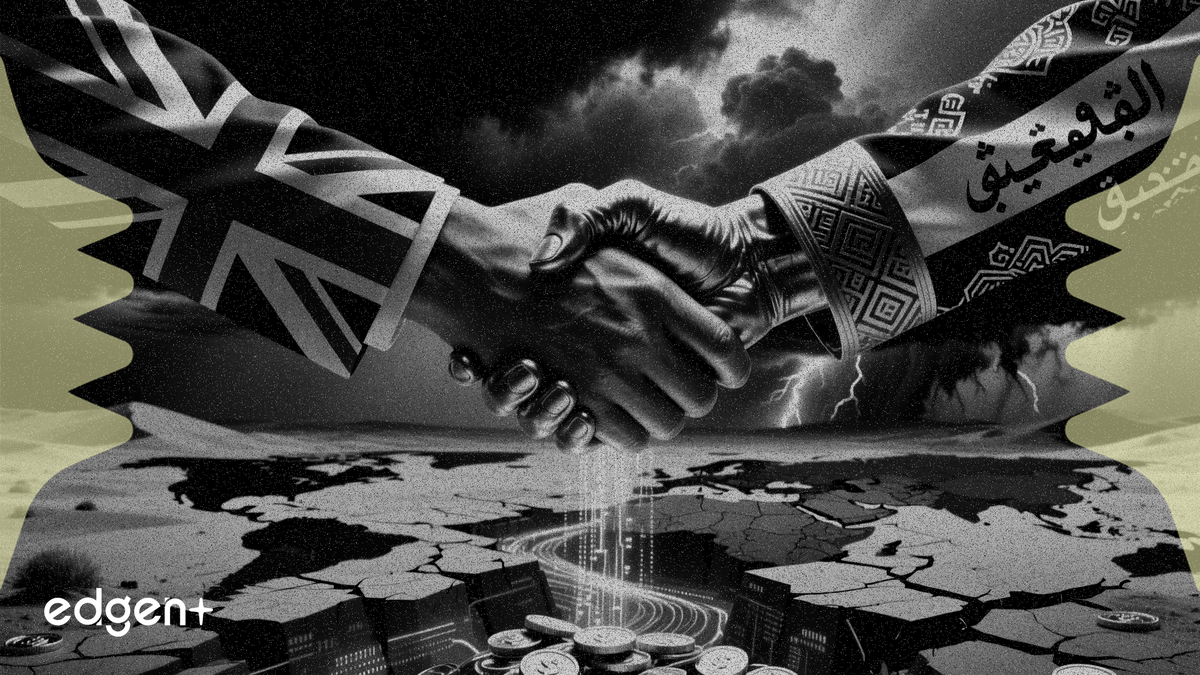
The UK finalized a trade agreement with the Gulf Cooperation Council projected to boost the British economy by £3.7 billion ($4.96 billion) annually, providing a significant economic anchor in a region strained by recent conflict.
"At a time of increased instability, today's announcement sends a clear signal of confidence - giving UK exporters the certainty they need to plan ahead," Britain's Trade Minister Peter Kyle said.
The deal removes 93% of GCC tariffs on British goods, with two-thirds eliminated immediately upon implementation. The government said sectors including autos, aerospace, and food and drink would benefit, with tariffs on products like cereals, cheese, and chocolate being removed entirely. The agreement is estimated to eliminate duties worth £580 million a year on UK goods once fully implemented.
The deal aims to secure market access and foster investment stability as the GCC—comprising Bahrain, Kuwait, Oman, Qatar, Saudi Arabia, and the UAE—navigates the economic fallout from the recent U.S.-Israeli-Iranian conflict. For the UK, it represents a key post-Brexit strategic move to deepen non-EU trade relationships and support its high-growth sectors, from advanced manufacturing to financial services.
Sector-Specific Gains
The agreement provides a significant boost to UK manufacturers and service providers. Tariffs will be eliminated on UK-made automotives, which currently face a 5% duty, a sector that exported £1.4 billion to GCC countries in 2025. Food and drink exporters will also see duties removed on products like salmon, biscuits, and lamb.
On services, the deal locks in current market access, providing certainty for British firms in finance, law, and architecture to expand without new barriers. For the first time, the GCC has agreed to provisions prohibiting unjustified data localization requirements, a key benefit for UK tech and financial firms that can now avoid the cost of establishing local data centers.
Investment and Geopolitical Context
The agreement includes an investor protection chapter, extending provisions to all GCC states and including an Investor-State Dispute Settlement (ISDS) mechanism. This is designed to give investors greater confidence for long-term projects in each other's territories. Total investment assets and liabilities between the UK and Gulf Arabian countries stood at approximately £485 billion at the end of 2024.
The deal was secured as the region grapples with the aftershocks of U.S.-Israeli strikes against Iran in February. While some Gulf nations like Qatar and Saudi Arabia were involved in diplomatic efforts to stave off wider conflict, the instability has strained regional energy and food supplies, making stable trade partnerships more critical.
This article is for informational purposes only and does not constitute investment advice.