


Uber, Lucid and Nuro will bring a premium robotaxi service to Houston by mid-2027, challenging Waymo and Tesla in the autonomous driving race.
Uber, Lucid and Nuro will bring a premium robotaxi service to Houston by mid-2027, challenging Waymo and Tesla in the autonomous driving race.
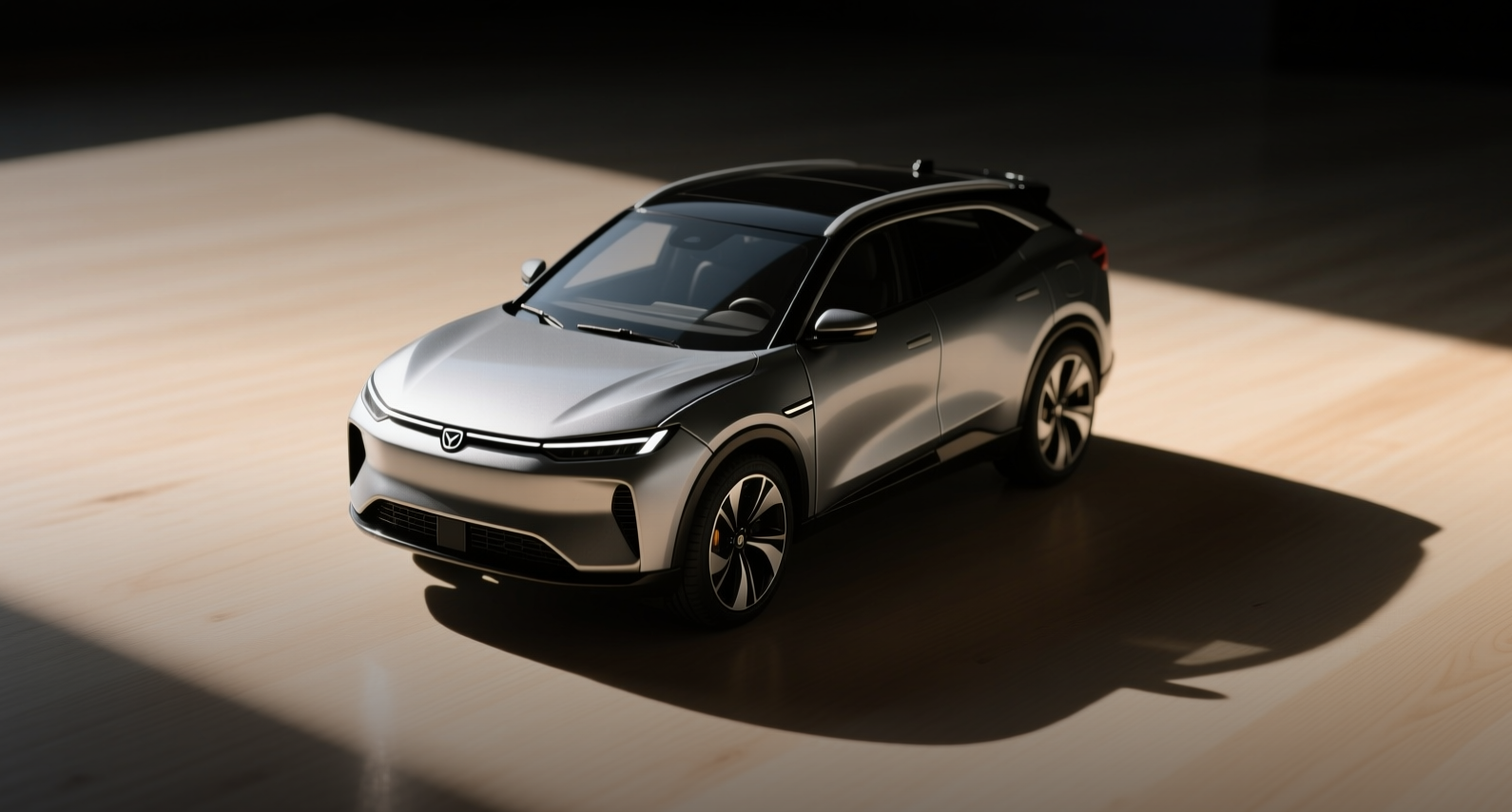
Uber, Lucid and Nuro will bring a premium robotaxi service to Houston by mid-2027, challenging Waymo and Tesla in the autonomous driving race.
Uber plans to launch a premium robotaxi service in Houston by mid-2027, making it the second U.S. market for the ride-hailing giant's autonomous driving push backed by $1 billion in combined investments in Lucid and Nuro. The service will use Lucid Gravity SUVs equipped with Nuro's self-driving system, going head-to-head with Waymo, which already operates commercial robotaxis in both Houston and San Francisco.
"Uber's multi-partner strategy allows it to scale faster than vertically integrated competitors," said an analyst tracking the autonomous vehicle sector. The company has committed to invest $500 million in Lucid and purchase a minimum of 35,000 robotaxi-ready vehicles, while also investing about $500 million in Nuro, as first reported by TechCrunch in May.
The Lucid Gravity robotaxi, unveiled in January, is outfitted with high-resolution cameras, solid-state lidar sensors and radars. Nuro has spent months testing the vehicles in San Francisco and received a permit from the California Department of Motor Vehicles last month that would allow it to remove the safety driver. A combined engineering fleet of 100 autonomous vehicles is testing on public roads in Houston with safety operators behind the wheel, with plans to expand as Lucid begins manufacturing the first production versions at its Arizona factory.
Why Houston became the next robotaxi battleground
Houston has emerged as a key testing ground for autonomous vehicle operators. Waymo already runs a commercial service there, and Tesla has signaled ambitions to launch its own robotaxi network. Uber is expanding its physical footprint in the city with a 50,000-square-foot depot and dedicated charging pitstop that will serve as its operations hub. The company said it plans to eventually take the robotaxi program to "dozens of cities."
The partnership marks a strategic pivot for Nuro, which shifted in 2024 from building its own delivery robots to licensing its self-driving technology to automakers and partners. For Lucid, the deal provides a volume commitment that could help the EV maker scale production at its Arizona factory, where it has struggled to compete with Tesla in the electric vehicle market. Lucid delivered about 10,000 vehicles in 2025, a fraction of Tesla's more than 1.8 million.
Investment implications for Uber, Lucid and Nuro
Uber shares stand to benefit from the autonomous driving narrative as the company positions itself as a platform for multiple self-driving partners rather than building its own technology in-house. The strategy mirrors its approach to food delivery and freight, where Uber provides the marketplace and logistics while partners supply the underlying technology. Waymo remains the market leader with the most commercial robotaxi miles, but Uber's distribution advantage — with millions of existing riders across its network — could help it close the gap quickly.
For Lucid, the 35,000-vehicle commitment from Uber represents a potential step-change in production volume. The EV maker's market capitalization of about $8 billion reflects investor skepticism about its ability to scale, but the Uber deal provides a guaranteed buyer for its vehicles. Nuro, which raised about $2.1 billion in total funding before its pivot, now has a path to revenue through licensing fees rather than the capital-intensive business of manufacturing its own hardware.
The San Francisco launch later this year will serve as the first real-world test of the partnership's technology and operational readiness. If successful, the Houston expansion in 2027 could accelerate Uber's timeline for additional markets and put pressure on Waymo's first-mover advantage in the U.S. robotaxi market.
This article is for informational purposes only and does not constitute investment advice.
