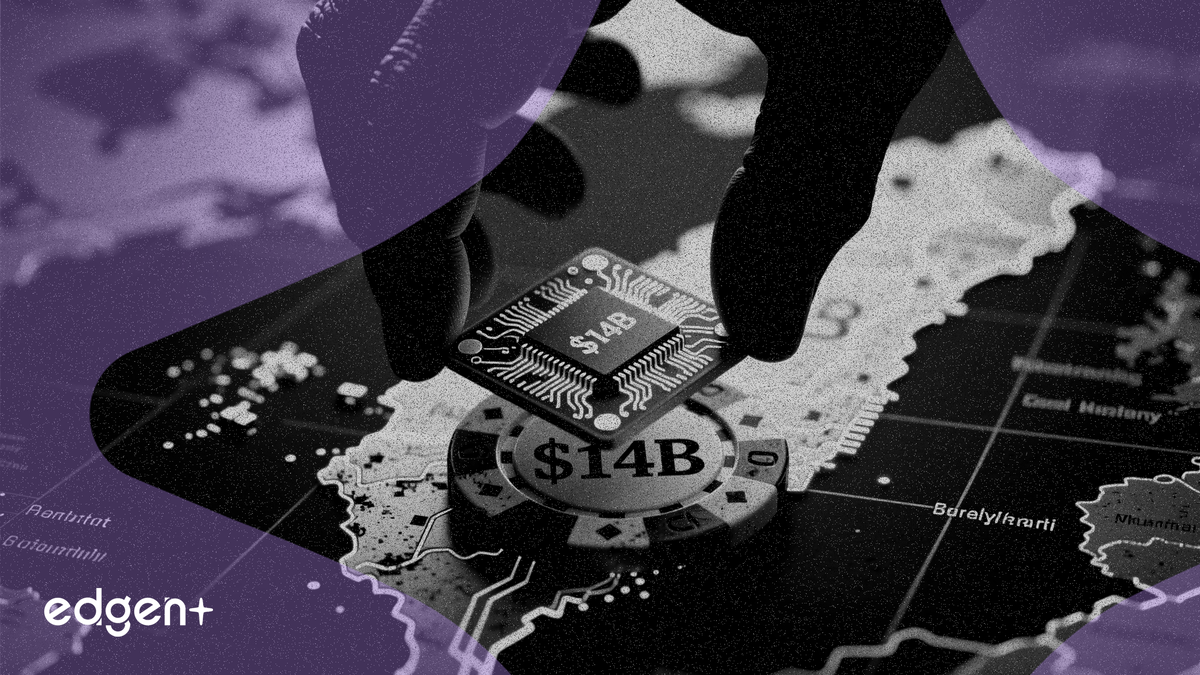
A shift in U.S. policy could dramatically increase the geopolitical risk for TSMC and the entire semiconductor industry, potentially causing a sell-off in related stocks.
(24/7 Wall St.) – The recent U.S.-China summit produced a diplomatic thaw but left investors in Taiwan Semiconductor Manufacturing Co. (NYSE: TSM) with a fresh dose of geopolitical uncertainty after President Donald Trump suggested a $14 billion arms package for Taiwan could be a “negotiating chip.” The comment, coupled with Chinese leader Xi Jinping’s warning of a potential “clash” over Taiwan, has recalibrated the risk assessment for the world’s most critical chipmaker.
The remarks signaled a potential departure from decades of U.S. policy, where arms sales to Taiwan were not officially contingent on Beijing’s approval. “For decades, Washington has maintained that it doesn’t consult with Beijing on the size, timing, or contents of arms sales provided to Taiwan for its self-defense,” Patricia Kim, a senior fellow at the Brookings Institution’s China Center, said. She noted Trump’s comments show “greater sympathy for Beijing’s narrative that Taiwan’s actions are the primary driver of instability.”
Despite the diplomatic engagement, which some analysts read as a de-escalation, TSMC’s stock registered the immediate jitters, falling 7% in the days following the summit to trade near $396 per share. The drop came even as the company’s shares remain up 32.2% year-to-date, buoyed by surging AI-driven demand from clients like Nvidia and Apple. The foundry holds a commanding 70% of the global market, according to TrendForce data from 2025.
For investors, the episode sharpens the central conflict in the TSMC thesis. The company is an indispensable node in the global technology supply chain, particularly for the advanced AI chips powering the current market boom. Yet its most advanced facilities lie just 100 miles from mainland China, placing it at the center of a geopolitical struggle whose risks were just put on fresh display.
The Arizona Hedge
To mitigate its geographic risk, TSMC is making a colossal bet on U.S. soil. The company has committed $165 billion to a new complex in Arizona, the largest foreign direct investment for a greenfield U.S. project in history. The investment, which the board recently augmented with an additional $20 billion in capital, will fund six fabrication plants (fabs), advanced packaging facilities, and an R&D center. The first of these fabs is already producing chips for Apple and Nvidia, creating a crucial, though still small, alternative to its Taiwan operations. This expansion is directly linked to a U.S. trade framework that tied tariffs to these domestic manufacturing commitments.
Investor Calculus Shifts
The summit’s aftermath leaves both bulls and bears with fresh ammunition. Bulls point to TSMC’s unassailable market leadership, structural AI demand, and the fact that U.S. policy is actively supporting its diversification with projects like the Arizona plant. Arthur Kroeber, head of research at Gavekal, suggested that with both leaders signaling they "don't want anything to happen through the end of the Trump term," investors with a three-year horizon could be "blasé about the risk."
Bears, however, received a stark reminder that Taiwan’s unresolved status remains a potent and unpredictable variable. While the probability of a near-term invasion is seen as low—Polymarket traders put the odds at just 7.45% by year-end 2026—the summit’s rhetoric introduces new forms of risk. A potential U.S. policy shift, where Taiwan’s defense becomes a bargaining chip, could fundamentally alter the investment landscape without a single shot fired. For now, the analyst consensus price target of $467.84 reflects optimism, but the geopolitical discount on TSMC stock may see a new premium.
This article is for informational purposes only and does not constitute investment advice.