
Tesla is tripling its capital expenditure to more than $25 billion for 2026, a massive bet on a Robotaxi future that the company admits will not generate significant revenue this year.
Tesla is tripling its capital expenditure to more than $25 billion for 2026, a massive bet on a Robotaxi future that the company admits will not generate significant revenue this year.
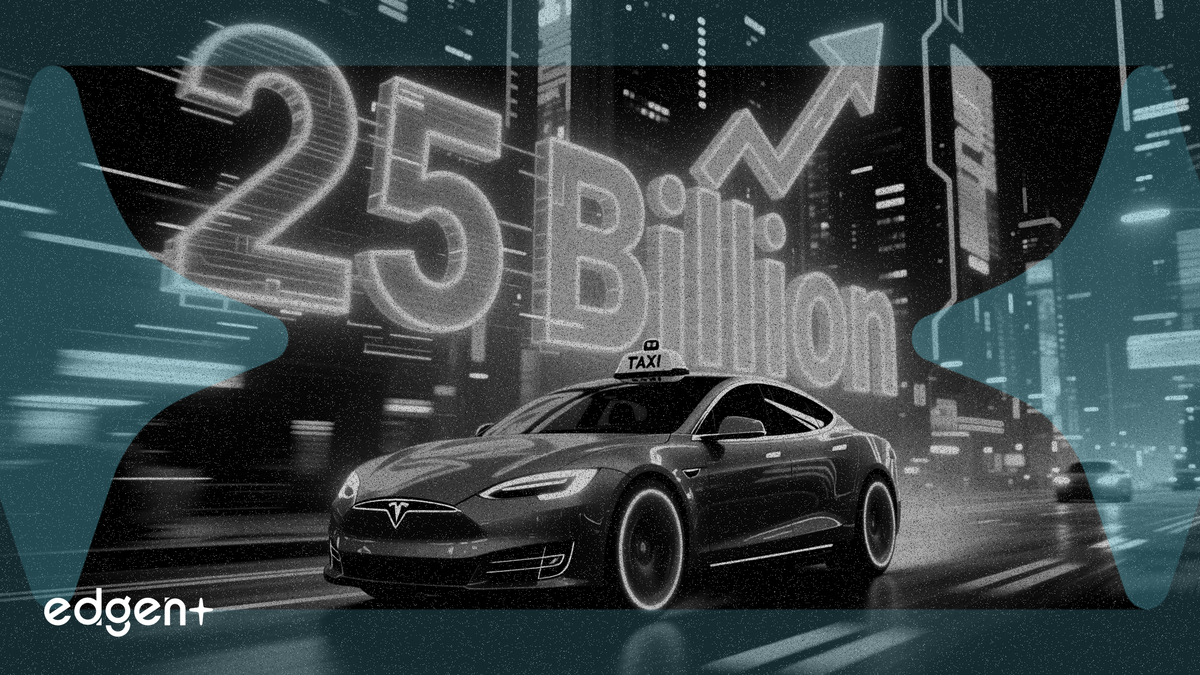
Tesla is tripling its capital expenditure to more than $25 billion for 2026, a massive bet on a Robotaxi future that the company admits will not generate significant revenue this year.
The electric vehicle maker’s aggressive spending plan, a nearly threefold increase from 2025, signals its commitment to dominating the autonomous vehicle market. The move comes as CEO Elon Musk pushes to accelerate the company's artificial intelligence and manufacturing capabilities, even as it faces regulatory hurdles and technical glitches with its Full Self-Driving (FSD) software, particularly in the critical Chinese market.
"The sheer scale of this investment underscores the high-stakes race for autonomous dominance," a market analyst familiar with EV sector spending said. "Tesla is betting its near-term financial health on a long-term, winner-take-all market that could be worth trillions."
The spending surge is earmarked for new vehicle programs, expanding production capacity, and, most critically, the build-out of AI infrastructure, including data centers and the Dojo supercomputer. This capital injection is designed to support the eventual launch of a fully autonomous Robotaxi network, a concept central to Tesla's long-term valuation narrative which bulls believe could address a $10 trillion market.
However, the massive cash outlay presents a significant risk. Tesla management has conceded that Robotaxi is not expected to be a meaningful revenue contributor in 2026, putting the focus on the company's ability to execute on its ambitious timeline while navigating a complex global market. Recent reports indicate Tesla is facing delays in securing approval for FSD in China and is working through software glitches, highlighting the operational and regulatory challenges ahead.
Tesla's $25 billion commitment is a clear declaration of its strategy: pour capital into solving full autonomy before competitors can catch up. This level of spending is reminiscent of the AI infrastructure boom seen across Big Tech, where companies like Nvidia and their partners are driving a rally based on future AI demand. For Tesla, the goal is to create an insurmountable lead in real-world driving data and AI training capacity.
The bull case rests on the successful execution of this vision. If Tesla can deliver a safe, reliable Robotaxi service, it could fundamentally reshape urban transportation and unlock a recurring revenue stream with high profit margins, justifying the immense upfront cost. This potential has been a cornerstone of the company's premium valuation for years.
Conversely, the bear case centers on the timing and feasibility of this vision. A threefold increase in capital expenditure without near-term revenue to offset it puts immense pressure on Tesla's financials. The company's stock, which sources suggest is fairly valued at current levels, could face volatility as investors weigh the long-term promise against the short-term cash burn.
The challenges are not just financial. The push for FSD in China, a key growth market, is fraught with regulatory uncertainty. Musk's recent efforts in Beijing to clear the path for FSD deployment underscore the importance of the region and the hurdles that remain. Any significant delays or failures in the Robotaxi program could lead investors to question the wisdom of such aggressive spending, potentially re-rating the stock based on its core EV manufacturing business alone.
For now, investors are left to weigh a bold, long-term vision against a backdrop of significant execution risk and a delayed payoff. The next 12 to 18 months will be critical, as the market looks for tangible progress on the Robotaxi front to justify the $25 billion price tag.
This article is for informational purposes only and does not constitute investment advice.
