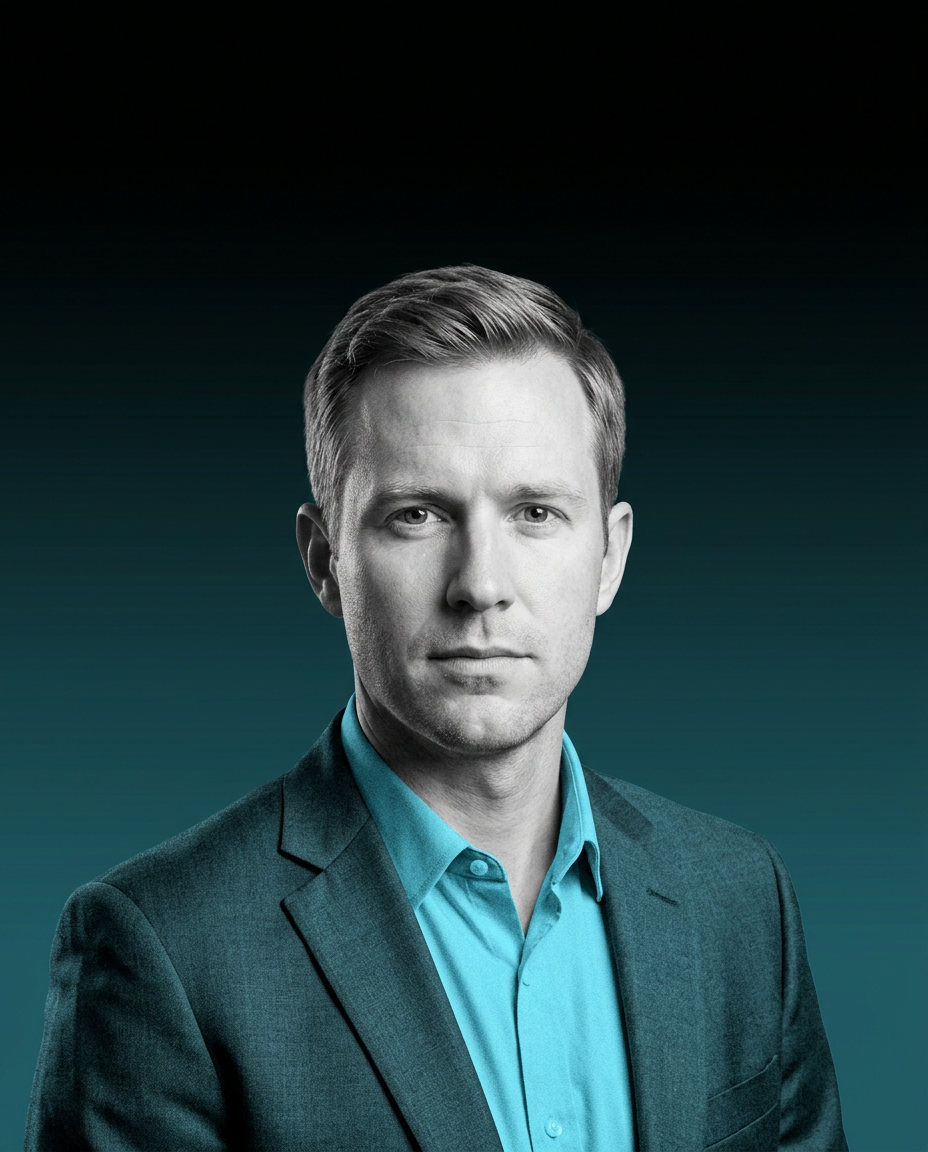

**Wedbush analyst Dan Ives puts the probability of a Tesla-SpaceX merger within the next year at 80%, yet structural and valuation challenges suggest the deal is far from certain.
**Wedbush analyst Dan Ives puts the probability of a Tesla-SpaceX merger within the next year at 80%, yet structural and valuation challenges suggest the deal is far from certain.
Wedbush analyst Dan Ives puts the probability of a Tesla-SpaceX merger within the next year at 80%, yet structural and valuation challenges suggest the deal is far from certain.
SpaceX's historic $85.7 billion initial public offering two weeks ago has reignited speculation that Elon Musk will merge his aerospace company with Tesla, creating a vertically integrated powerhouse valued at more than $2.4 trillion.
"There's no question that there are synergies between Tesla and SpaceX in our futures," Gwynne Shotwell, president of SpaceX, told CNBC on June 12, adding that a merger "might make Elon's life a little easier."
Wedbush Securities analyst Dan Ives, who has treated the combination as a foregone conclusion, assigns an 80% probability to a deal within 12 months. SpaceX's own pre-IPO S-1 filing listed merger execution and integration as a possible future risk, and the company has already consolidated Musk's xAI venture with the social media platform X into a single entity earlier this year.
A Tesla-SpaceX merger would reshape two industries simultaneously — combining Tesla's automotive and battery manufacturing with SpaceX's Starlink satellite network, Starship rocket program, and growing artificial intelligence capabilities. But prediction markets on Kalshi show far less conviction than Ives, and the sheer scale of the combined entity — SpaceX alone carries a market capitalization of roughly $2.4 trillion — raises questions about regulatory approval, shareholder dilution, and integration complexity.
The Case for a Deal
The logic behind a merger rests on technological convergence. SpaceX's Starlink network, with more than 5 million subscribers globally, could integrate with Tesla's vehicle connectivity and autonomous driving systems. SpaceX's AI capabilities, bolstered by the xAI acquisition, overlap with Tesla's work on full self-driving and robotics. Musk, who controls 85.1% of SpaceX's voting power and a significant stake in Tesla, would face fewer governance hurdles than a typical cross-company merger.
SpaceX President Shotwell's public acknowledgment of potential benefits, combined with Ives' aggressive timeline, has fueled investor speculation. SpaceX shares, which debuted June 12 at $150 on the Nasdaq, surged as high as $205 before settling at $154.60 as of Monday — still above the $135 IPO price but well off the initial pop. The IPO created an estimated 4,400 millionaires among SpaceX employees, according to the New York Times.
The Hurdles Investors Overlook
Despite the enthusiasm, several obstacles stand in the way. Prediction markets on Kalshi reflect significantly lower confidence than Ives' 80% estimate, suggesting the crowd sees a deal as possible but not imminent. The valuation mismatch poses a structural challenge: SpaceX lost $4.9 billion on $18 billion in revenue in 2025, while Tesla's automotive business generates positive free cash flow. Combining a high-growth, capital-intensive aerospace company with a mature automaker could dilute Tesla's margins and complicate its investment narrative.
Regulatory scrutiny also looms. A merger of this size — potentially exceeding $2.4 trillion in combined market value — would face antitrust review in multiple jurisdictions. The Federal Trade Commission under the current administration has taken an aggressive stance on large technology combinations, and Democratic lawmakers including California Representative Ro Khanna have called for investigations into Musk's expanding influence across government and private sectors.
The last time Musk attempted a major consolidation — the $44 billion acquisition of Twitter in 2022 — the process was marked by litigation, employee departures, and a subsequent valuation decline before the platform was folded into xAI. Investors who remember that episode may question whether a Tesla-SpaceX merger would follow a smoother path.
For now, the most likely scenario is continued operational collaboration rather than a full merger. Shotwell's comment that a deal "might" make life easier stops well short of a commitment, and SpaceX's S-1 language about future mergers is standard boilerplate for a company of its size. The market appears to be pricing in optionality rather than certainty — and that may be the most rational position of all.
This article is for informational purposes only and does not constitute investment advice.
