

Tesla sold 77% more vehicles in Europe during the first five months of 2026, outpacing the broader market by nearly 20 times, even as its 11,509 Bitcoin treasury lost over $220 million in unrealized value during a crypto selloff.
Tesla sold 77% more vehicles in Europe during the first five months of 2026, outpacing the broader market by nearly 20 times, even as its 11,509 Bitcoin treasury lost over $220 million in unrealized value during a crypto selloff.
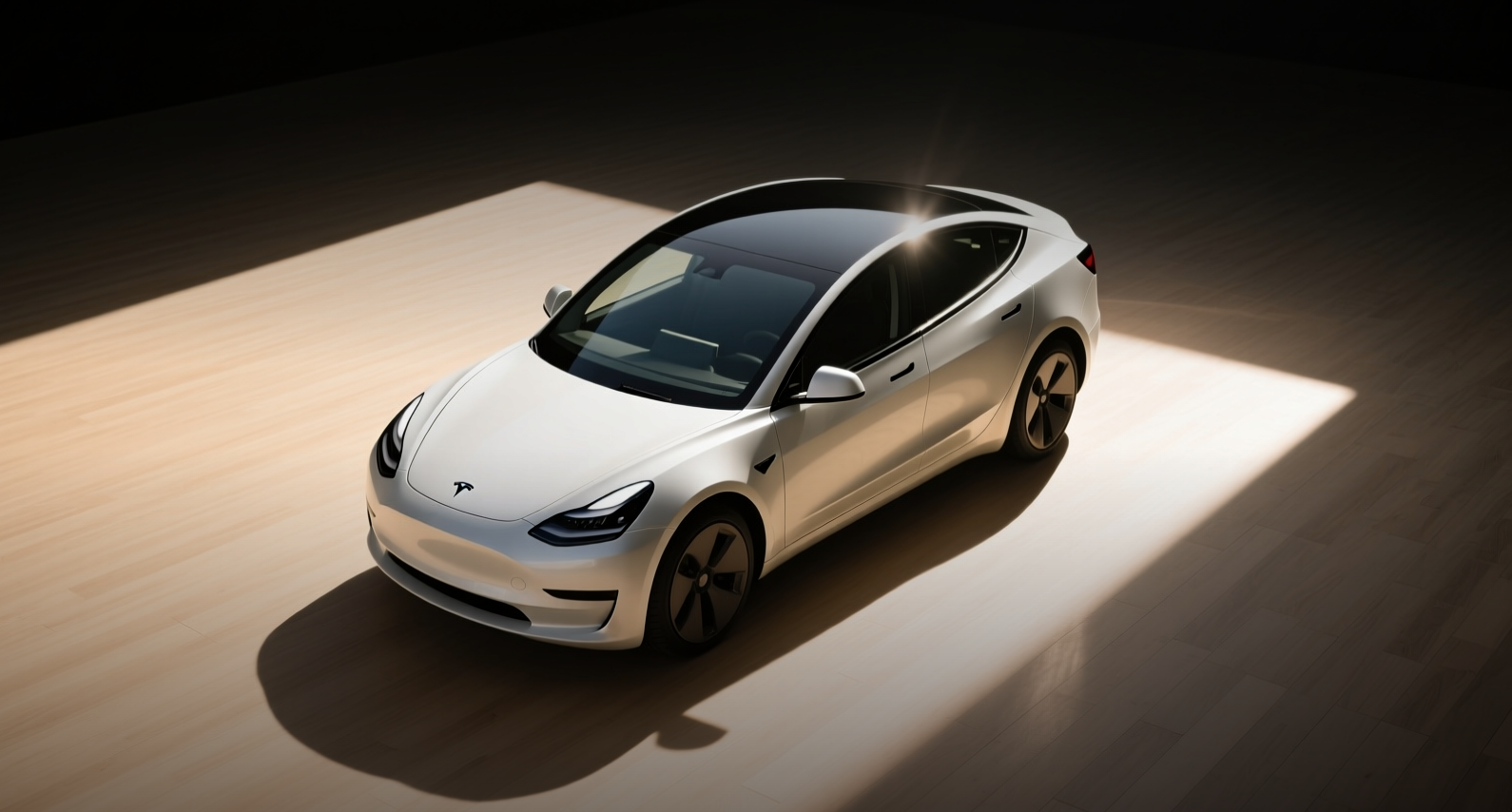
Tesla sold 77% more vehicles in Europe during the first five months of 2026, outpacing the broader market by nearly 20 times, even as its 11,509 Bitcoin treasury lost over $220 million in unrealized value during a crypto selloff.
Tesla sold 77% more vehicles across the European Union in the first five months of 2026 versus the same period last year, according to the European Automobile Manufacturers' Association. The broader EU new-car market grew just 4%, meaning Tesla outpaced the industry by nearly 20 times.
"May alone accounted for 22,000 units sold across Europe," the ACEA data show. The rebound follows more than a year of declining sales through much of 2025 and comes as battery-electric vehicles now represent roughly 20% of total EU market share.
The European strength adds to positive signals from China, where Tesla's locally made vehicle sales rose 36% year-over-year in April to 79,478 units, marking a sixth consecutive monthly increase. Globally, Tesla delivered 358,023 vehicles in the first quarter of 2026, up 6.3% from 336,681 a year earlier but below Wall Street consensus of about 365,645. The company produced 408,386 vehicles during the period, resulting in a roughly 50,000-unit inventory buildup. Model 3 and Model Y vehicles accounted for 341,893 of total deliveries, while other models including the Cybertruck contributed 16,130.
The sales momentum provides a fundamental cushion for Tesla's unique balance sheet, which carries 11,509 Bitcoin worth about $800 million at current prices. A recent crypto selloff wiped out over $220 million in unrealized value from that position. Tesla first bought Bitcoin in early 2021 and briefly accepted it as payment before reversing that decision. The company sold a significant portion of its holdings in 2022 and has kept the remaining position static since.
A Hybrid Balance Sheet in a Volatile Market
Tesla remains one of the largest publicly traded companies with a meaningful Bitcoin position. The 11,509 BTC holding has remained unchanged through recent quarters, meaning the company has neither added to nor reduced its crypto exposure during a period when Bitcoin fell about 47% from its October 2025 peak near $124,720 to below $60,000 by mid-June 2026.
For most automakers, digital asset exposure is not a factor in quarterly reporting. Tesla's hybrid balance sheet — part industrial manufacturer, part crypto holder — means its stock performance reflects both automotive demand and crypto volatility. TSLA shares have risen 49% over the past 12 months, outperforming the broader market even as the Bitcoin position added volatility to reported earnings.
The European sales surge, if sustained, shifts the narrative focus back to Tesla's core automotive business. The company faces the challenge of aging passenger vehicle models — the Model 3 and Model Y accounted for 95% of global deliveries in the first quarter — and has been reported to be developing a cheaper compact SUV for the Chinese market to address lineup concerns. With Bitcoin's price swings creating a $220 million paper loss in a matter of days, the operational strength from Europe and China becomes the more reliable driver for investor confidence.
This article is for informational purposes only and does not constitute investment advice.
