

Key Takeaways:
- Tencent began testing Xiaowei, an AI assistant inside WeChat, on June 20
- The assistant can execute multi-step tasks via mini-programs using voice or text
- The shift transforms mini-programs from standalone apps into AI-callable skills
Key Takeaways:
WeChat is no longer just a messaging app — it is becoming an operating system with an AI command layer.
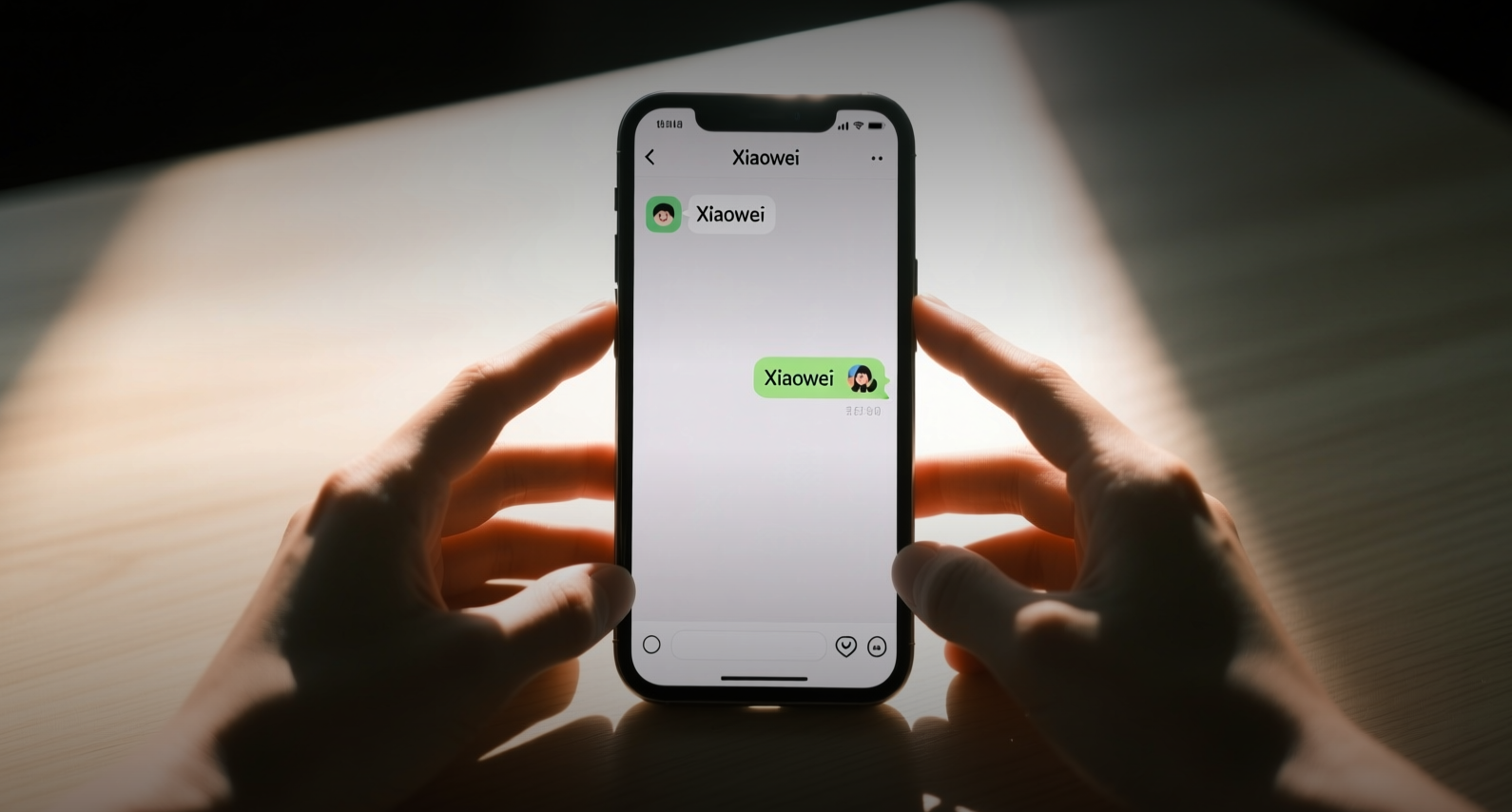
Tencent Holdings Ltd. began testing Xiaowei, a native AI assistant, inside WeChat on June 20, giving a small group of the super app's 1.4 billion users the ability to send messages, transfer money, order food and book hotels using text or voice commands. The assistant runs primarily on WeLM, the large language model built by WeChat's own engineering team, with some queries routed to DeepSeek.
"Xiaowei represents a fundamental shift in how users interact with WeChat — from tapping through menus to simply stating what they want," a Tencent spokesperson said. The company is targeting a broader public rollout in the third quarter.
The assistant supports a 128,000-token context window, equivalent to roughly 90,000 Chinese characters, enabling it to process lengthy documents and conversation histories. Users can invoke Xiaowei from the main chat screen by swiping right or tapping a dedicated icon. It can read and summarize content from Official Accounts and Video Accounts, generate and analyze images, and remember past conversations to personalize future responses.
The most consequential feature is Xiaowei's ability to call mini-programs — the lightweight apps inside WeChat — to execute multi-step tasks. A user asking for a bubble tea can specify sugar level and ice preference; Xiaowei automatically opens the Heytea or Meituan mini-program, fills in the order, and asks for manual payment confirmation. The same logic applies to hotel bookings via Ctrip and ride-hailing through Didi.
Mini-programs become AI-callable skills
This integration rewrites the economics of WeChat's mini-program ecosystem, which hosts millions of third-party developers. Previously, a mini-program's success depended on search rankings, QR code scans, and share links — all forms of user-driven discovery. Xiaowei introduces a new distribution channel: AI-driven invocation, where the assistant selects the best service for a task without the user browsing a list.
Chen Yuming, a mini-program developer, said the change transforms mini-programs from standalone apps into "skills" that AI can call directly. "In the past, developers focused on retention time and page views," he said. "Now the key metric becomes invocation count and task completion rate." Developers of tools like weather checks, currency converters, and document processors — services with "query-and-leave" usage patterns — stand to benefit most, as they no longer need to fight for user attention.
The shift also lowers the barrier for individual developers. Rather than buying traffic through search ads or social media campaigns, a developer with a clearly defined capability — legal advice, resume optimization, AI image generation — can be surfaced by Xiaowei based on user intent alone. "This could become the biggest opportunity for solo developers," Chen said.
Competitive pressure in China's AI race
Tencent's move comes as China's AI labs intensify competition on multiple fronts. ByteDance's Doubao and Alibaba's Tongyi Qianwen have added similar agent capabilities within their own ecosystems. Ant Group, Alibaba's fintech affiliate, is testing an AI assistant inside Alipay that can order food and book rides through voice commands.
The broader context is a market where Chinese AI models are closing the gap with US rivals at a fraction of the cost. Zhipu AI, the Beijing-based lab, last week released GLM 5.2, which it called the strongest Chinese-trained system to date, running at less than one-tenth the cost of Anthropic's Fable 5. Zhipu made the model's weights publicly available — a common practice among Chinese AI labs that contrasts with the increasingly restricted access from US companies.
Tencent shares rose on the Xiaowei announcement, reflecting investor optimism that the assistant can unlock new revenue streams through AI-driven transactions, paid tools, and advertising within WeChat's walled garden. The company has not disclosed pricing or monetization plans for Xiaowei.
For now, the assistant's ability to handle complex mini-program tasks remains uneven. Services with simple interfaces — a search bar and a list — work smoothly. Apps like Ctrip and Qunar, with their dense home screens of banners, pop-ups and personalized recommendations, still require significant manual intervention. Tencent said it is working to improve the agent's navigation capabilities ahead of the Q3 launch.
This article is for informational purposes only and does not constitute investment advice.
