
The US-Iran framework deal to reopen the Strait of Hormuz will take at least 40 to 50 days to clear naval mines, leaving more than 800 tankers stranded and keeping Brent crude near $84 a barrel.
The US-Iran framework deal to reopen the Strait of Hormuz will take at least 40 to 50 days to clear naval mines, leaving more than 800 tankers stranded and keeping Brent crude near $84 a barrel.
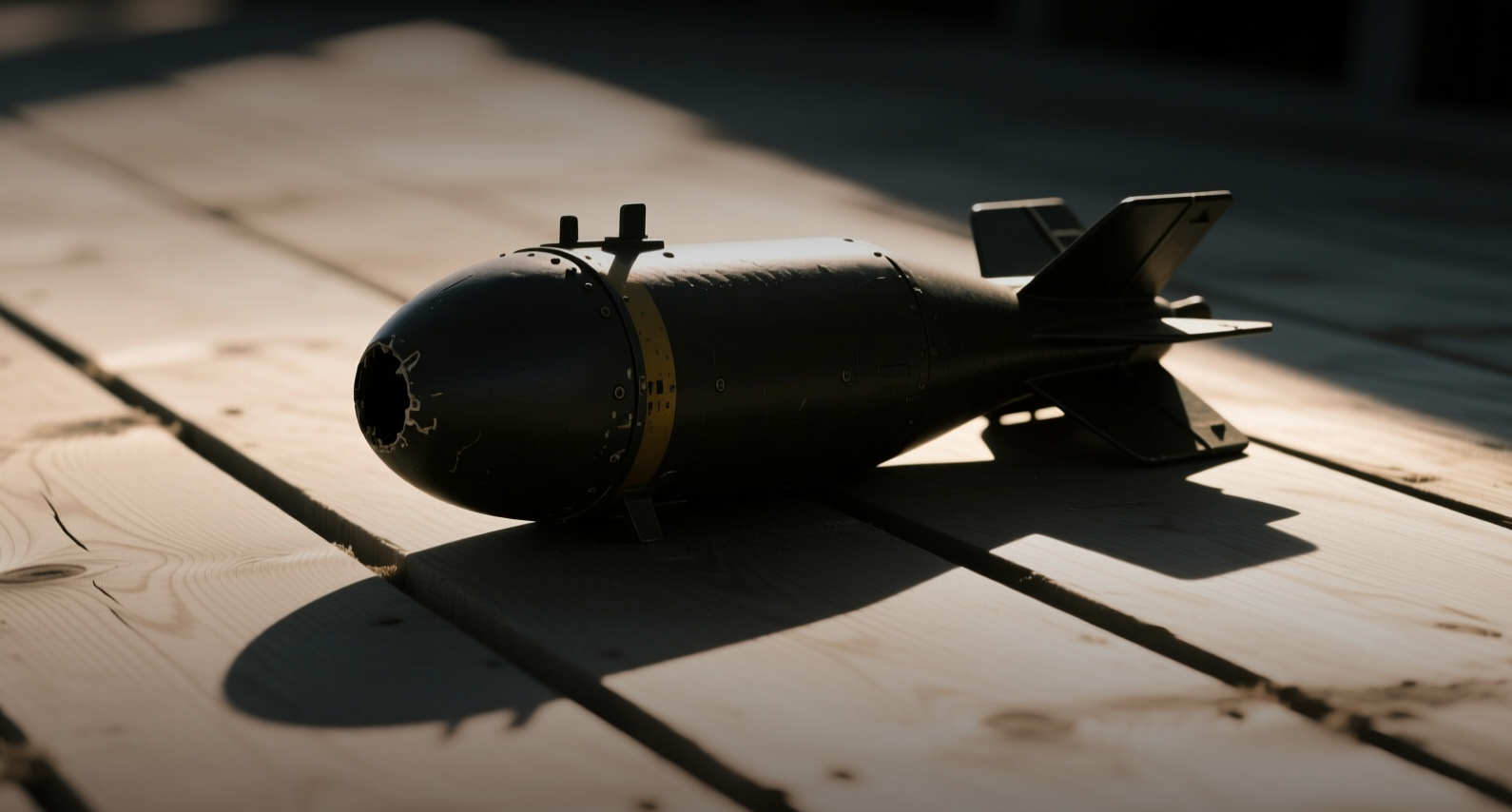
The US-Iran framework deal reopening the Strait of Hormuz faces a 40-to-50-day mine clearance process, keeping more than 800 tankers stranded and Brent crude near $84 a barrel as war-risk insurance costs remain elevated.
"Transiting the Strait of Hormuz right now would be very risky," said Jakob Larsen, chief safety and security officer at shipping association BIMCO, calling for "mine-free routes" to be established before normal traffic resumes.
Brent crude fell more than 3% to near $84 a barrel after the June 14 announcement, while West Texas Intermediate traded near $81. War-risk insurance premiums remain at 1% to 4% of a vessel's value per transit, compared with less than 0.1% before the conflict, adding $2 million to $8 million in costs for a typical $200 million tanker, according to a report in The New York Times.
The waterway handles about a fifth of the world's oil and liquefied natural gas supply. Neil Shearing, group chief economist at Capital Economics, projected it would take until the end of September for about 80% of energy flows to resume, while damage to Qatar's Ras Laffan LNG hub — where attacks knocked out about 17% of export capacity — could take years to repair.
Iran must locate and clear the naval mines it deployed during the conflict that began Feb. 28 with US and Israeli strikes. Most could be found using minesweepers, underwater drones and sonar, but some may have drifted, maritime experts said. Independent observers will then need to verify the waterway is safe, a process maritime security sources told Reuters could take 40 to 50 days.
At least three tankers carrying Iranian oil have already sailed through the US naval blockade this week, with a fourth empty vessel heading toward the Gulf of Oman, shipping data showed. But broader traffic remains stalled. Kpler data showed 155 tankers carrying oil and chemicals in the Gulf area as of June 15, down from 201 at the end of May. Oil Brokerage's estimate stood at 215 tankers, with global head of shipping research Anoop Singh saying the pile-up could be resolved in eight to 10 days under unrestricted navigation.
Staffing those ships presents another challenge. About 20,000 seafarers remain aboard stranded vessels, according to the UN's International Maritime Organization, which confirmed that 14 crew members have been killed in attacks. India's Directorate General of Shipping on Sunday ordered employment agencies to restrict deployments to conflict areas, reflecting growing reluctance among crews to accept Gulf postings.
The biggest risk to the agreement's durability is political. The framework extends the current ceasefire for at least 60 days while launching broader talks on Iran's nuclear program, but Israeli Prime Minister Benjamin Netanyahu has stressed that Israel is not bound by the accord. Unresolved issues including sanctions relief and Tehran's support for Hezbollah and the Houthis leave room for escalation.
"Returning to full pre-conflict volumes is realistically a 2027 story, and only if the agreement holds without incident and production recovers at pace," said David Jorbenaze, global oil market leader at ICIS.
This article is for informational purposes only and does not constitute investment advice.
