


STMicroelectronics is raising microcontroller prices for the second time this year, joining a wave of chipmakers passing through higher foundry and memory costs that signals a structural repricing across the semiconductor industry.
STMicroelectronics is raising microcontroller prices for the second time this year, joining a wave of chipmakers passing through higher foundry and memory costs that signals a structural repricing across the semiconductor industry.
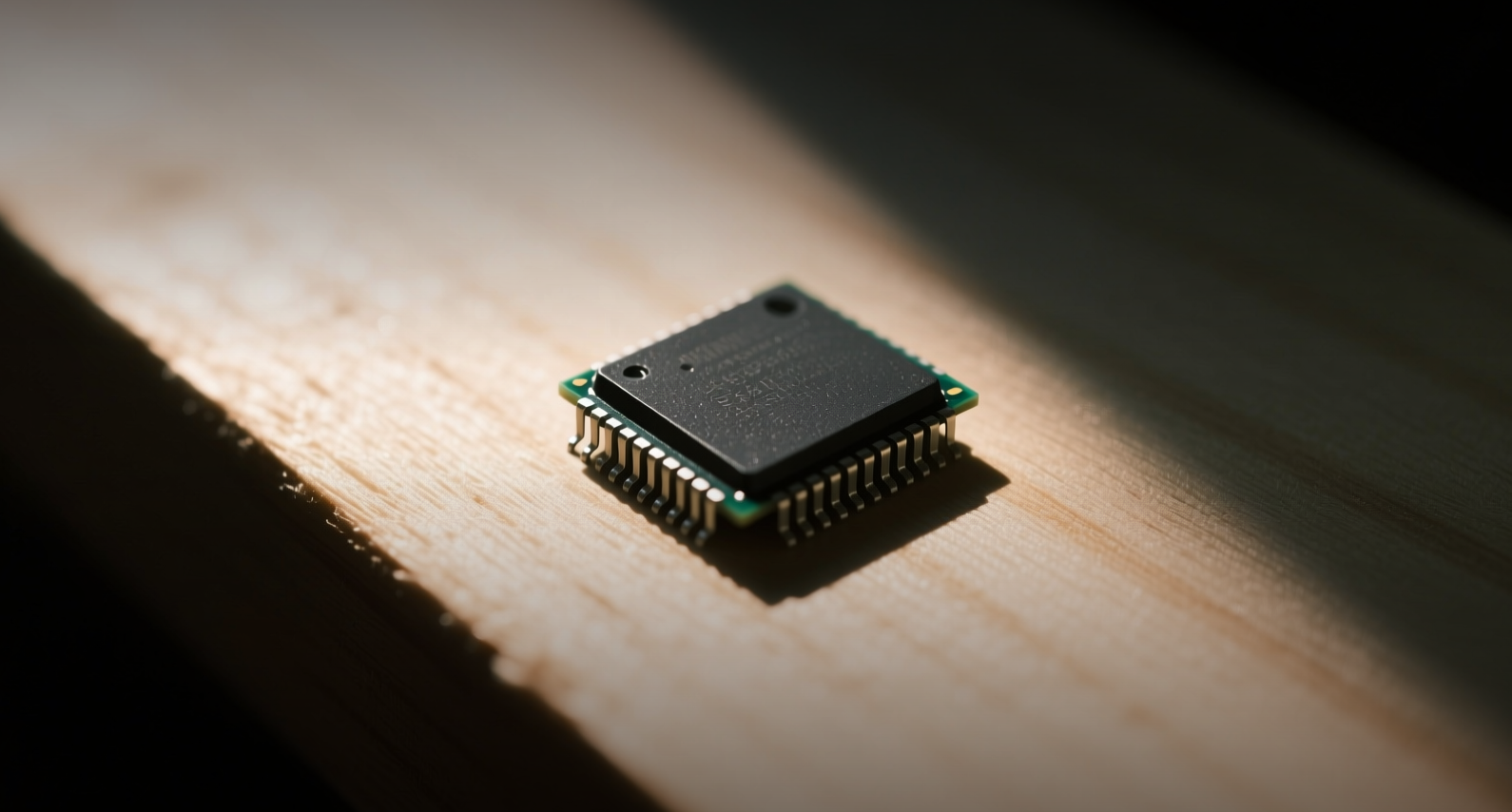
STMicroelectronics is raising microcontroller prices for the second time this year, joining a wave of chipmakers passing through higher foundry and memory costs that signals a structural repricing across the semiconductor industry.
STMicroelectronics notified customers that a new round of MCU price increases will take effect June 28, 2026, according to a report from TrendForce on Tuesday. The move follows an earlier price adjustment announced in March that took effect April 26, making this the company's second hike in six months.
The price increases are not limited to STMicro. NXP Semiconductors, Infineon Technologies and Nuvoton Technology have all announced MCU price increases in recent weeks, while Texas Instruments and NXP are reportedly preparing further adjustments in June and July, according to the TrendForce report. The coordinated action across multiple major suppliers points to common cost pressures rather than company-specific factors.
Foundry costs drive the repricing
At the heart of the wave are rising wafer foundry costs. Vanguard International Semiconductor informed clients earlier this year that it would raise prices on select products by as much as 15% starting in April, according to a May report from the Economic Daily News. Vanguard's chairman later confirmed the adjustments had been completed.
United Microelectronics Corp. is also preparing changes. UMC Chief Financial Officer Liu Chi-tung told shareholders at the company's annual meeting that the foundry plans targeted price adjustments in the second half of 2026, with broader client negotiations expected in 2027.
The foundry increases reflect tight capacity at mature process nodes, which are increasingly allocated to high-value products such as power management ICs and MCUs. Rising labor, raw material and depreciation costs have compounded the pressure across the supply chain.
NOR Flash ripple effect adds another layer
Memory prices are adding to the upward pressure on MCUs. Many microcontroller products rely on NOR Flash to store code and firmware, and rising memory costs have begun flowing through to MCU pricing. This linkage means the price increases may persist even if foundry costs stabilize, as the memory component of MCU bill-of-materials continues to rise.
What this means for investors
The coordinated price hikes represent a structural repricing of MCU supply rather than a temporary adjustment. For STMicroelectronics (STM), NXP (NXPI) and Infineon (IFNNY), the increases should support gross margin expansion in the second half of 2026, assuming demand holds. STMicro trades at roughly 18 times forward earnings, below the Philadelphia Semiconductor Index's 22x average, suggesting the market has not fully priced in margin improvement from the hikes.
For downstream manufacturers in automotive, industrial automation and consumer electronics, the picture is different. MCU procurement costs are rising at a time when end-market demand in automotive and industrial segments remains uneven. Companies that cannot pass through higher input costs face margin compression through the second half of 2026 and into 2027.
The next data point to watch is UMC's client negotiations in 2027. If foundry prices rise further, another round of MCU price increases would follow, extending the cycle into next year.
This article is for informational purposes only and does not constitute investment advice.
