
Key Takeaways:
- SpaceX signs $6.3B compute deal with AI startup Reflection
- Reflection pays $150M monthly for Nvidia GB300 chips starting July 2026
- Deal signals SpaceX's shift from AI builder to neocloud provider
Key Takeaways:
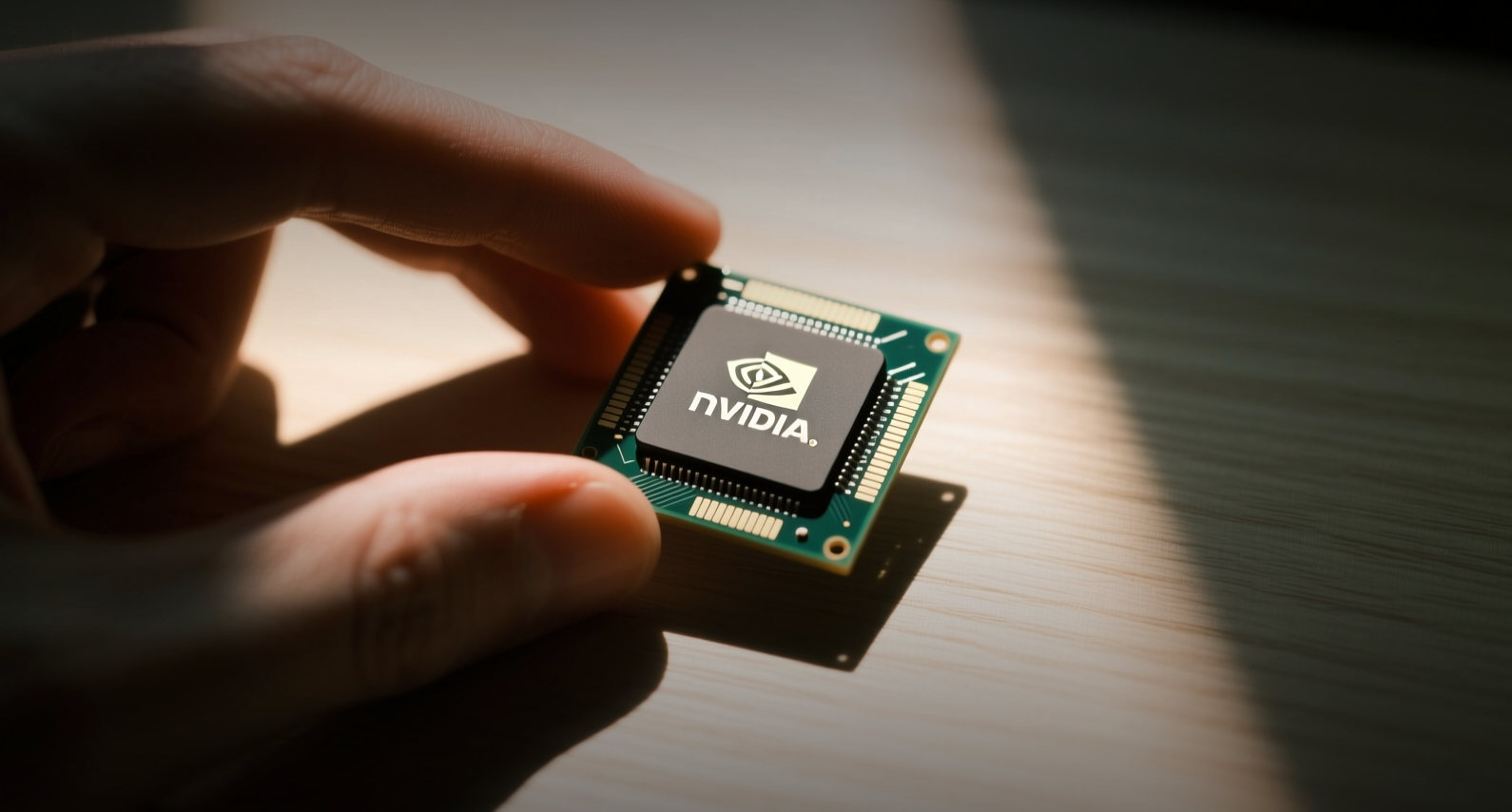
SpaceX is turning its Colossus AI data center into a revenue engine, signing a $6.3 billion compute deal with open-source AI startup Reflection.
SpaceX has agreed to sell computing capacity from its Colossus data center to Reflection AI for as much as $6.3 billion, transforming Elon Musk's AI infrastructure bet into a neocloud business that competes with hyperscalers.
"Recent events highlight how important open source is to the AI ecosystem, with more nations and enterprises recognizing the risks and costs associated with exclusively depending on closed models," a Reflection spokesperson said.
Under the agreement, Reflection will pay $150 million per month starting July 1, 2026, through 2029, for access to Nvidia GB300 chips, the latest generation of AI processors. Either party can end the contract with 90 days' notice after the first three months. SpaceX has already struck similar compute agreements with Anthropic, Google and Cursor, and is in the process of acquiring Cursor outright.
The deal marks a strategic shift for SpaceX, whose AI segment burned $6.4 billion in operating cash last year against $3.2 billion in revenue. By leasing Colossus capacity, the company can offset those losses while placing itself alongside cloud providers racing to sell scarce GPU capacity. SpaceX trades at roughly 130 times sales, a valuation that assumes its AI business will eventually justify the premium.
Colossus Becomes a Revenue Engine
SpaceX built the Colossus data center in Memphis, Tennessee, initially to power Grok, Musk's chatbot rival to ChatGPT and Claude. The facility, which required $12.7 billion in capital expenditure last year alone, has since become a platform for selling compute to outside companies. Reflection, valued at $25 billion, joins a roster that includes Anthropic, one of OpenAI's primary competitors, and Google.
The timing works in Reflection's favor. Anthropic recently cut off access to its Fable and Mythos models, raising concerns among enterprises about relying on closed AI systems for critical work. Reflection has placed itself as the American open-source alternative, working with the Department of Energy's Genesis Mission and participating in broader Pentagon AI efforts. The startup has not yet released a public frontier open-source model but has been building momentum with government and national security customers.
The Valuation Question
SpaceX went public on June 12 at a valuation of nearly $2 trillion and has since added roughly $500 billion to its market capitalization, trading at about 130 times revenue. The company's three segments — space, connectivity and AI — produced $18.7 billion in total revenue last year, with Starlink contributing $11.4 billion and the launch business $4.1 billion.
The AI segment, however, remains the weakest performer. It generated $3.2 billion in revenue while burning $6.4 billion in operating cash, a negative margin that the compute leasing strategy is designed to address. Nvidia, whose GB300 chips power Colossus, stands to benefit from the capacity buildout regardless of which company ultimately controls the infrastructure.
For investors, the question is whether SpaceX's compute business can grow fast enough to justify a $2.43 trillion market cap. The neocloud model — selling raw GPU capacity — carries lower margins than proprietary AI services, and competition from Amazon Web Services, Microsoft Azure and Google Cloud is intensifying. SpaceX's advantage lies in its access to Nvidia's latest chips at scale, a scarce resource that commands premium pricing. Starlink's average revenue per user has already fallen to $66 per month from $86 at the end of 2023, a sign that pricing pressure is spreading across Musk's businesses.
This article is for informational purposes only and does not constitute investment advice.
