
SoftBank's Masayoshi Son broke with Elon Musk's space-based AI vision, arguing the economics of orbital data centers don't add up.
SoftBank's Masayoshi Son broke with Elon Musk's space-based AI vision, arguing the economics of orbital data centers don't add up.
SoftBank Group founder Masayoshi Son dismissed the idea of building data centers in space, breaking publicly with the vision Elon Musk has spent the past year building toward. Son made the comments at his own company's shareholder meeting, according to a Seeking Alpha report.
Son's rejection centers on where the money actually goes. Electricity savings would be real in orbit, but power makes up only a small share of total data center costs compared with chips and other hardware, Son said at the meeting, according to Bloomberg. Cutting the smaller expense while adding launch costs, maintenance, and communication delays does not clear the bar for him.
"He who strikes first wins," Son said, framing the next few years as the period that decides the AI race, not the next decade. That framing favors infrastructure that can be built now, not infrastructure that depends on a rocket still in development.
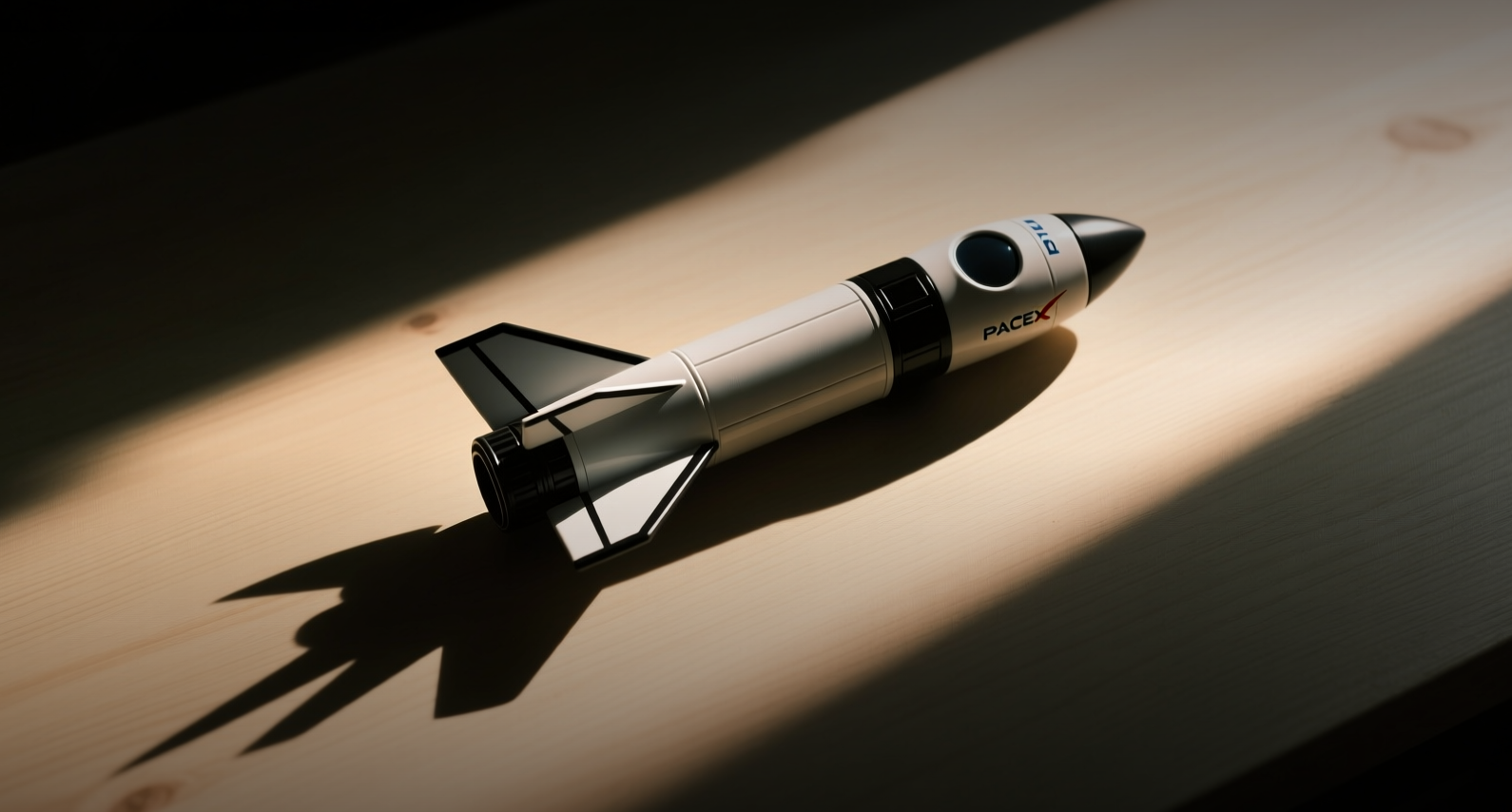
SpaceX has spent the past year building toward orbital compute. In February, the company merged with xAI in a deal Musk framed as the fastest way to access power and space for AI compute, CNN reported. Weeks later, SpaceX filed with federal regulators for permission to launch as many as 1 million satellites built around orbital data centers. The first design, called AI1, is a 70-meter spacecraft carrying up to 150 kilowatts of peak compute capacity, according to Tom's Hardware. SpaceX has already signed a $920 million-per-month compute deal with Google tied to the project.
The disagreement carries weight because both companies are racing to deploy AI infrastructure at unprecedented scale. SpaceX debuted this month at a $1.75 trillion valuation, putting its capital deployment strategy under fresh scrutiny. SoftBank, meanwhile, is the lead backer of Stargate, the roughly $500 billion AI infrastructure push with OpenAI that depends on terrestrial buildouts like the one in Abilene, Texas. SoftBank also walked away in January from a reported $50 billion bid for data center operator Switch, Bloomberg reported, a setback for the same ground-based strategy Son is now defending.
Why the math matters for investors
Communication delays alone could matter for real-time AI workloads, since signals between an orbital data center and Earth still take measurable time to travel. Son's view of the timeline matters as much as his math. If the AI race is decided in the next few years, as he argues, then building terrestrial capacity today — even at higher power costs — may be the winning strategy. SpaceX's orbital approach, by contrast, depends on a launch cadence and satellite deployment schedule that has not yet been proven at scale.
The competing visions create a clear fork for investors tracking AI infrastructure. SoftBank's terrestrial bet through Stargate positions it alongside OpenAI and against Musk's orbital thesis. SpaceX's $1.75 trillion market cap and its Google compute deal suggest the market has not dismissed the space-based approach entirely. But Son's public rejection — from one of tech's biggest gamblers — introduces a high-profile voice questioning whether the orbital math works.
This article is for informational purposes only and does not constitute investment advice.
