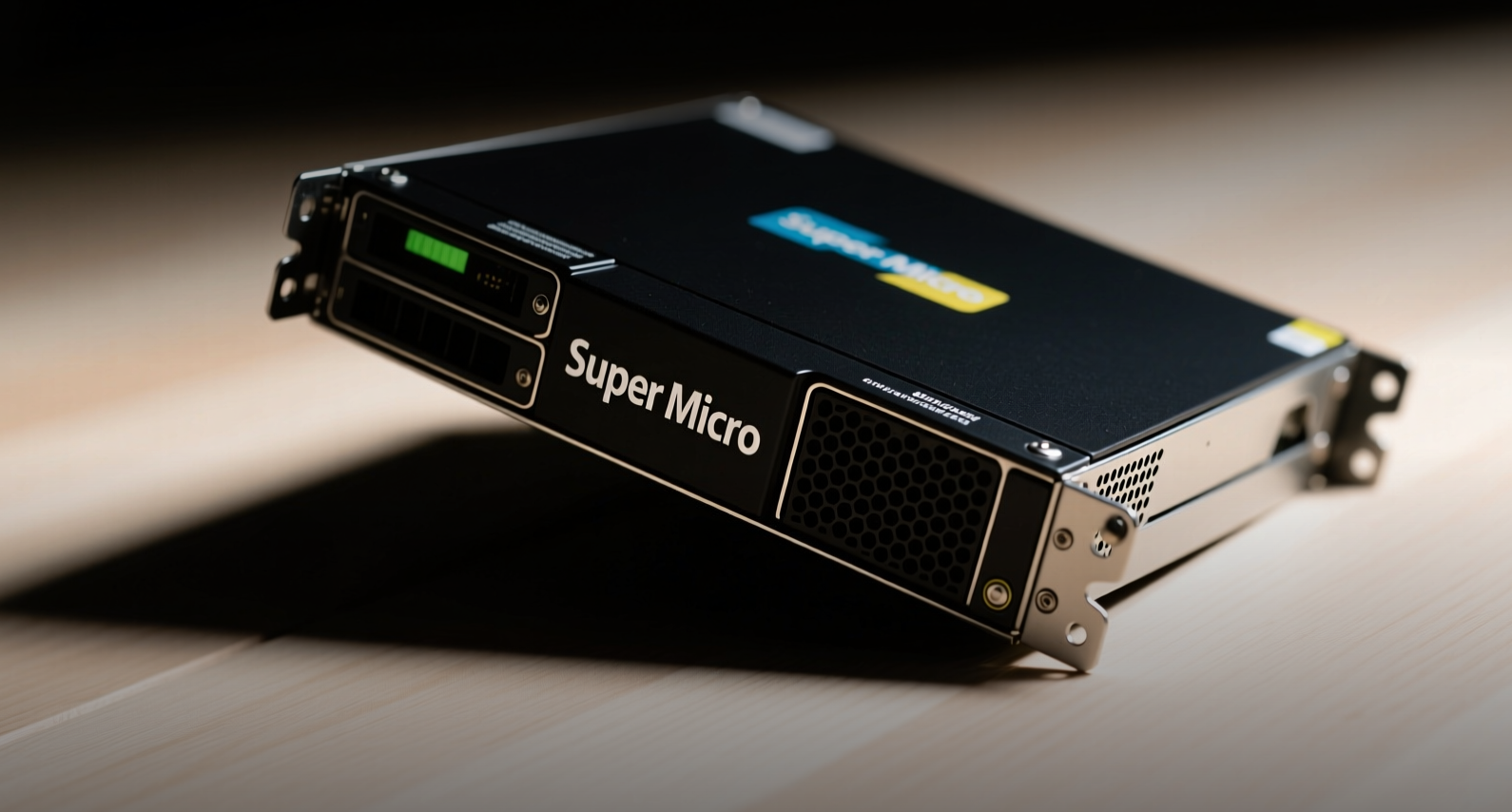
Taiwanese prosecutors escalated a probe into the unauthorized diversion of Super Micro Computer AI servers to China, searching three companies and summoning six individuals on Monday.
Taiwanese prosecutors widened an investigation into the alleged smuggling of Super Micro Computer AI servers to China, searching offices of three companies and sending SMCI shares down 8% to $28.15.
"Super Micro is cooperating with authorities in Taiwan and other global jurisdictions to protect its technology and intellectual property," the company said in a statement, adding that its products continue to be targeted by illicit export networks.
The sweep, spearheaded by prosecutors in Keelung, targeted six individuals summoned on charges of document forgery and breach of trust. Investigators also searched the offices of Chief Telecom, a data-center service provider, and Albatron Technology, a Super Micro distributor. Albatron shares slid 10% in Taipei trading Tuesday, while Chief Telecom fell 1.5%.
The probe builds on a May investigation into allegations that three individuals illicitly exported Super Micro's AI servers equipped with high-end Nvidia chips to China. The illegal transport of advanced AI hardware into restricted markets has become an international security flashpoint as Western nations clamp down on access to high-performance processors. Taiwan, which manufactures most of the world's advanced computing components, faces growing pressure to tighten regulatory boundaries.
The Monday raids mark the latest escalation in a widening enforcement campaign. In March, Super Micro co-founder Yih-Shyan "Wally" Liaw resigned from the board after being indicted for his alleged role in a scheme to smuggle high-end Nvidia chips to China. The company launched an independent investigation in April led by board members examining the indictment of two former employees and a contractor.
Export Controls Reshape the AI Supply Chain
The crackdown reflects intensifying US-led efforts to prevent advanced AI technology from reaching China. Nvidia's high-end chips, including the A100 and H100 series, have been subject to strict export controls since 2022, with further restrictions imposed in October 2023. Underground networks have increasingly relied on complex transshipment routes through third countries to circumvent the bans.
Super Micro's servers, which integrate Nvidia's most advanced graphics processing units, have become a focal point of enforcement. The company highlighted the need for "deeper collaboration between the tech industry and governments to strengthen supply-chain visibility and enforce export controls."
Market Fallout Spreads Beyond SMCI
The 8% decline in Super Micro's Nasdaq-listed shares erased roughly $1.5 billion in market value, pushing the stock back below $30. The selloff extended to related names in the supply chain, with Albatron Technology dropping 10% and Chief Telecom declining 1.5% in Taipei trading.
The investigation shows that enforcement of AI export controls is accelerating, with potential implications for any company involved in the cross-border movement of advanced computing hardware. As the US-China technology rivalry intensifies, further regulatory actions targeting supply chain intermediaries are expected.
This article is for informational purposes only and does not constitute investment advice.