

Shell warns global LNG supply could contract as Hormuz disruption enters its fourth month, reversing its pre-conflict growth outlook.
Shell warns global LNG supply could contract as Hormuz disruption enters its fourth month, reversing its pre-conflict growth outlook.
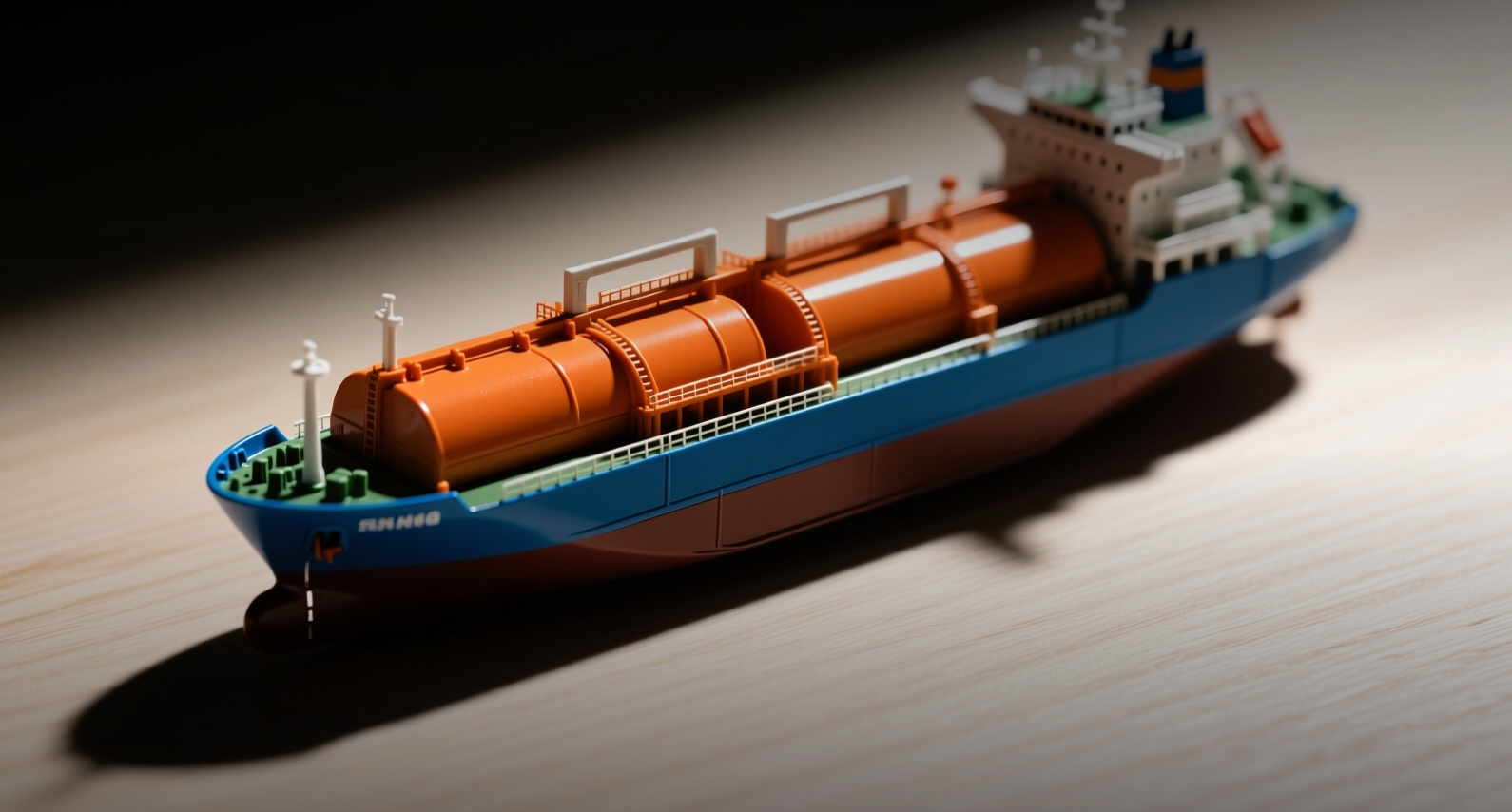
Shell warned global LNG supply could contract if the Strait of Hormuz disruption persists, reversing its pre-conflict expectation of significant sales growth in 2026 as the waterway's paralysis enters a fourth month.
"Prolonged disruption to transit through the Strait of Hormuz risks a contraction in global LNG supply this year," Shell said in a statement, without providing specific volume estimates.
The warning comes as Brent crude traded near $73 a barrel Monday, close to pre-war levels, even as the market faces a chaotic rebalancing. Ship-tracking data from LSEG shows that for every four tankers leaving the Persian Gulf last week, only one entered — far below the roughly 125 daily crossings before the conflict.
A sustained contraction in LNG supply would compound energy security concerns across Asia and Europe, where buyers already scrambled to secure alternative cargoes after the waterway — which carried about a fifth of global oil and gas — was effectively shut for more than 100 days.
The Strait of Hormuz, a 21-mile-wide chokepoint between Oman and Iran, handled about 20% of global LNG shipments before the U.S.-Iran conflict erupted on Feb. 28. The waterway's closure stranded dozens of tankers inside the Gulf and forced buyers from Japan to Germany to tap storage and seek spot cargoes from the U.S. and Qatar via alternative routes.
Shell's warning highlights the fragility of the recovery. While flows briefly exceeded pre-war levels of about 20 million barrels of oil equivalent per day last week, according to U.S. Energy Secretary Chris Wright, overall traffic remains depressed. Some vessels are disabling tracking systems during transit, further clouding the picture, Reuters reported.
The market's rapid shift from shortage to potential surplus complicates the outlook. Global oil supply is forecast to fall by 3.9 million barrels a day in 2026 but rebound by about 8 million barrels a day in 2027 to roughly 110.3 million barrels a day, according to the International Energy Agency. Demand is expected to recover far more modestly, creating a potential surplus of about 5 million barrels a day next year.
Iran's expected ramp-up adds to the supply overhang. Tehran could reach output of 3.3 million barrels a day by year-end, above pre-conflict levels, if the U.S. sanctions relief stays in place, according to Rystad Energy. The consultancy estimates shut-in production across the Gulf fell to 9.6 million barrels a day by mid-June from 11.7 million barrels a day three weeks earlier, with a full return to pre-war output expected by December.
For LNG specifically, the risks are acute. Qatar, the world's largest LNG exporter, relies almost entirely on the Strait of Hormuz for shipments. Any sustained disruption would force Asian buyers — which account for more than 70% of global LNG demand — to compete for a shrinking pool of Atlantic Basin cargoes, pushing spot prices higher.
The U.S.-Iran interim deal guarantees unimpeded transit through the strait for 60 days while Tehran negotiates a longer-term framework with Oman. But recent tit-for-tat strikes — including Iranian forces firing on a Taiwanese cargo vessel on Thursday and subsequent U.S. retaliatory strikes — signal that Tehran intends to assert its authority through the newly created Persian Gulf Strait Authority.
"After months of severe disruption, the road back to balance is unlikely to be smooth," Reuters columnist Ron Bousso wrote Monday. "That suggests today's market optimism might be overdone."
The contango structure in Brent futures — where August contracts traded below September for the first time since the war began — could persist for several weeks as the backlog of trapped oil clears. But once flows normalize, the market will require enormous volumes to refill inventories depleted during the conflict, potentially tightening conditions again by year-end.
This article is for informational purposes only and does not constitute investment advice.
