
Semiconductor stocks have suffered their worst two-day selloff in a month as investors reassess whether the AI infrastructure spending boom can sustain its record-breaking pace beyond 2026.
Semiconductor stocks have suffered their worst two-day selloff in a month as investors reassess whether the AI infrastructure spending boom can sustain its record-breaking pace beyond 2026.
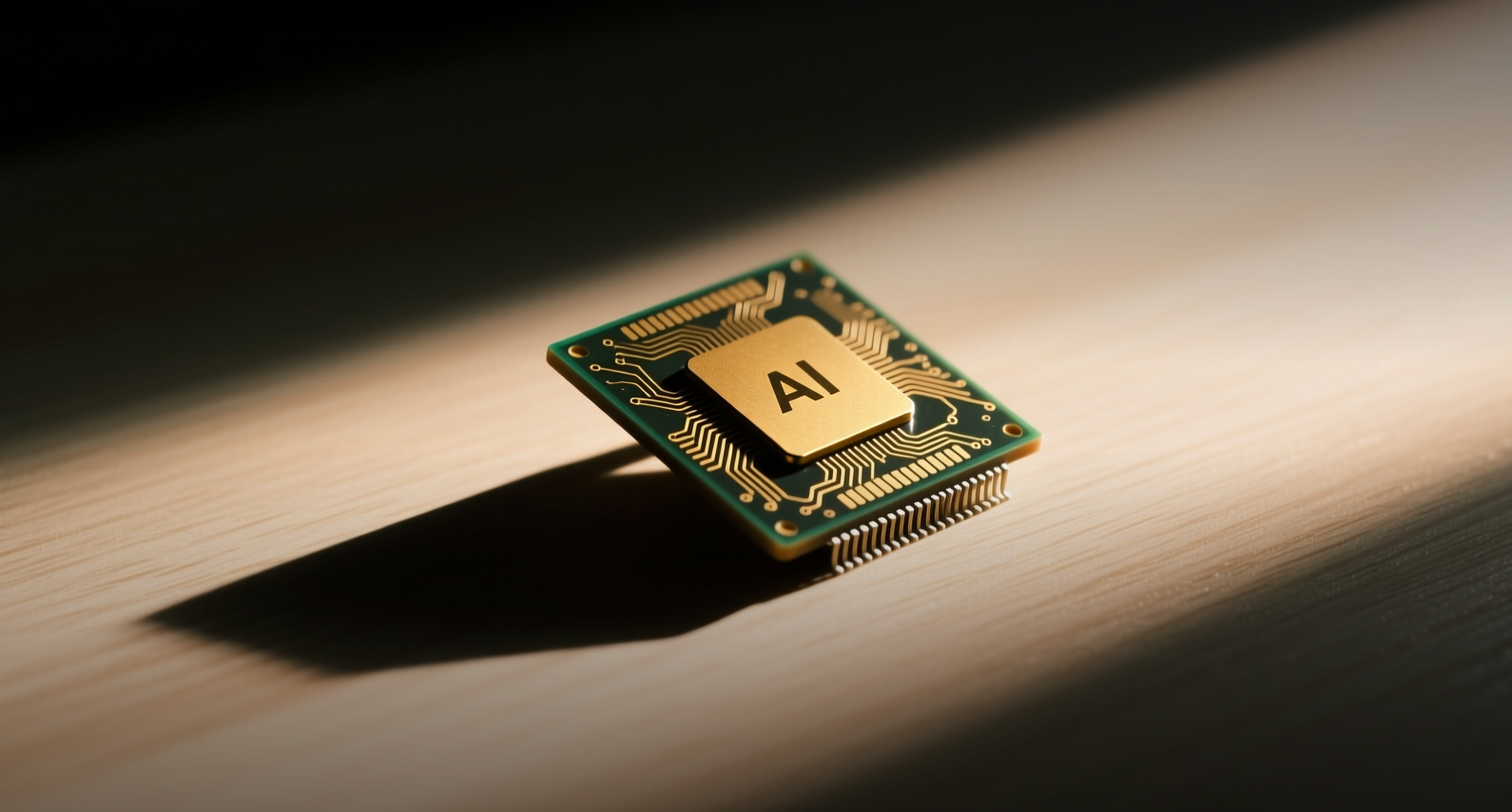
Semiconductor stocks have suffered their worst two-day selloff in a month as investors reassess whether the AI infrastructure spending boom can sustain its record-breaking pace beyond 2026.
The Philadelphia Stock Exchange Semiconductor Index fell as much as 6% on Thursday, extending a two-day decline to roughly 12% — the steepest since early June — as concerns over AI spending discipline and stretched valuations triggered broad-based profit-taking across the sector.
"The market is asking whether all of this massive AI spending will actually pay off, and that's created nervousness after such an extraordinary run," Eric Beiley, executive managing director of wealth management at Steward Partners, told Bloomberg.
The selloff swept across the semiconductor supply chain. Memory chipmakers bore the brunt: SK Hynix fell 9.2% in Seoul, Samsung Electronics dropped 7.5%, and Micron Technology gave up 5.5% in New York, tracking toward a weekly decline of more than 12%. SanDisk's two-day loss exceeded 20%. In Japan, Kioxia Holdings tumbled 13.3%, Ibiden lost 7.9%, and Murata Manufacturing fell 7.2%. The VanEck Semiconductor ETF declined 4.5%, led by a 13.6% drop in Teradyne and an 11.5% slide for KLA.
The pullback comes after the Philadelphia Semiconductor Index surged 74% in the second quarter — its best quarterly performance on record — and semiconductor shares outperformed the broader S&P 500 by 86 percentage points in the first half. With valuations stretched after that rally, even modest shifts in the investment thesis can trigger rapid multiple compression. The question for the second half is whether the AI trade can justify the prices it has already reached.
Reports that Meta Platforms is exploring a cloud infrastructure business to sell AI computing capacity fueled concerns that hyperscale AI spending could become more disciplined. Meta shares initially surged nearly 9% on the news Wednesday, but JPMorgan analyst Doug Anmuth cautioned clients that the company's AI capital would be better spent on core products. "We'd much prefer that Meta develop core AI products, leverage them over its base of around 4 billion users, and require massive compute for its own inference rather than selling access to its infrastructure," Anmuth wrote. Meta fell nearly 5% Thursday as investors processed that caution.
Separate reports that Apple is evaluating memory chips from Chinese suppliers added pressure on South Korea's dominant memory producers, while a report that OpenAI had discussed selling a 5% stake to the US government added another layer of uncertainty to the AI trade's near-term dynamics.
SK Hynix, one of only three companies capable of manufacturing high-bandwidth memory at scale alongside Micron and Samsung, is planning a US ADR debut that would give American investors direct access to the AI memory-chip market. The listing would help fund the company's continued expansion as the HBM market is expected to grow to approximately $100 billion by 2028, according to Micron's estimates. The move comes as memory chipmakers enjoy unprecedented pricing power — Micron's gross margins reached 84.9% in its latest quarter, surpassing even Nvidia's — but also face the structural risk that memory supply could catch up with demand, repeating the boom-bust cycles that have historically defined the industry.
For investors, the selloff presents a test of conviction. Micron shares have surged roughly 700% over the past year and crossed a $1 trillion market capitalization for the first time last month, while SanDisk has climbed more than 780% year to date. Nvidia, by contrast, has gained just over 3% this year, making it one of the weakest performers within the semiconductor index despite reporting revenue of $81.6 billion, up 85% from a year earlier. The divergence suggests the market is rotating within the AI trade rather than abandoning it — but with the Philadelphia Semiconductor Index coming off its best quarter ever, the bar for continued appreciation has risen sharply. Whether the sector can reclaim its momentum in the second half will depend on whether AI infrastructure spending, which has driven the rally, can continue to accelerate.
This article is for informational purposes only and does not constitute investment advice.
