

Samsung's PM1763 enterprise SSD delivers 28.4 GB/s read speeds, more than doubling the performance of its predecessor for AI workloads.
Samsung's PM1763 enterprise SSD delivers 28.4 GB/s read speeds, more than doubling the performance of its predecessor for AI workloads.
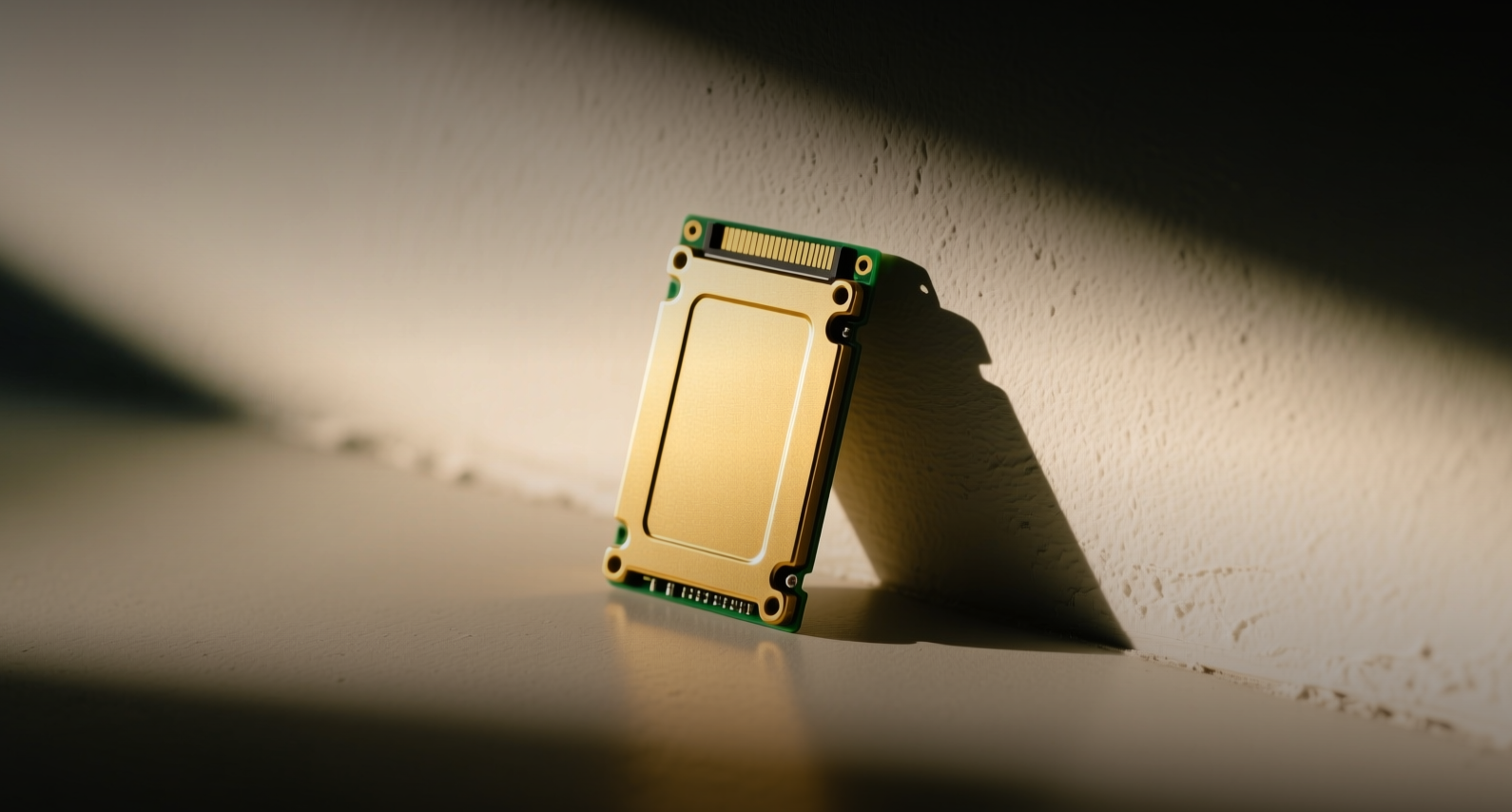
Samsung Electronics began mass production of the PM1763, a PCIe 6.0 enterprise SSD that delivers 28,400 MB/s sequential reads — more than twice the speed of its predecessor — for Nvidia's Vera Rubin AI platform.
"Built on industry-leading performance, PM1763 has successfully completed validation for next-generation AI platforms and is well positioned to support evolving AI infrastructure requirements," Jangseok Choi, Vice President and Head of Memory Product Planning at Samsung Electronics, said.
The drive uses Samsung's 9th-generation V-NAND and a newly developed 4-nanometer controller. The 16TB version achieves sequential write speeds of 21,900 MB/s, allowing a 40-gigabyte large language model to transfer in about 1.4 seconds. Power efficiency improved 1.8 times versus the PM1753, and direct-to-chip liquid cooling sustains peak performance under sustained workloads. The PM1763 also supports post-quantum cryptography and TEE Device Interface Security Protocol for virtualized environments.
Samsung held 35 percent of the enterprise SSD market in the first quarter, according to TrendForce, followed by SK Hynix, Micron Technology and Kioxia Holdings. The PM1763 validation for Vera Rubin strengthens Samsung's position in the AI storage market as Nvidia prepares to scale its next-generation platform. The SSD was first unveiled at Nvidia's GTC conference in March alongside Samsung's HBM4 memory and low-power SOCAMM2 modules as part of a comprehensive AI data center package.
Samsung shares fell 2.87 percent to 288,500 won on Wednesday, while SK Hynix rose 2.32 percent to 2.252 million won. The divergent moves reflect investor views on which memory suppliers stand to benefit most from the Vera Rubin ramp. SK Hynix has been Nvidia's primary HBM supplier, but Samsung's PM1763 win in the storage layer gives it a foothold in a different part of the AI infrastructure stack — one where data throughput, not just memory bandwidth, determines training efficiency.
For Nvidia, adding Samsung as a qualified SSD partner for Vera Rubin reduces single-source risk in its supply chain. The platform requires high-throughput storage to feed data to Nvidia's Grace CPU and Rubin GPU clusters without creating I/O bottlenecks. Samsung's ability to deliver 28.4 GB/s reads over PCIe 6.0 means data can move between storage and compute faster than the previous generation's PCIe 5.0 interface allowed, directly addressing the growing gap between compute speed and data delivery in AI training clusters.
This article is for informational purposes only and does not constitute investment advice.
