
Russia said it stands ready to broker a negotiated settlement to the Iran crisis as tit-for-tat strikes between Washington and Tehran threaten to unravel the April ceasefire.
Russia said it stands ready to broker a negotiated settlement to the Iran crisis as tit-for-tat strikes between Washington and Tehran threaten to unravel the April ceasefire.
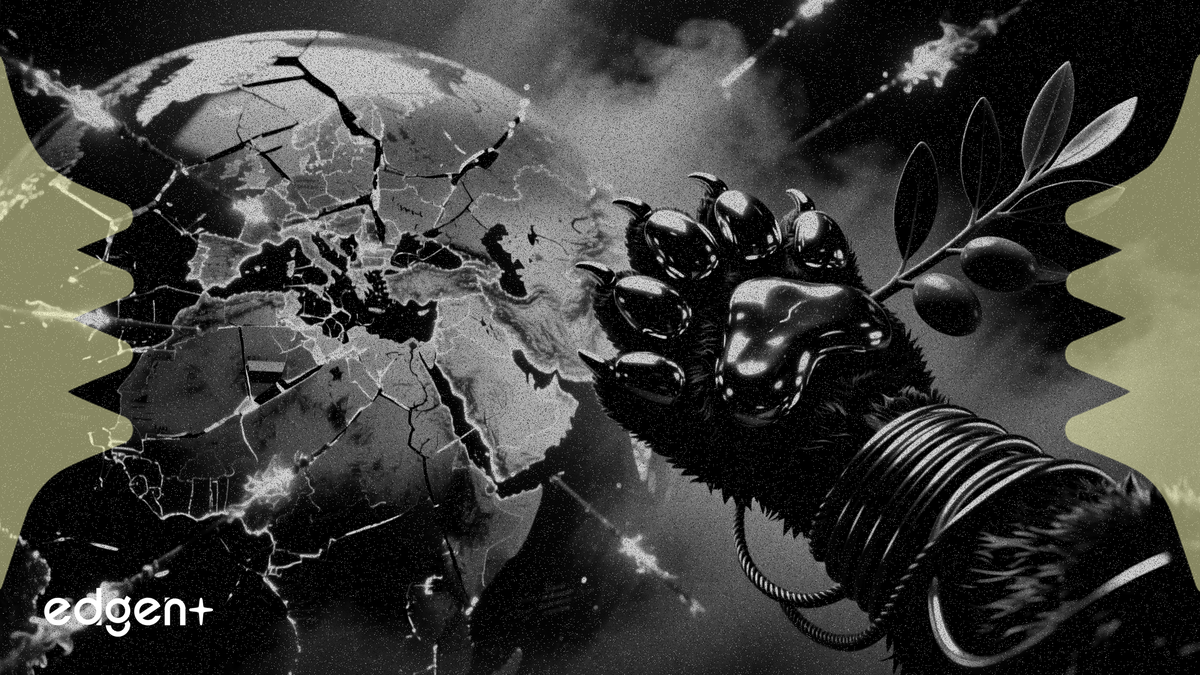
Russia offered to mediate a negotiated resolution to the Iran standoff Wednesday, hours after the US struck nearly 20 Iranian targets near the Strait of Hormuz and Tehran retaliated with missile attacks on American bases in three Gulf states.
"Russia remains willing to facilitate a mutually acceptable negotiated resolution to the Iran issue," Maria Zakharova, spokesperson for the Russian Foreign Ministry, said.
The escalation pushed crude oil futures higher as traders priced in supply disruption risk through the Strait of Hormuz, a chokepoint handling about 21 percent of global seaborne oil trade. Gold rose as investors sought haven assets, while defense sector stocks gained across European and US exchanges.
The exchange of fire — the most significant since Washington and Tehran agreed to a ceasefire in April — casts doubt on prospects for a broader diplomatic resolution. If the ceasefire collapses entirely, analysts expect Brent crude could test $100 a barrel, up from current levels, while risk assets across emerging markets would face renewed selling pressure.
The current escalation began after Iran downed a US Apache helicopter near the Strait of Hormuz, prompting American strikes on Iranian air defenses, ground control stations and surveillance radar sites. A US official said nearly 20 Iranian targets were hit in the operation, which lasted about four hours. Iran's Islamic Revolutionary Guard Corps said Qeshm Island and the port of Sirik were attacked, with explosions also reported near Bandar Abbas and Jask at the entrance to the Strait of Hormuz. In response, Iran launched missile and drone attacks on US bases in Jordan, Kuwait and Bahrain, though a US official said there were no reports of damage to American bases. Jordan and other Gulf states activated air defenses to intercept incoming missiles.
The last time US-Iran military tensions reached this level was in late February 2026, when joint US-Israeli strikes on Iran triggered the initial conflict. That escalation led to a ceasefire in April that has now come under severe strain. The April ceasefire had raised hopes for a broader diplomatic resolution, with indirect talks between Washington and Tehran reportedly making progress on nuclear and regional security issues.
Russia's offer to mediate introduces a new diplomatic variable. Moscow has maintained ties with Tehran throughout the conflict while also engaging with Washington on broader security issues, including arms control and the situation in Ukraine. The offer comes as Trump said Iran "has taken too long to negotiate a deal" and warned Tehran would "have to pay the price." Iran's Foreign Ministry said it would "reassess" diplomatic engagement with Washington, citing what it called repeated ceasefire violations by the US.
For energy markets, the key risk remains disruption to shipping through the Strait of Hormuz. About 21 percent of global seaborne oil trade passes through the narrow waterway, and any sustained interruption could push oil prices significantly higher. Brent crude, which has traded in a range this year, could test $100 a barrel if the conflict escalates further, according to market analysts. Higher oil prices would have knock-on effects on inflation expectations and central bank policy across developed economies, potentially delaying rate cuts that markets have been pricing in for the second half of 2026.
The VIX, Wall Street's fear gauge, rose as the strikes unfolded, reflecting heightened uncertainty over the trajectory of the conflict. Defense sector stocks gained across European and US exchanges, while gold also moved higher. Currency markets saw the dollar strengthen against emerging-market currencies as investors reduced exposure to riskier assets.
Russia's mediation offer faces significant hurdles. Moscow has been a key supplier of military technology to Iran and has opposed US sanctions on Tehran, raising questions about its ability to act as an impartial broker. However, Russia also has interests in stabilizing energy markets and preventing a broader regional war that could draw in its own allies. The coming days will test whether Russia can use its relationship with both sides to de-escalate, or whether the latest round of strikes has already closed the window for diplomacy.
This article is for informational purposes only and does not constitute investment advice.
