

Key Takeaways: RocketLab's new propulsion system could reshape the competitive dynamics of the $300 billion space launch market.
Key Takeaways: RocketLab's new propulsion system could reshape the competitive dynamics of the $300 billion space launch market.
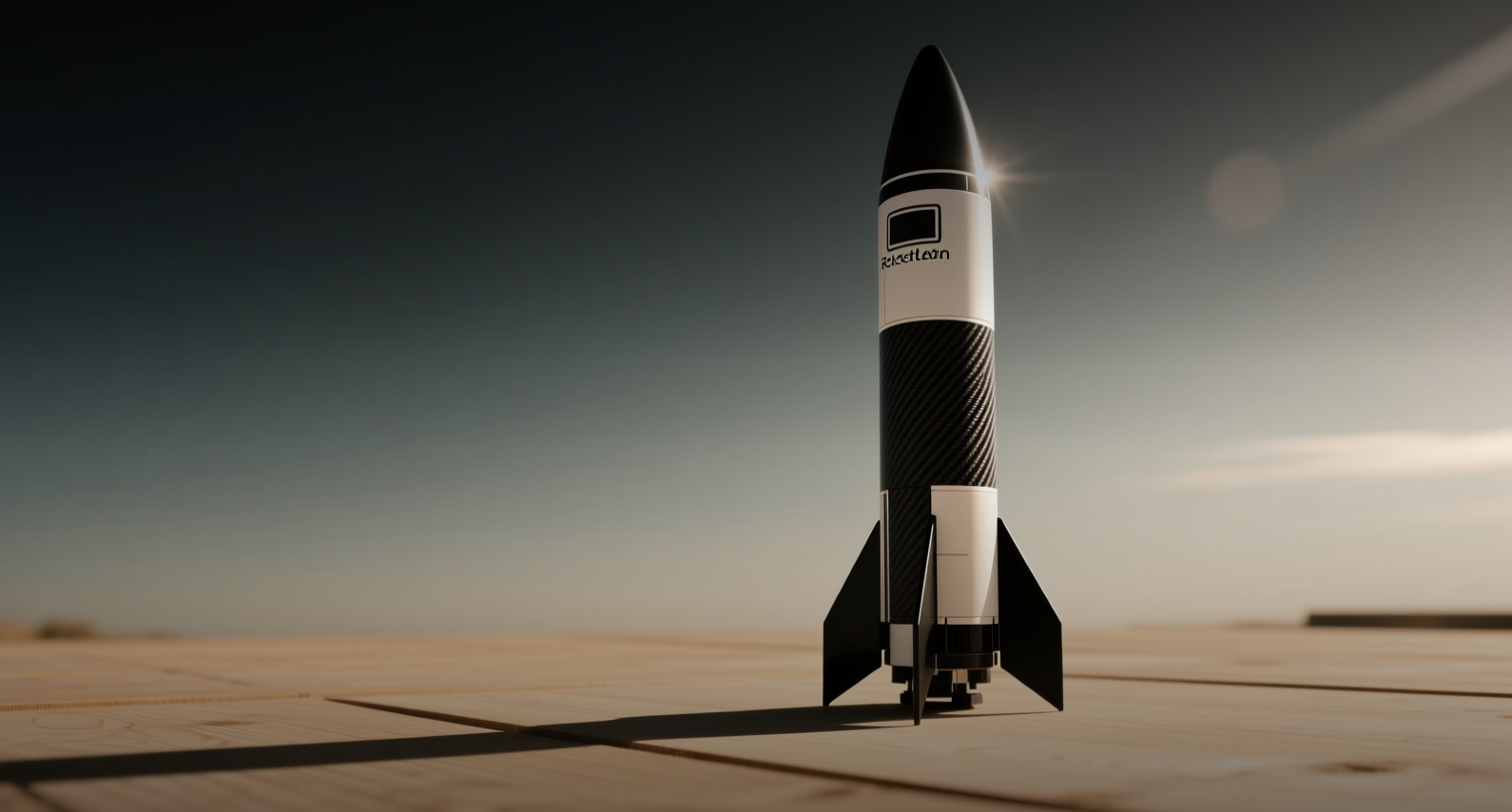
RocketLab's new propulsion system could reshape the competitive dynamics of the $300 billion space launch market.
RocketLab unveiled a new propulsion system on June 20, drawing interest from defense and commercial customers as the company seeks to challenge larger rivals in the rapidly expanding space launch market.
"The new propulsion system is already generating significant interest," the company said, without disclosing specific performance specifications or a timeline for commercial deployment.
The announcement follows RocketLab's successful Cassowary Vex hypersonic test flight for the Pentagon's Defense Innovation Unit, in which the company's HASTE suborbital rocket launched a 3D-printed hypersonic test vehicle developed by Australian firm Hypersonix. That mission gathered data on propulsion, trajectory, and materials under real Mach 5-plus conditions, according to the Defense Department.
The new system positions RocketLab to compete for a share of the private space marketplace that industry analysts estimate could reach hundreds of billions of dollars. SpaceX, the dominant player, recently filed FCC plans for a constellation of up to 1 million AI-equipped satellites, showing the scale of the opportunity. RocketLab, which trades on the Nasdaq, has not disclosed how the new system compares with existing engines from competitors such as SpaceX's Raptor or Relativity Space's Aeon.
The new system arrives as the space industry undergoes a structural shift from government-led programs to commercial enterprise. Companies including RocketLab, AST SpaceMobile, and Interlune are pioneering satellite communications, lunar robotics, and in-space resource extraction, according to Scott St. John, managing editor at Pipeline, a communications industry publication.
RocketLab has not disclosed the propulsion system's thrust, specific impulse, or fuel type. The company also has not provided a timeline for when the system might enter production or which launch vehicles it would power. The lack of technical detail leaves investors to assess the announcement against publicly available specifications of competing engines.
SpaceX's Raptor 3 engine produces 269 metric tons of thrust at sea level and uses liquid methane and liquid oxygen. Relativity Space's Aeon R engine, designed for the Terran R rocket, targets 258 metric tons of thrust. Without comparable data from RocketLab, the competitive significance of its new system remains unverified.
The company's stock price used for the announcement was the afternoon price of June 16, according to the source. RocketLab shares have benefited from growing investor enthusiasm for space-related equities, driven by the expansion of satellite constellations and defense spending on launch technologies.
For investors, the key question is whether the new system can deliver meaningful cost or performance advantages over existing engines. RocketLab's Electron rocket currently uses the Rutherford engine, an electric-pump-fed design that produces 5,600 pounds of thrust. A new, more powerful engine could open access to larger payload contracts and government missions that require heavier lift capacity. The company has not said whether the new system is intended for the Electron, the larger Neutron rocket expected to debut in 2026, or a future vehicle.
This article is for informational purposes only and does not constitute investment advice.
