
RAIN signed a binding letter of intent to combine with Tensor Networks in an all-stock deal that would give the AI-security developer's holders about 90% of the combined company and its founder the CEO role, with closing targeted for Q1 2027.
RAIN signed a binding letter of intent to combine with Tensor Networks in an all-stock deal that would give the AI-security developer's holders about 90% of the combined company and its founder the CEO role, with closing targeted for Q1 2027.
Rain Enhancement Technologies Holdco, Inc. (NASDAQ:RAIN) agreed to absorb privately held Tensor Networks, Inc. in an all-stock combination that would hand the AI-security developer roughly 90% of the combined company and install its founder as chief executive, with closing targeted for the first quarter of 2027.
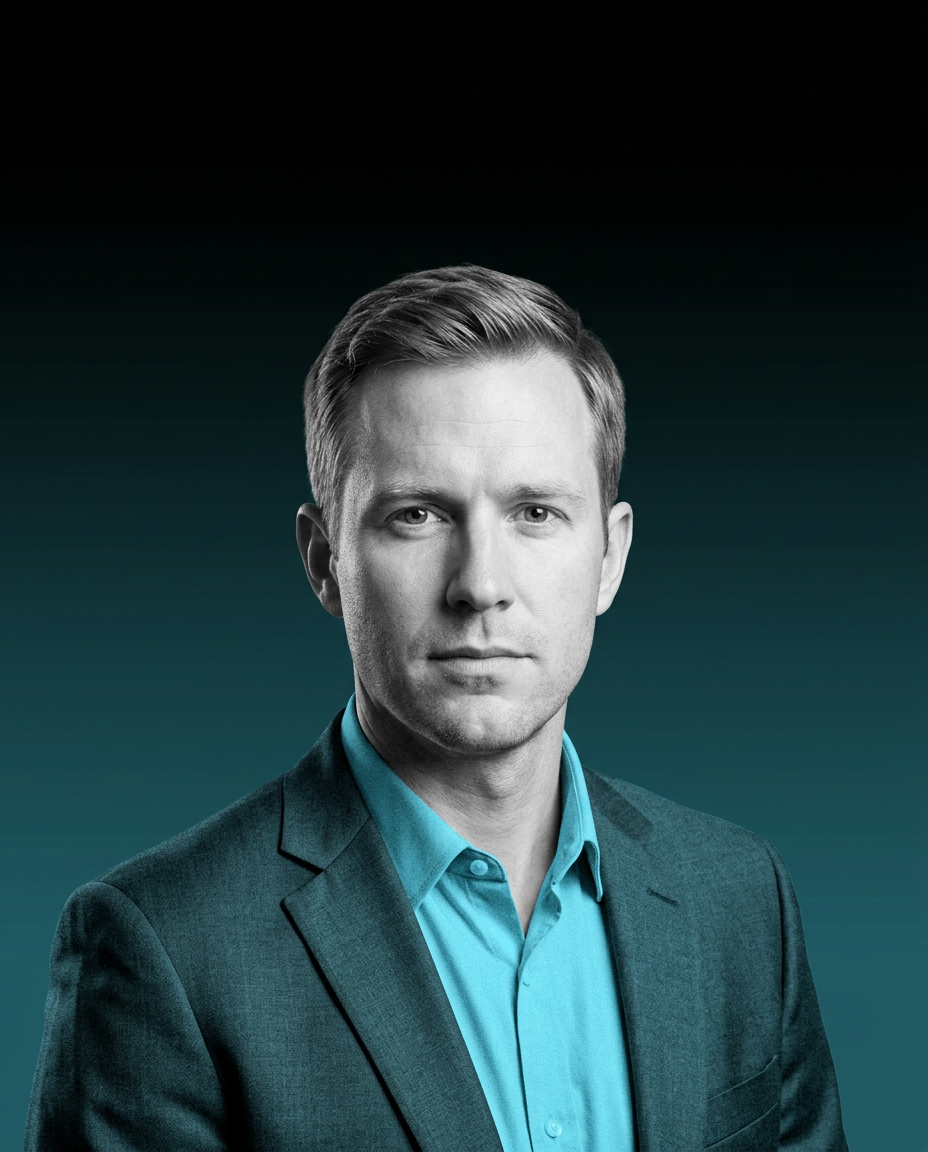
"Tensor Networks gives us a second growth engine alongside RET, and we believe that diversification is the right way to build long-term value for RAIN shareholders," Randy Seidl, chief executive officer of RAIN, said in the announcement. Eric Frazier, founder and CEO of Tensor Networks, framed the rationale around the target's technology: "As AI capabilities scale, security can't be an afterthought bolted onto legacy software."
The structure is unusually lopsided for a NASDAQ-listed acquirer. Tensor Networks' equity holders are expected to own approximately 90% of the fully diluted equity of the combined company, leaving RAIN's existing shareholders with roughly 10%, in each case before dilution from a financing that is itself a condition to closing. The deal is all-stock, with 100% of Tensor Networks' securities rolling into RAIN. RAIN's outstanding debt is to be converted, restructured, or forgiven on mutually agreeable terms before or concurrently with closing, and a minimum of $25 million in gross proceeds from an equity or equity-linked financing must be raised, with net proceeds earmarked for Tensor Networks' growth and working capital.
Leadership changes on closing. Frazier becomes CEO of RAIN; Seidl moves to president. Both report to the board. RAIN insiders, Tensor Networks insiders, and Tensor Networks employees are subject to lock-up agreements of 12 to 18 months following closing. White & Case LLP and TCF Law Group PLLC advised RAIN; Ashurst Perkins Coie advised Tensor Networks.
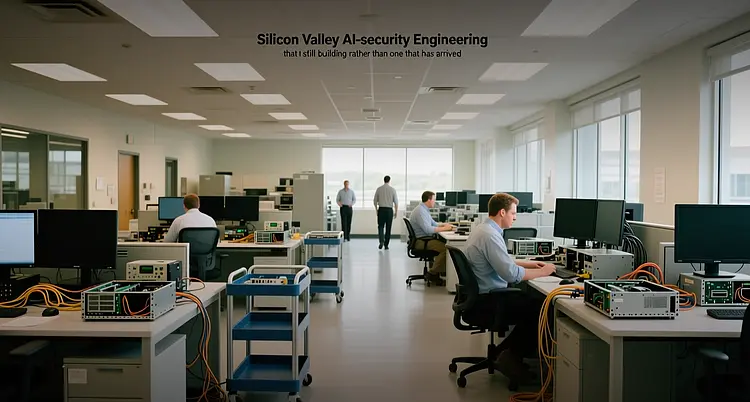
The transaction reframes what RAIN is. Rain Enhancement Technologies, the wholly owned subsidiary that gave the holding company its name, develops ionization precipitation generation technology that enhances rainfall and snowpack, plus fog mitigation applications. Tensor Networks, founded in 2019 and based in Sunnyvale, California, develops predictive AI infrastructure technology built around what it calls "Safe AI," including the patent-pending Predictive Tensor Control Plane and Tensor Network Quantum Gravity frameworks. PTCP pairs predictive workload orchestration with topological caging, an approach designed to isolate AI workloads behind independent hardware boundaries intended to contain threats and limit data exfiltration or lateral movement. The company says the technology is built to work alongside existing enterprise security platforms and to trigger hardware-level safeguards, developed in part through three U.S. Air Force contracts it has been awarded and delivered against. Post-provisional utility patent applications were submitted in 2026.
Harry You, chairman of RAIN's board, tied the deal to the same infrastructure thread as the legacy business. "RET's work with data center customers is accelerating, and water is an increasingly important part of that conversation," he said. "Tensor Networks addresses a different piece of that same infrastructure picture."
The two operating companies would not be merged. RET and Tensor Networks would each continue as a wholly owned operating subsidiary of RAIN, pursuing its own commercial strategy under its own management team, sharing general and administrative resources. That makes RAIN a multi-technology holding company rather than a combined rainfall-and-AI business — a distinction that matters for how investors value the two revenue streams separately.
The announcement is a binding letter of intent, not a definitive agreement, and the gap between the two is where the deal's risk sits. Completion remains subject to due diligence, negotiation and execution of a definitive transaction agreement, Nasdaq granting RAIN's pending request for continued listing, Nasdaq approval of the combined company's initial listing application, and other customary closing conditions. The company's own risk disclosure flags that the terms in any definitive agreement may differ materially from those in the binding LOI.
For a micro-cap issuer, the $25 million minimum financing is the binding constraint. It is a condition to closing rather than an aspiration, and its net proceeds are committed to the target's growth and working capital — meaning the capital raise funds Tensor Networks, not the legacy rainfall business. The equity split compounds the point: existing RAIN holders absorb roughly 90% dilution before that financing is layered on, so the value of their stake depends almost entirely on whether the AI-security narrative re-rates the combined entity above the pre-deal market value.
The Nasdaq conditions add a second gate. RAIN must first win its pending continued-listing request, then secure approval of the combined company's initial listing application — two separate regulatory steps that sit outside the parties' control and ahead of any shareholder vote.
The precedent for this kind of structure is instructive. Reverse splits of ownership in all-stock combinations between a listed shell and a private operating company typically transfer control to the private side's holders and management, with the listed vehicle's legacy shareholders retaining a minority stake and the deal contingent on a concurrent financing. When those financings fail to clear their minimum, the definitive agreement stage is where such transactions most often stall.
What happens next is procedural and dated. The parties move to due diligence and definitive documentation, RAIN intends to file an information statement with the SEC covering the transaction, and the financing must be raised and both Nasdaq approvals obtained before a first-quarter 2027 close. If the definitive agreement is signed and the $25 million clears, Frazier takes the CEO seat and Tensor Networks' Safe AI technology becomes the primary equity story attached to the RAIN ticker. If the financing or either Nasdaq condition fails, the binding LOI expires without a transaction and RAIN remains a weather-modification company with its existing debt structure intact.
This article is for informational purposes only and does not constitute investment advice.