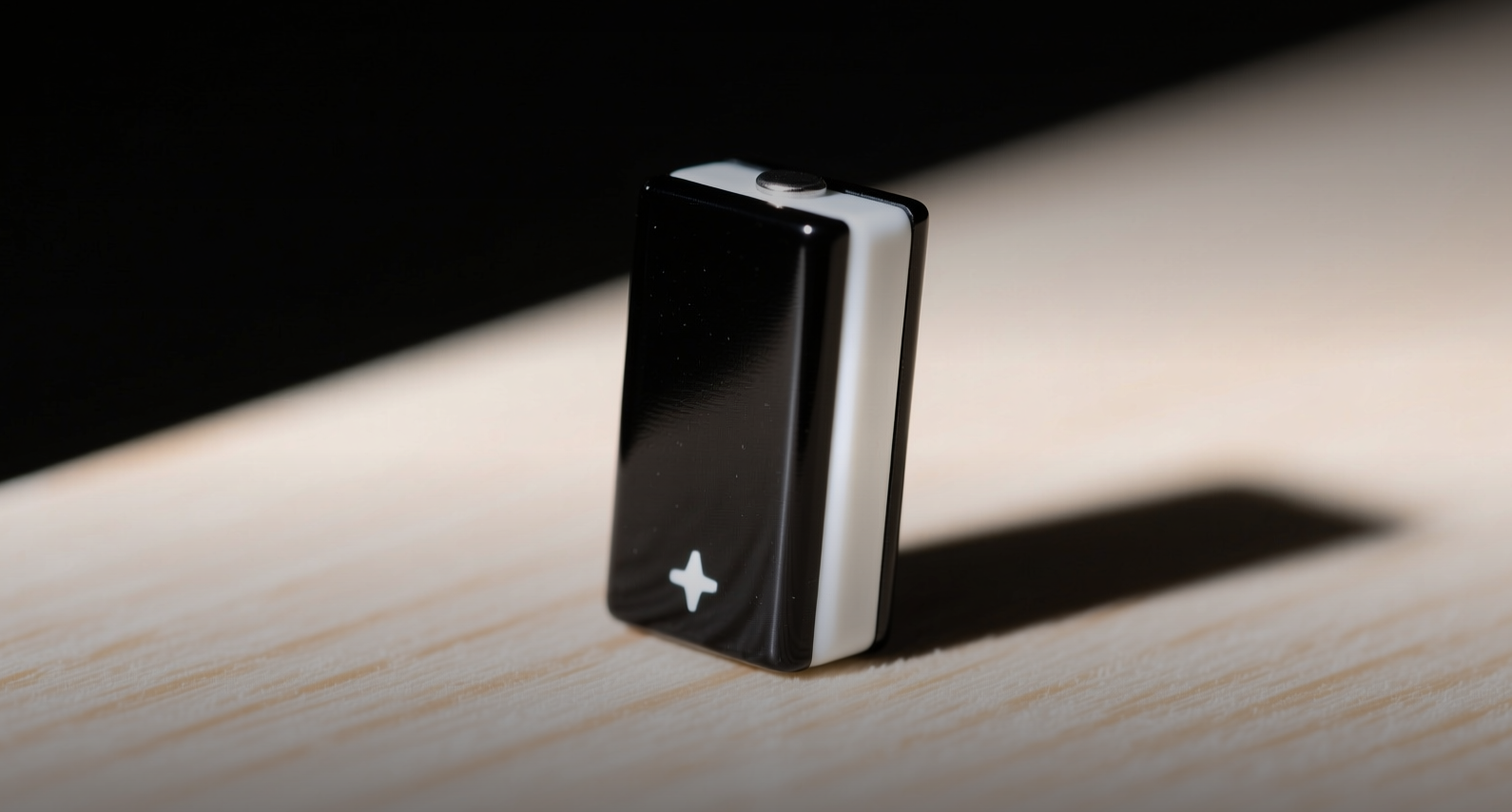
QuantumScape's solid-state battery technology passed one of its toughest tests yet — a technical evaluation by Honda — leading to a joint research agreement that sent QS shares up 12 percent in extended trading.
"QS technology demonstrated compelling and unique advantages during our evaluation," Atsushi Ogawa, chief operating officer of the Research Center of Excellence at Honda R&D, said. "We see potential for QS technology to add value across a range of applications, including automotive."
The multi-year program covers solid-state battery development and manufacturing processes. It follows Honda's hands-on technical study of QuantumScape's platform, which included competitive benchmarking across a range of standard tests. QS closed at $6.90 on Wednesday before jumping to $7.74 in after-hours trading, giving the San Jose-based company a market capitalization of about $4.24 billion.
The partnership adds Honda to QuantumScape's roster of automotive collaborators and provides a second major OEM validation after the company's existing work with Volkswagen's battery unit. Solid-state batteries promise higher energy density and faster charging than conventional lithium-ion cells, though scaling production to automotive-grade volumes remains the industry's central challenge.
QuantumScape, founded in 2010 and led by Chief Executive Officer Siva Sivaram, replaces the liquid electrolyte found in traditional lithium-ion batteries with a solid ceramic separator. The company operates pilot production lines in the US and Germany and holds a portfolio of patents covering cell architecture and manufacturing techniques.
The Honda deal comes as automakers race to secure next-generation battery technology. Toyota has targeted solid-state battery production for the early 2030s, while Samsung SDI and Panasonic are pursuing similar chemistries. Chinese battery giant CATL, the world's largest battery maker by market share, has also invested in solid-state research.
QuantumScape shares have fallen 34 percent year-to-date and trade at 3.2 times book value. The stock carries a consensus "Reduce" rating from seven analysts, with a mean price target of $11.13 — implying roughly 61 percent upside from Wednesday's close. The company has not yet reported product revenue and posted a net loss of $477.9 million in its most recent fiscal year.
This article is for informational purposes only and does not constitute investment advice.