
PegBio's stock surged 40% after partnering with Rani Therapeutics to develop oral versions of its obesity drug candidates using a needle-free delivery platform.
PegBio's stock surged 40% after partnering with Rani Therapeutics to develop oral versions of its obesity drug candidates using a needle-free delivery platform.
PegBio's stock surged 40% after partnering with Rani Therapeutics to develop oral versions of its obesity drug candidates using a needle-free delivery platform.
PegBio Co-B shares surged 40% after the Chinese biotech partnered with Rani Therapeutics to develop oral versions of its obesity drug pipeline, eliminating the need for injections that deter many patients from existing treatments.
"The RaniPill platform is uniquely positioned to unlock the full potential of PegBio's molecules by delivering them orally," Michael Xu, Chief Executive Officer of PegBio, said.
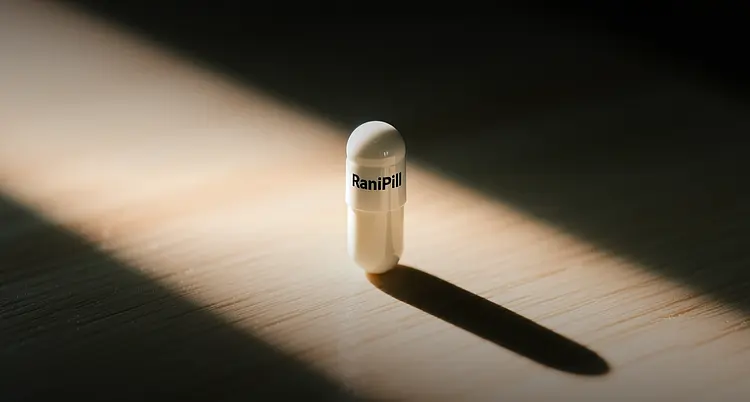
The collaboration, formalized through a memorandum of understanding on July 8, will use Rani's proprietary RaniPill capsule to conduct oral formulation screening and preclinical development across multiple PegBio candidates targeting obesity and metabolic diseases. PegBio shares closed at HK$7.77 on July 10, up 40.51%, with turnover reaching HK$467 million on volume of 64.97 million shares.
The deal expands Rani's obesity franchise beyond its existing programs, including RT-114, a GLP-1/GLP-2 dual agonist in Phase 1 trials with ProGen. Rani has also completed preclinical studies on semaglutide showing comparable bioavailability and weight loss to subcutaneous injections, suggesting the platform could address a key barrier in obesity treatment — patient aversion to needles.
The RaniPill capsule is designed to replace subcutaneous injections of biologics with oral dosing, a technology that, if successful in human trials, could give PegBio's pipeline a competitive edge against injectable obesity drugs from Novo Nordisk and Eli Lilly. Rani has completed several preclinical and clinical studies evaluating the safety, tolerability and bioavailability of the capsule platform, with data on semaglutide showing comparable pharmacokinetics and weight loss to injected versions.
Under the terms of the agreement, the two companies will collaborate on preclinical development of RaniPill formulations for multiple molecules from PegBio's obesity and metabolic disease portfolio, with the goal of advancing the most promising candidates into clinical development. The partnership also opens the door to broader research, manufacturing and commercialization cooperation in markets outside China.
Talat Imran, Chief Executive Officer of Rani, said the collaboration reflects confidence in the versatility of the RaniPill platform and the company's commitment to giving patients more oral options. PegBio's pipeline, he said, is "aligned with where we see the greatest unmet need and market potential in obesity."
The obesity drug market, dominated by injectable GLP-1 receptor agonists from Novo Nordisk's Wegovy and Eli Lilly's Zepbound, has seen growing demand for oral alternatives as patients seek to avoid needles. Rani's preclinical data on semaglutide — showing comparable bioavailability and weight loss to subcutaneous injections — suggests the platform could capture a meaningful share of that demand if replicated in humans.
Rani, which trades on the Nasdaq, has not disclosed financial terms of the collaboration. The company's existing obesity franchise includes RT-114, a GLP-1/GLP-2 dual agonist being developed with ProGen that is currently in a Phase 1 trial. PegBio, listed on the Hong Kong Stock Exchange, brings a portfolio of novel molecules targeting multiple mechanisms of action in obesity and metabolic disease.
For investors, the partnership provides PegBio with a potential path to differentiate its pipeline through oral delivery at a time when the obesity market is becoming increasingly crowded. Rani gains access to multiple preclinical candidates that could expand its pipeline beyond its current programs, though both companies face the risk that oral formulations may not replicate the efficacy of injected biologics in human trials.
This article is for informational purposes only and does not constitute investment advice.