

Key Takeaways:
- Papa Johns plans to shutter up to 300 locations by 2027
- Two-thirds of closures expected this year across 17 states
- North American same-store sales fell 6.4% in the first quarter
Key Takeaways:
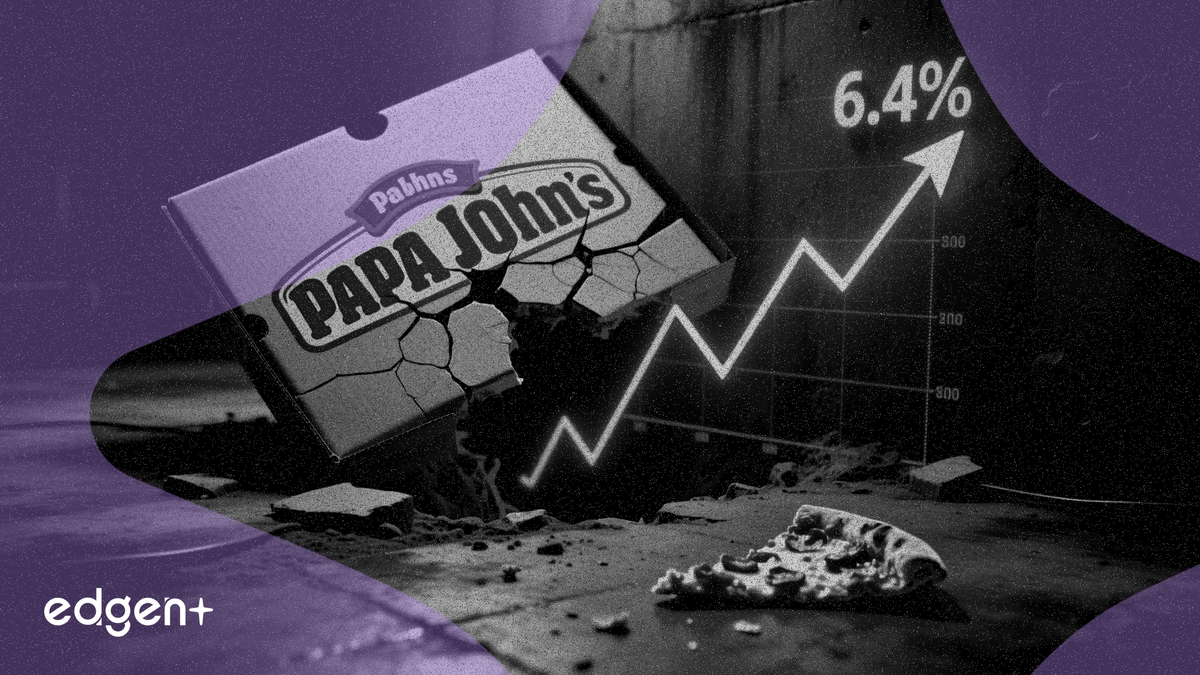
Papa Johns International plans to close up to 300 franchise-owned stores by 2027, targeting locations generating less than $600,000 in annual sales.
"The closures are part of a transformation plan to strengthen our franchise network," the company said in its February announcement, without specifying which locations would be affected.
More than 40 locations have already closed this year across 17 states, according to Fast Company. Texas led with 12 closures, followed by California and Florida with five each. Arizona had four closures, while North Carolina had three. Other states with closures included Alabama, Colorado, Georgia, Illinois, Michigan, Missouri, New York, Ohio, Oklahoma, South Carolina, Virginia and Wisconsin. The chain operated 3,487 locations in North America as of the end of March, most of which are franchised.
The closures come as Papa Johns faces intensifying competition from fast-food rivals and changing consumer preferences. North American same-store sales fell 2 percent in the 2025 fiscal year and dropped another 6.4 percent in the first quarter of 2026, according to the company's annual report. The accelerating decline suggests the chain's efforts to reverse the trend have yet to gain traction.
Shares of Papa Johns have declined about 21 percent year to date, compared with an 8 percent gain in the S&P 500. Over the past five years, the stock has lost nearly 70 percent of its value, reflecting persistent operational challenges and market share losses.
Rival Pizza Hut has also closed several locations, and its parent company, Yum Brands, is reportedly exploring a sale of the chain. The broader fast-food sector has faced pressure from rising operating costs and increasingly price-sensitive diners, with chains across the industry reevaluating their store footprints. Domino's, another major competitor, has maintained a more aggressive expansion strategy, widening the gap with Papa Johns.
The company's struggles reflect broader headwinds for legacy pizza chains. Changing consumer tastes have shifted demand toward fast-casual and quick-service alternatives, while delivery aggregators have intensified price competition. Papa Johns' franchise-heavy model limits its ability to force operational changes at underperforming locations.
The store closures indicate that Papa Johns' franchise network is underperforming, with same-store sales declining at an accelerating rate. Investors will watch for second-quarter results and any updates on the closure timeline for the remaining locations targeted through 2027. The company has not disclosed how many jobs could be affected by the closures.
This article is for informational purposes only and does not constitute investment advice.
