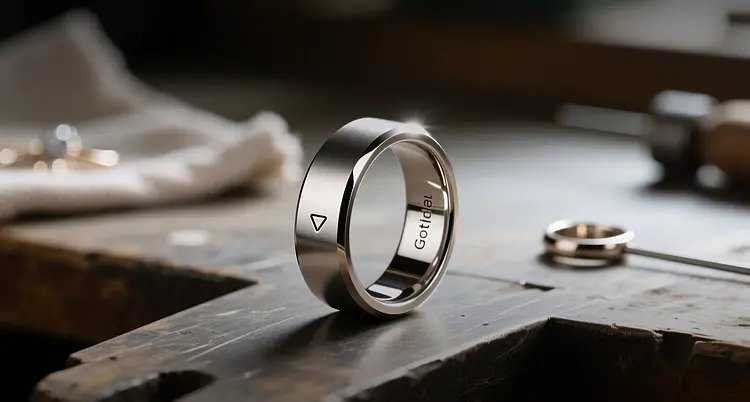
Oura Inc. plans to sell 50 million shares at $40 to $44 each on Nasdaq, a deal worth up to $2.2 billion in which existing holders — not the company — take the bulk of the proceeds. Only 13.5 million shares are new stock issued by Oura; the remaining 36.5 million come from backers including Forerunner Ventures and Lifeline Ventures, according to the filing the Helsinki-based company submitted Monday with the US Securities and Exchange Commission.
"The secondary mix tells you what the cap table has been waiting for," said Tom Brennan, an analyst covering IPO and M&A deal flow, said. "When 73 percent of a deal is insider stock, the offering is a liquidity event first and a growth financing second."
At the midpoint of the range, the primary tranche raises roughly $567 million before fees, against a fully diluted valuation of $15.62 billion. That is a step up from the roughly $11 billion private mark Reuters reported last year, and it lands while bond yields are higher and the Federal Reserve's path is less predictable — conditions that push up the discount rate applied to future profits and hit fast-growing hardware companies first.
The financials cut both ways. Revenue for the nine months ended June 30 rose 74 percent from a year earlier to $1.21 billion, and Oura sold 3.6 million rings in the 12 months through June. Net losses over the same nine months widened to $924.3 million from $182.8 million, a figure larger than the primary proceeds the company expects to bank. Management is leaning on recurring revenue to bridge the gap, projecting about 5.7 million paid members by fiscal 2026 against roughly 5 million today, with women accounting for 72 percent of the customer base.
Goldman, Morgan Stanley and JPMorgan lead a 19-bank syndicate
Goldman Sachs, Morgan Stanley and J.P. Morgan are lead underwriters, with Allen & Company, Jefferies, BofA Securities, Barclays, Wells Fargo Securities, Citizens Capital Markets, KeyBanc Capital Markets, Guggenheim Securities, Canaccord Genuity, Needham & Company, Raymond James, Rothschild & Co, Truist Securities, William Blair and Robinhood also in the syndicate. Two anchor indications are on the book: Eli Lilly has signaled interest in up to $100 million of the offering and Dragoneer up to $300 million, together covering about 18 percent of the deal at the top of the range.
The structure echoes the 2021 cohort of consumer hardware listings, when founders and venture backers routinely sold into the IPO rather than after lock-up expiry. What differs is the rate environment. After the previous cycle of consumer-tech debuts priced into rising yields, several traded below their offer price within six months, and underwriters responded by cutting deal sizes and raising the share of primary stock. Oura is doing the opposite: a larger deal, weighted toward sellers.
Pricing is expected next week, with the shares due to begin trading on Nasdaq under the ticker OURA. A clean print would give private wearables and health-tech candidates — a pipeline that has thinned since 2022 — a fresh valuation reference and could pull other issuers forward. A weak one would suggest the reset from the 2021 playbook still has room to run, and would leave Oura funding a $924.3 million nine-month loss with a balance sheet that received less than a third of the headline raise.
This article is for informational purposes only and does not constitute investment advice.