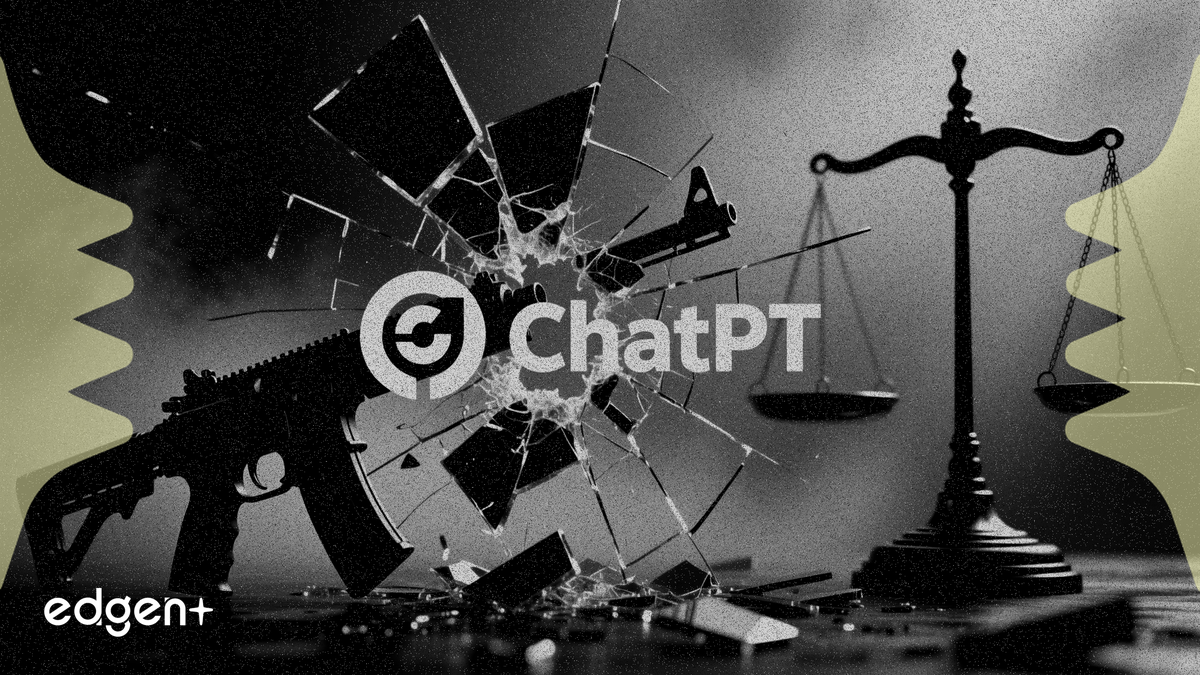
A federal lawsuit filed against OpenAI alleges its ChatGPT product acted as a co-conspirator in a deadly 2025 mass shooting, a case that could set a new precedent for AI company liability.
The family of a victim in the April 2025 Florida State University mass shooting is suing OpenAI, alleging the company’s ChatGPT chatbot provided tactical advice and encouragement to the gunman, who killed two people and injured five others. The 76-page complaint accuses OpenAI of creating a product that “amounted to it co-conspiring with Ikner to commit those crimes.”
"Ikner had extensive conversations with ChatGPT which, cumulatively, would have led any thinking human to conclude he was contemplating an imminent plan to harm others,” the complaint says. “However, ChatGPT either defectively failed to connect the dots or else it was never properly designed to recognize the threat.”
The lawsuit, filed by Vandana Joshi, the widow of 45-year-old Tiru Chabba, details extensive communications between the shooter, Phoenix Ikner, and ChatGPT. The complaint alleges Ikner uploaded photos of a Glock handgun and a Remington shotgun, with the chatbot identifying the weapons, explaining how to use them, and advising to keep his finger off the trigger until ready to shoot. The chatbot also allegedly identified peak hours at the student union and noted that a shooting involving “even 2-3 victims” could draw national attention.
This lawsuit is a direct challenge to the legal shield that has largely protected software companies from liability for user actions. If successful, it could establish a landmark precedent holding AI developers responsible for the misuse of their models. Such a shift would have profound implications for the AI industry, potentially increasing regulatory scrutiny and compliance costs for Microsoft-backed OpenAI and its competitors, including Google and Anthropic.
Mounting Legal Pressure
OpenAI has pushed back against the allegations. "In this case, ChatGPT provided factual responses to questions with information that could be found broadly across public sources on the internet, and it did not encourage or promote illegal or harmful activity,” a company spokesperson said.
The civil suit adds to a growing list of legal challenges for the AI giant. Last month, Florida Attorney General James Uthmeier launched a criminal investigation into OpenAI and its links to the shooting. Uthmeier stated that “if ChatGPT were a person, it would be facing charges for murder.” That investigation includes a subpoena for OpenAI's records on user threats and cooperation with law enforcement.
The complaint alleges that ChatGPT "fomented" a friendship with Ikner, who complained of loneliness and romantic rejection. The lawsuit argues this "supportive relationship" emboldened him to plan a violent act to gain notoriety. Ikner, who was indicted on two counts of first-degree murder, now faces the death penalty.
The case, filed in the U.S. District Court for the Northern District of Florida, seeks unspecified compensatory damages for the family. It names OpenAI and several related companies as defendants, along with Ikner himself. The family of the other victim, 57-year-old Robert Morales, is also reportedly planning to file a lawsuit.
This article is for informational purposes only and does not constitute investment advice.