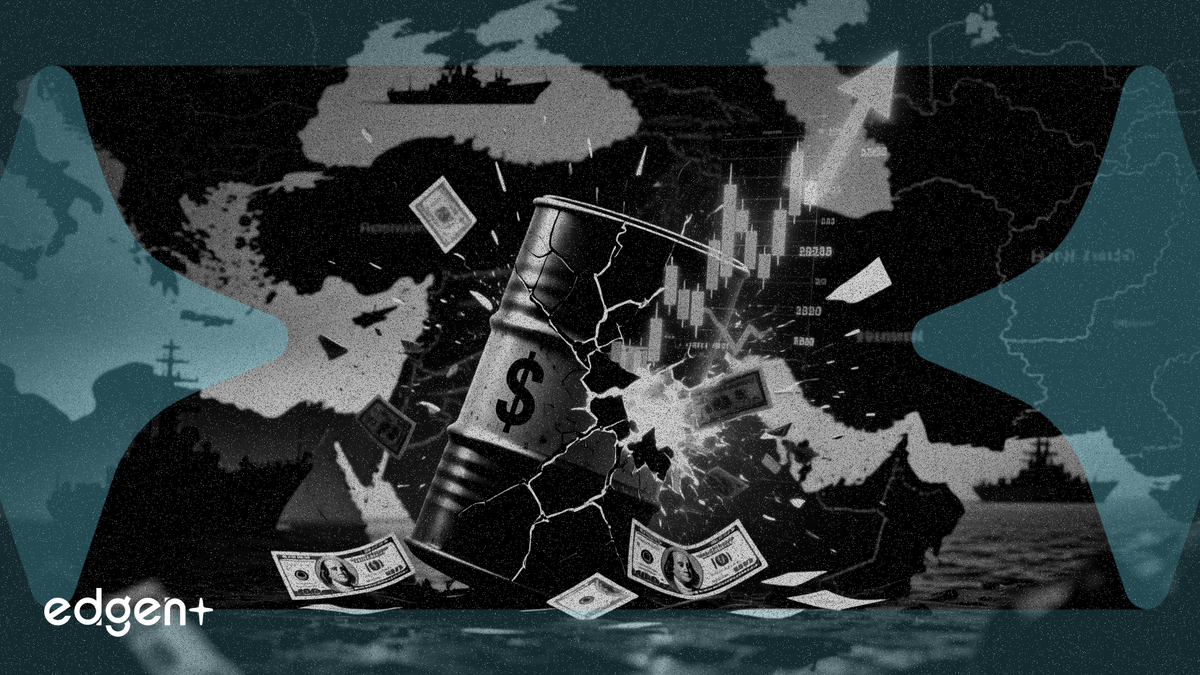
Oil prices pushed higher as a deepening standoff between the US and Iran over the Strait of Hormuz threatens to disrupt nearly 20 percent of the world's energy supply.
Diplomatic efforts have reached an impasse, with Iran stating it will not negotiate a ceasefire until the US lifts its naval blockade, while Washington insists the strait must be fully reopened before any talks can resume.
Brent crude futures increased by 0.4% to $102.33 per barrel, while West Texas Intermediate crude rose 0.6% to $93.52 per barrel. The price surge follows Iran's seizure of two vessels, which has severely limited shipping activity in the critical waterway.
With the conflict now in its eighth week, the standoff has created one of the worst energy crises in decades, pushing prices up from a pre-conflict level of around $70 a barrel and threatening to drive inflation in energy-dependent economies.
Diplomatic Deadlock
Hopes for a de-escalation faded as both Washington and Tehran withdrew from potential peace discussions in Pakistan. Iran's refusal to engage in talks without the lifting of the US naval blockade has been met with a firm stance from the United States, which demands the full reopening of the Strait of Hormuz as a precondition for any meaningful agreement. This stalemate has created a precarious geopolitical impasse, heightening risks for global oil supply chains.
The international community is closely watching the situation, as prolonged instability in the Middle East could continue to push oil prices higher. The lack of progress in diplomatic negotiations keeps global energy markets on edge, driving volatility in crude prices that disproportionately impacts economies in Asia and the Middle East reliant on energy imports.
Waterway Choke Point
Tensions escalated further after Iran's Revolutionary Guards seized two vessels in the Strait of Hormuz, claiming they had violated maritime regulations. This action marked a significant intensification of the conflict, effectively restricting traffic through the waterway that handles almost a fifth of the world’s oil and gas.
In response, the U.S. continues to enforce its naval blockade against Iran, redirecting vessels and adding pressure to Iran's economy. The conflict, which began in late February, has seen crude prices fluctuate dramatically from a pre-war level of roughly $70 a barrel to spikes of more than $119. Even if a deal to reopen the strait emerges, analysts warn it could take months for tanker traffic and oil shipments to return to normal levels, a factor that could keep fuel prices elevated for an extended period.
This article is for informational purposes only and does not constitute investment advice.