


NATO chose a Swedish surveillance plane over a US rival, marking a strategic shift in allied defense procurement.
NATO chose a Swedish surveillance plane over a US rival, marking a strategic shift in allied defense procurement.
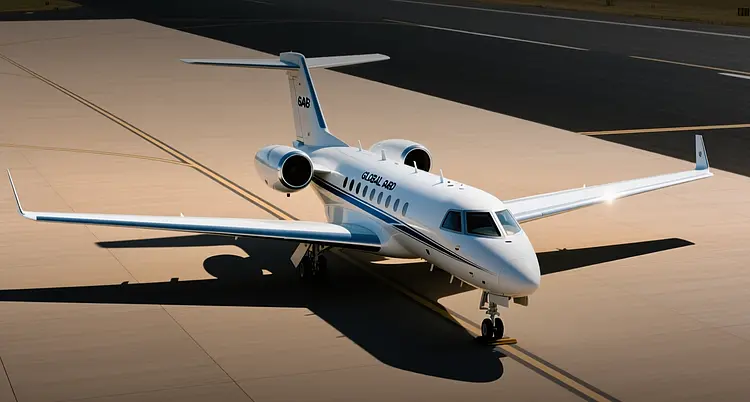
NATO chose a Swedish surveillance plane over a US rival, marking a strategic shift in allied defense procurement.
NATO announced a roughly $4.5 billion plan Tuesday to buy up to 10 Saab GlobalEye surveillance planes, replacing its Cold War-era AWACS fleet with a Swedish system over a competing offer from Boeing.
"This will ensure we keep NATO's surveillance and early warning capability strong and credible for decades to come," Mark Rutte, NATO secretary-general, said at the alliance's summit in Ankara.
The GlobalEye, mounted on Bombardier Global 6500 business jets, will replace Boeing E-3 Sentry aircraft that have served since the 1980s. Saab CEO Micael Johansson said deliveries could begin by 2030 if a deal is signed soon, with the final price estimated between $400 million and $450 million per plane. Eleven allied nations — including Belgium, Canada, Germany, the Netherlands, and Sweden — are participating in the joint procurement.
The decision delivers a blow to Boeing's defense business and signals NATO's willingness to prioritize European solutions even as US President Donald Trump presses allies to buy American equipment. The alliance had initially planned to acquire Boeing's E-7 Wedgetail but scrapped that order in November 2025 after the Trump administration signaled it would cancel the program.
The selection follows months of uncertainty over the AWACS replacement. NATO had committed to buying six E-7 Wedgetail aircraft under its initial Allied Future Surveillance and Control project, but allies walked away from the deal after the Pentagon threatened to cancel the program. Defense Secretary Pete Hegseth later reversed course following pushback from US lawmakers, but by then the alliance had shifted toward Saab.
Swedish Prime Minister Ulf Kristersson called the procurement "a moment of great pride for Sweden." He said the aircraft would operate from Swedish bases by 2027, underscoring Stockholm's deepening integration into NATO's defense architecture since joining the alliance.
The GlobalEye is designed for airborne, maritime, and ground surveillance through an Erieye ER radar capable of operating in severe jamming environments, according to Saab. The aircraft will not initially have mid-air refueling capability — a feature the current AWACS fleet uses for missions near Ukraine — though NATO expects to add it in a later upgrade.
The NATO deal adds to Saab's growing order book. France finalized a 12.3 billion Swedish kronor ($1.3 billion) contract for two GlobalEye aircraft in December, with an option for two more. Canada opened talks with Saab in May for a potential purchase. Johansson said Germany and Poland have also expressed interest.
The shift toward European suppliers comes as NATO members face pressure from Washington to meet the alliance's 2% of GDP defense spending target. Trump has repeatedly criticized European allies for relying on US security guarantees, and the GlobalEye selection — while a commercial loss for Boeing — may ease transatlantic tensions by demonstrating allied investment in their own capabilities.
For Boeing, the loss of a $4.5 billion NATO contract compounds challenges in its defense unit, which has faced production delays on the E-7 Wedgetail and cost overruns on other programs. For Saab, the deal provides a major revenue stream and positions the GlobalEye as a leading platform for NATO's future surveillance needs. The alliance operates 14 E-3 Sentry aircraft, down from a peak of 18, and the new fleet will restore and modernize its airborne early warning capacity through the 2030s and beyond.
This article is for informational purposes only and does not constitute investment advice.
