
Key Takeaways:
- Natixis reaffirms $4,600/oz year-end gold price target
- Central banks bought 1,000 tonnes annually for four consecutive years
- Gold now accounts for 27% of official reserves, surpassing US Treasuries at 22%
Key Takeaways:
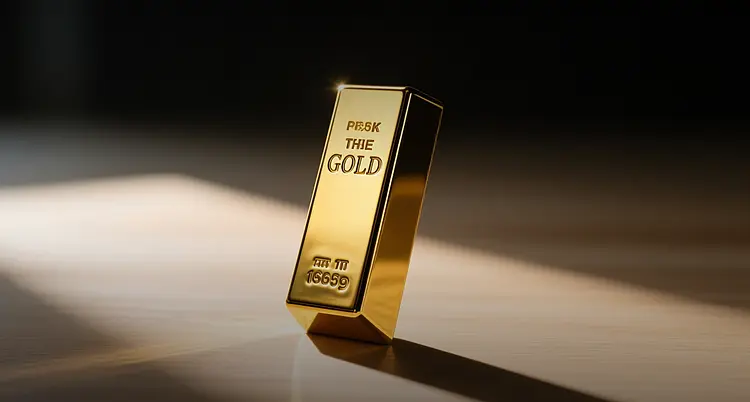
Natixis SA maintained its $4,600 per ounce year-end gold price target, expecting central banks to accelerate purchases after prices corrected from record highs above $5,500.
"The structural drivers for gold remain intact despite the pullback from all-time highs," Bernard Dahdah, senior precious metals analyst at Natixis, said in a note.
Official institutions now hold more than 36,000 tonnes of gold, the highest level since 1975, according to the World Gold Council. Central banks have purchased an average of 1,000 tonnes annually over the past four years, nearly double the pace of the prior decade.
Gold's share of official reserve assets has climbed to 27%, overtaking US Treasuries at 22% for the first time since 1996, European Central Bank data shows. The next catalyst for prices could come as early as August, when the WGC releases its next quarterly central bank survey.
Central Banks Shift Reserves Away From the Dollar
The buying spree gained momentum after Western governments froze roughly $300 billion of Russian reserves held abroad following the 2022 invasion of Ukraine, according to OMFIF. The move highlighted the vulnerability of dollar-denominated assets to financial sanctions, driving reserve managers toward physical gold, which carries no counterparty risk.
A survey of 90 central banks, sovereign wealth funds, and public pension funds managing about $10 trillion found that more managers now plan to cut dollar holdings over the next decade than add to them — the first time the balance has flipped in the survey's 13-year history, OMFIF reported. Nearly four in five respondents expect the global financial system to become more multipolar, with no single currency dominating.
The dollar still accounts for 56.77% of allocated reserves, down from above 70% in the late 1990s, according to the IMF. A net 30% of reserve managers plan to add gold over the next one to two years, the OMFIF survey found.
Gold's Rally Draws Retail and Institutional Demand
China, India, Turkey, Russia, and Kazakhstan have led the latest wave of official gold purchases, the WGC said. A growing number of central banks are also increasing domestic storage of bullion while diversifying overseas vaulting locations, reflecting heightened concerns over geopolitical uncertainty.
The World Gold Council's 2026 Central Banks Gold Reserves Survey found that 89% of reserve managers expect global central bank gold holdings to continue rising over the next year, while a record 45% plan to increase their own reserves. Nearly 83% believe gold will account for a larger share of total reserves over the next five years.
Gold at $4,600 per ounce would still sit well below the all-time high above $5,500 reached earlier this year. The metal has gained roughly 3% in 2026 even as the dollar strengthened, according to market data. COMEX gold futures remain the primary benchmark for price discovery, with LBMA fixing providing the daily reference for physical settlement.
This article is for informational purposes only and does not constitute investment advice.
