

A stronger-than-expected jobs report triggered a cross-asset rout that erased more than $1 trillion from the semiconductor sector alone.
A stronger-than-expected jobs report triggered a cross-asset rout that erased more than $1 trillion from the semiconductor sector alone.
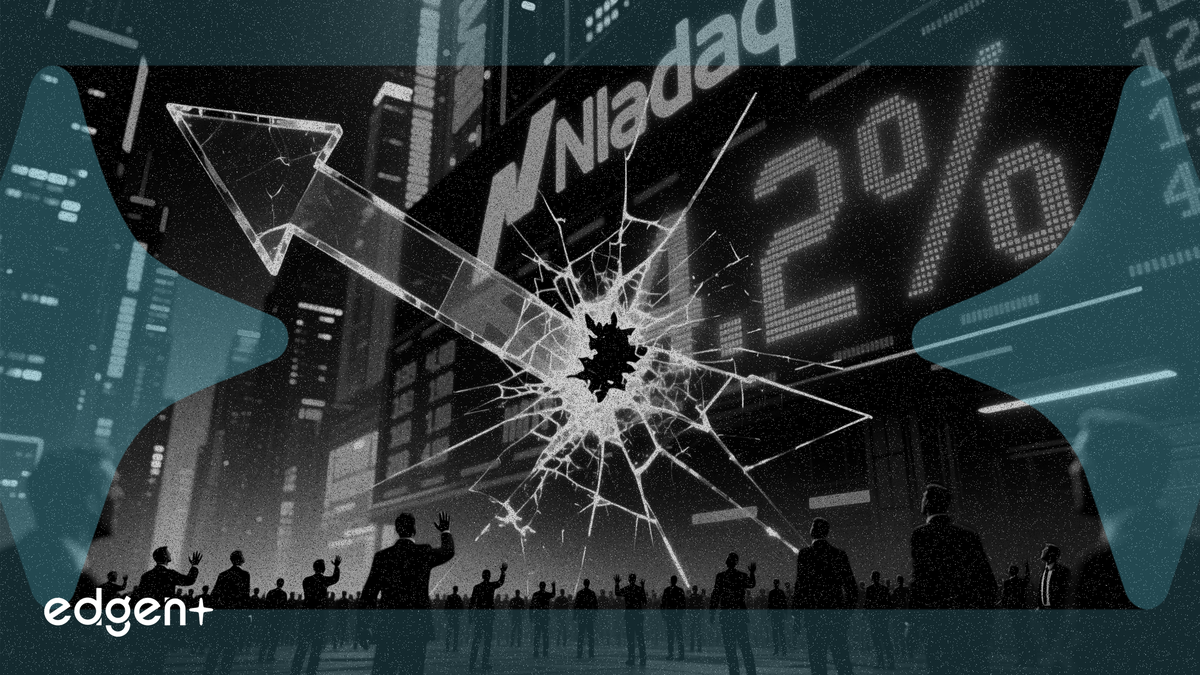
The Nasdaq Composite fell 4.2% on Friday after a stronger-than-expected jobs report boosted bets the Federal Reserve will raise interest rates by year-end.
"Market and economic concentration is in one new sector that is highly volatile and risky — and is super-popular among unsophisticated investors. That's classic bubble stuff," Ray Dalio, founder of Bridgewater Associates, said.
The S&P 500 dropped 2.3% to near 7,427, while the Dow Jones Industrial Average slipped 0.9% to about 51,094. The selloff was concentrated in technology shares, with the PHLX Semiconductor Index slumping almost 8.5% — its steepest one-day decline since the Liberation Day tariff selloff in April 2025. The benchmark 10-year Treasury yield rose 7 basis points to 4.553%, and the 2-year yield settled at 4.160%, its highest level since February 2025. Interest-rate futures showed traders saw a 43% chance of one rate increase by year-end, up from 38% a day earlier.
The rout leaves investors navigating a crucial inflation report this week that could cement rate-hike expectations, while a record $1.75 trillion initial public offering from Elon Musk's SpaceX and an $85 billion equity raise by Alphabet threaten to test the market's capacity to absorb new shares.
The selloff was triggered by a Labor Department report showing U.S. employers added 172,000 jobs in May, with prior months revised up by 93,000. The data reinforced the view among some Fed officials that inflation — already pushed higher by the Iran war's energy shock — remains a bigger concern than the labor market.
Chipmakers bore the brunt of the damage. Nvidia fell about 6%, losing more than $300 billion in market value. Micron Technology tumbled 11%, erasing $127 billion, while Marvell Technology dropped 12% and AMD lost 10.5%. Broadcom, one of the biggest beneficiaries of the AI boom, fell 7.5%, bringing its two-day loss to 19% after its quarterly report showed demand for custom AI chips falling short of expectations.
"You've had a lot of people here that were just blindly buying the dip," said Dennis Dick, a proprietary trader at Triple D Trading. "Blindly buying the dip had been winning you money, but that ended today."
Despite Friday's losses, the PHLX chip index remains up 75% year to date, highlighting how stretched valuations had become. Liz Ann Sonders, chief investment strategist at the Schwab Center for Financial Research, said inflation is being pushed higher by a broader array of forces than just the Iran war, suggesting prices could stay elevated for longer.
Goldman Sachs analysts told clients they "would be aggressive buyers" of Broadcom after the pullback, citing a "very strong growth outlook for 2027 and beyond."
The coming weeks will test whether the AI trade can regain its footing. SpaceX is set to debut next week at a $1.75 trillion valuation in what would be the largest IPO in history, while Alphabet's surprise $85 billion equity raise — its first major share sale in years — could signal that other tech giants may follow suit, diluting existing shareholders.
"The market has to absorb substantial equity issuance," said Marco Pabst, chief investment officer at Arbion. "The IPO window could close sooner than many expect."
This article is for informational purposes only and does not constitute investment advice.
