SK Hynix and Samsung Electronics face a decade of oversupply risk after pledging nearly 2,000 trillion won in semiconductor investments, Morningstar warned.
South Korea's two largest chipmakers risk creating a memory supply glut over the next decade as their combined ~2,000 trillion won ($1.3 trillion) investment plans outpace demand growth, according to Morningstar.
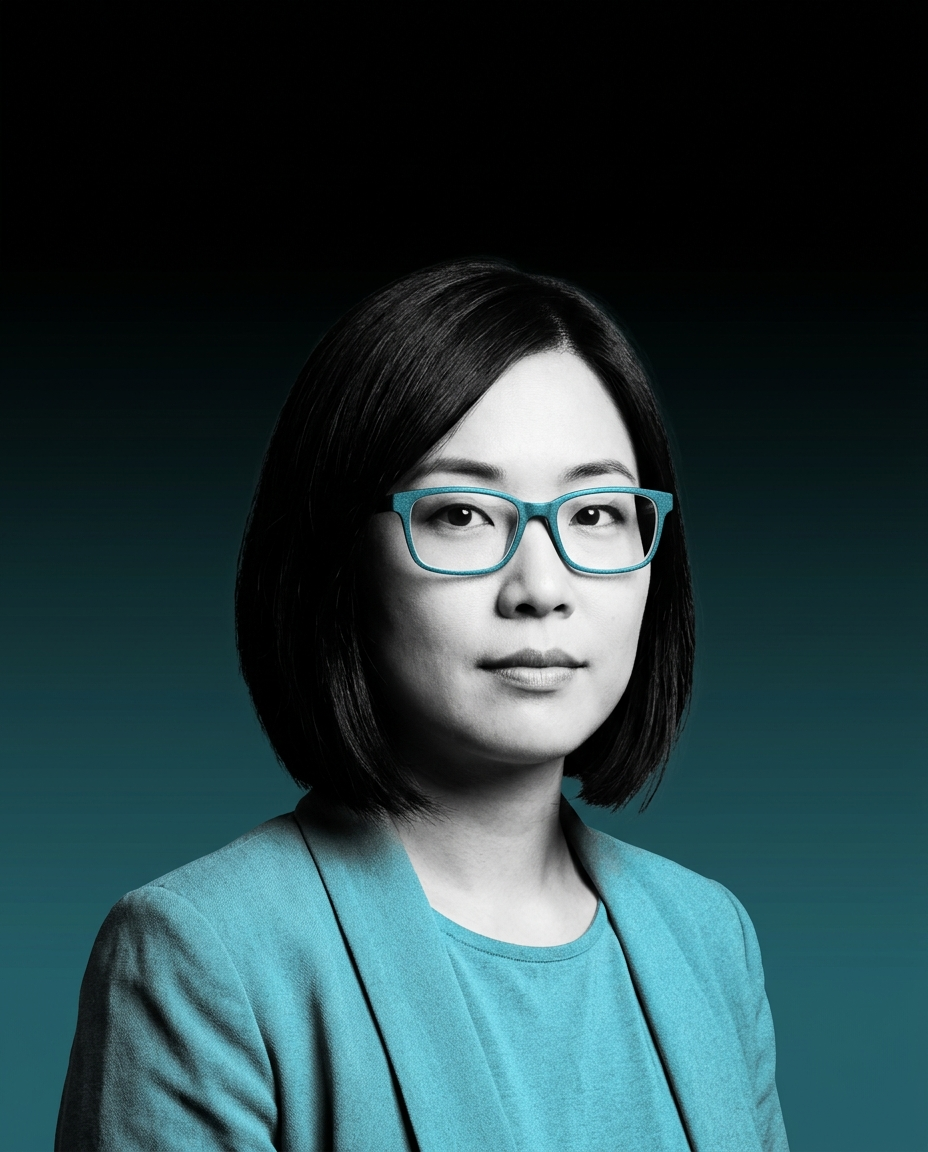
"The new commitments may mean significant oversupply risk exists over the next 10 years," JingJie Yu, equity analyst at Morningstar, said in a note Monday.
SK Hynix's Yongin semiconductor cluster alone carries a total investment commitment of about 600 trillion won, Yu estimated. Samsung Electronics has pledged roughly 1,000 trillion won over the next decade, according to the Korea Economic Daily. The two companies are expected to unveil the plans at a government-led event Monday attended by President Lee Jae Myung, Samsung Chairman Lee Jae-yong and SK Group Chairman Chey Tae-won.
Shares of both companies fell Monday as investors weighed the supply risk. New fabrication capacity typically takes two to three years to come online, meaning initial demand could outstrip supply before a potential glut materializes when peak capacity coincides with a demand slowdown, Yu said.
The Oversupply Calculus
Memory chip shortages, long-term supply agreements and strong cash generation are driving the wave of capacity investment, Yu said. But the cycle is unlikely to sustain over the next decade unless hyperscale cloud providers — the primary consumers of AI memory — maintain sufficient returns on their own infrastructure spending.
SK Hynix has emerged as the leader in high-bandwidth memory (HBM) chips, a critical component for AI servers, helping it surpass Samsung Electronics as South Korea's most valuable publicly traded company. Samsung, meanwhile, is investing heavily to close the gap in advanced memory and foundry services, including its own HBM offerings and logic chip manufacturing on leading-edge nodes.
The investment push comes as the South Korean government accelerates plans for a new semiconductor cluster in the Honam region, even as existing projects in Yongin face delays over land compensation and power infrastructure. Presidential chief of staff Kim Yong-beom said the investment figures "will be very unfamiliar" when announced, adding that the investing entities are "world-class top-tier companies" that cannot be forced.
What's at Stake for Investors
If the supply glut materializes, it could compress margins across the memory industry, affecting not just Samsung and SK Hynix but also global pricing dynamics for consumer electronics, data centers and AI infrastructure reliant on DRAM and NAND chips. US rival Micron Technology and other memory manufacturers would face similar margin pressure.
Yu maintained that memory pricing will remain cyclical over the long term, with new capacity taking years to deliver returns. The question for investors is whether the current wave of investment — fueled by AI-driven demand — will follow the same boom-bust pattern that has historically defined the semiconductor industry. Samsung shares trade at a discount to global peers amid concerns about its foundry competitiveness, while SK Hynix commands a premium on its HBM leadership, a gap that could narrow if oversupply erodes pricing power.
This article is for informational purposes only and does not constitute investment advice.