

Gold will struggle to reach $5,200 an ounce in the second half of 2026 without a meaningful rebound in ETF inflows, according to Morgan Stanley.
Gold will struggle to reach $5,200 an ounce in the second half of 2026 without a meaningful rebound in ETF inflows, according to Morgan Stanley.
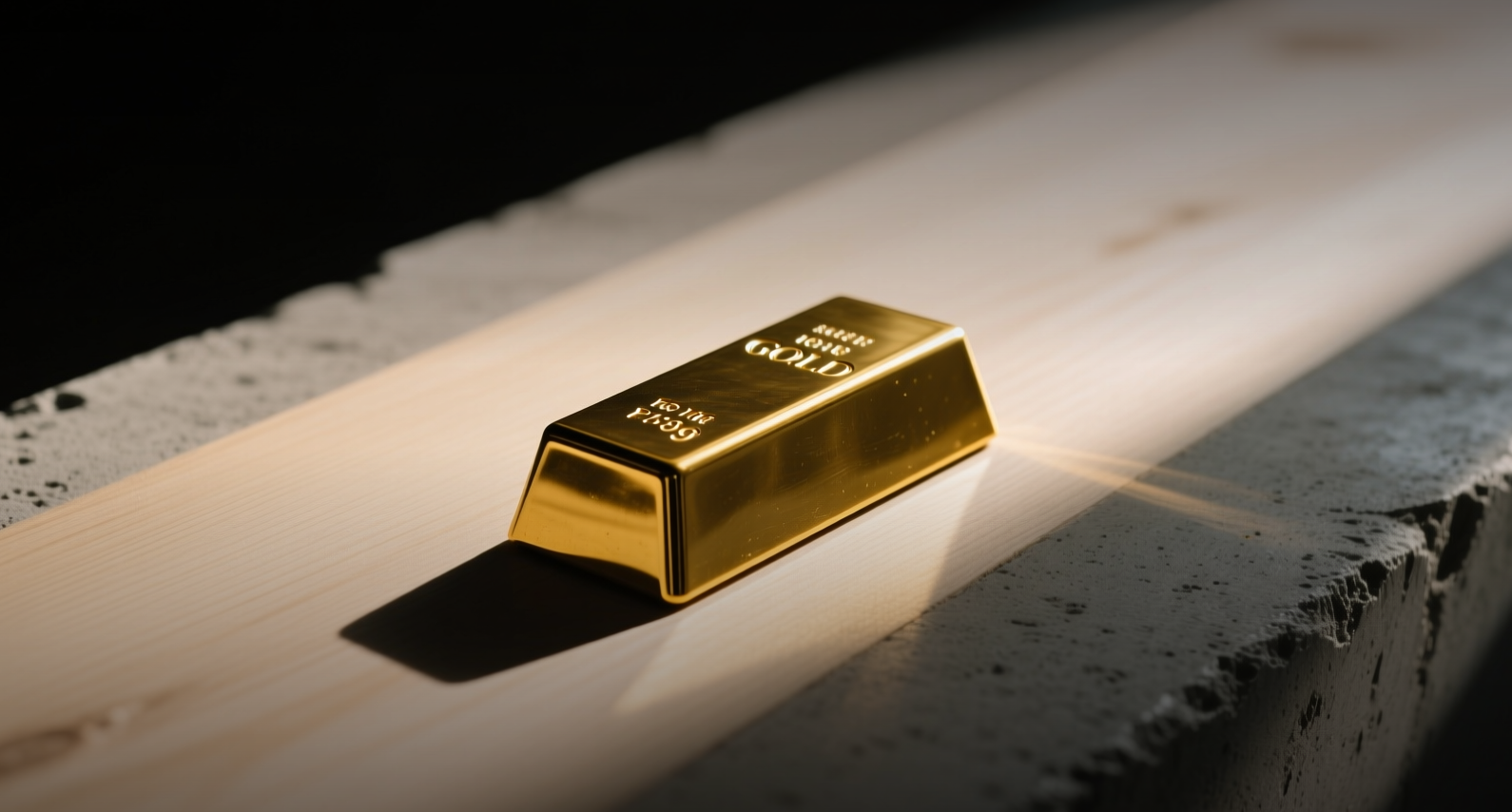
Gold at $4,200 an ounce faces a 24% climb to Morgan Stanley's $5,200 target, a rally the bank says depends on ETF demand.
"While central bank gold buying may resume regardless, ETF flows are more sensitive to changes in rate expectations," analysts Amy Gower and Martijn Rats at Morgan Stanley said in a June 22 research note.
Morgan Stanley cut its gold forecast to $5,200 an ounce from $5,700, joining Goldman Sachs and JPMorgan in trimming near-term projections. Goldman reduced its year-end target by $500 to $4,900 an ounce, citing expectations the Federal Reserve will keep interest rates unchanged through much of next year. JPMorgan lowered its 2026 forecast to $5,243 from $5,708.
Gold has fallen about 26% from its all-time record of $5,626.80 reached in late January during the height of US-Iran tensions. The metal traded near $4,200 an ounce last week, with the Fed's hawkish stance and US inflation at 4.2% in May weighing on investor demand.
ETF Flows vs Central Bank Demand
Gold-backed ETFs have been a key swing factor in the market. These funds attract significant inflows during periods of monetary easing and declining bond yields. With the Fed adopting a more hawkish posture under Chair Kevin Warsh, ETF demand has moderated, Morgan Stanley said. The bank expects ETF flows to recover once interest-rate expectations begin to shift, potentially in early 2027 when the Fed is expected to begin a series of 25-basis-point rate cuts.
Central banks, by contrast, have been a more stable source of demand. Reserve managers purchased more than 1,000 tonnes annually for three consecutive years through 2025, according to the World Gold Council. China, India and several Middle Eastern countries have led the buying as part of efforts to reduce dependence on the US dollar. Morgan Stanley said central bank purchases may resume regardless of the rate environment.
Wall Street's Diverging Views
The range of forecasts highlights the uncertainty. Goldman Sachs sees gold ending 2026 at $4,900 an ounce, with a bear-case scenario of $4,400 if the Fed resumes tightening. Morgan Stanley's $5,200 target implies a roughly 24% upside from current levels. JPMorgan forecasts gold reaching $5,000 an ounce in the fourth quarter.
The next catalyst for gold prices will be the Fed's policy meeting in September, where markets are pricing a potential rate increase. A sustained rally above $5,000 would require both a shift in monetary policy and a resumption of ETF inflows, Morgan Stanley said.
This article is for informational purposes only and does not constitute investment advice.
