

Micron Technology committed $250 million to Trump Accounts, the first major corporate backing of a political figure's branded financial product for American families.
Micron Technology committed $250 million to Trump Accounts, the first major corporate backing of a political figure's branded financial product for American families.
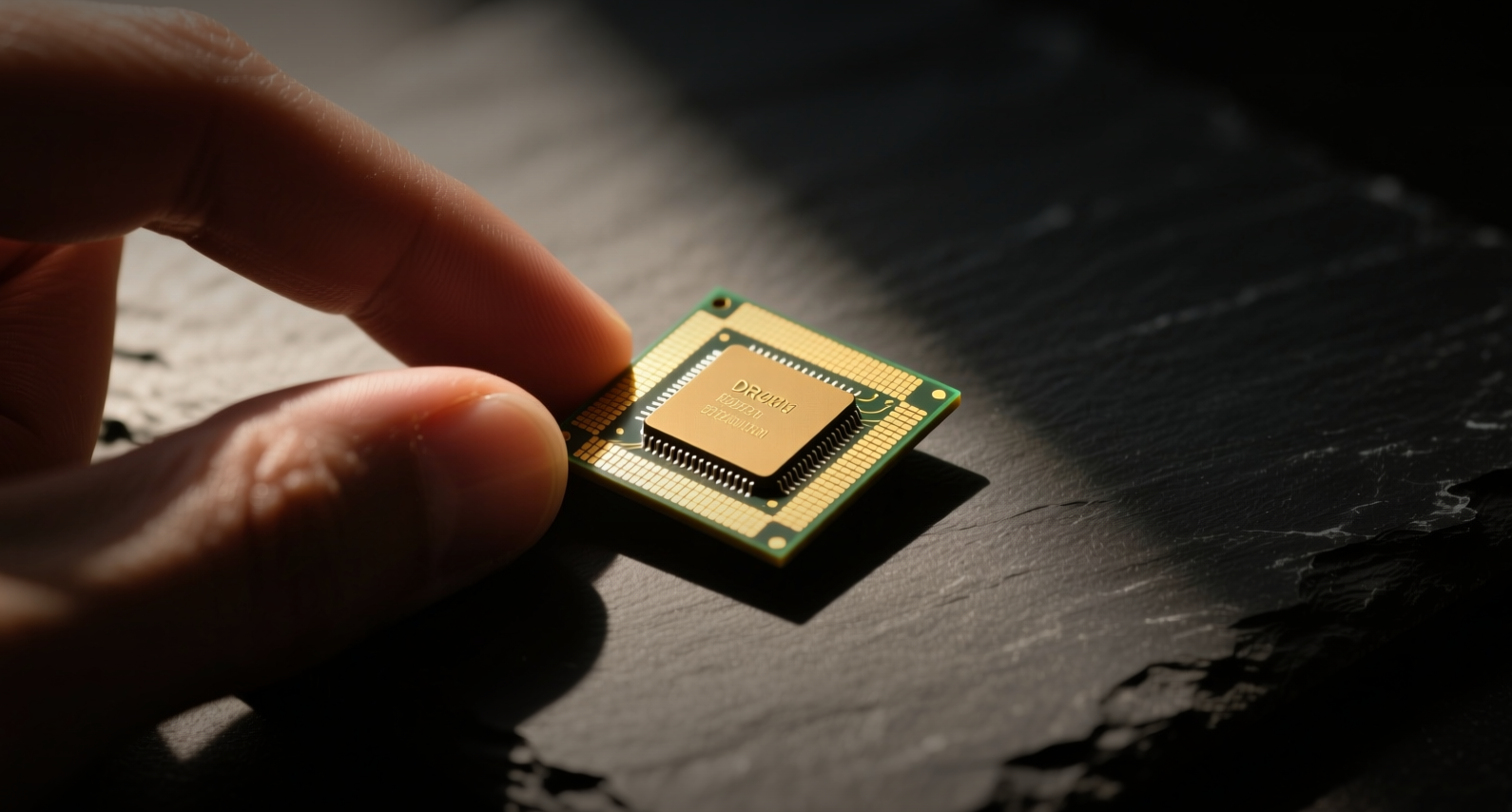
Donald Trump thanked Micron Technology for its $250 million commitment to Trump Accounts, marking the first major corporate investment in the former president's branded financial initiative for US children ahead of its July 4 launch.
"Thank you to Micron Technology for their historic investment in the Trump Account — this will help American families," Trump said in a social media post on July 2.
Micron Chief Executive Officer Sanjay Mehrotra highlighted the company's broader $200 billion US investment footprint as the chipmaker deepened its ties with the former president. The $250 million commitment comes three days before the Trump Account's official launch on Independence Day.
The investment raises questions about the nature of Trump Accounts and the implications for corporate political spending, potentially exposing Micron to regulatory scrutiny as the chipmaker deepens its relationship with the former president.
Corporate Political Spending Under Scrutiny
The Micron commitment represents a new frontier in corporate political engagement, with a major US company directly funding a political figure's branded financial product. The semiconductor industry has become increasingly entangled in US-China trade tensions, with Micron — one of the world's largest memory chipmakers — navigating export controls and seeking government support for domestic manufacturing.
The $250 million investment could face scrutiny from regulators and shareholders concerned about the mixing of corporate funds with political branding. For Trump, the commitment provides a significant financial boost to his accounts initiative, which is set to launch on a date symbolically tied to American independence.
Previous corporate political spending has largely flowed through political action committees and super PACs, which operate under Federal Election Commission disclosure rules. Direct investments in a candidate's branded financial products occupy a regulatory gray area that could attract attention from the SEC and the FEC alike. The lack of established precedent means both regulators and the courts may need to determine how such arrangements fit within existing campaign finance and securities laws.
What the Trump Account Means for Markets
The Trump Account initiative, described as a financial product for US children and families, remains limited in publicly available details. Corporate investments of this nature could set a precedent for other companies seeking to align with political figures, potentially reshaping how corporate political spending is structured.
For Micron, the investment comes as the Boise, Idaho-based company competes with Samsung Electronics and SK Hynix in the global memory chip market. The company has been a beneficiary of the CHIPS and Science Act, which allocated $52.7 billion for domestic semiconductor manufacturing, and has announced plans for a $15 billion fabrication plant in Idaho.
The broader semiconductor sector has been a focal point of US industrial policy, with the Biden and Trump administrations both prioritizing domestic chip production. Micron's $250 million commitment to Trump Accounts adds a political dimension to the company's government engagement strategy, potentially influencing how future semiconductor subsidies and export control policies are shaped. Other chipmakers including Intel and Taiwan Semiconductor Manufacturing Co. have also received significant US government support through the CHIPS Act, though none have made direct investments in political figures' financial products.
Regulatory Questions Remain
The structure of the Trump Account and how Micron's $250 million will be deployed remains unclear. If the accounts function as investment vehicles for children, they may fall under securities regulations requiring registration with the SEC. If they operate as a political fundraising mechanism, FEC disclosure rules would apply.
For Micron shareholders, the key question is whether this investment generates tangible returns — either through favorable policy treatment or improved brand perception — or whether it creates reputational risk that could affect the company's relationships with customers and regulators. The answer may determine whether other corporations follow Micron's lead or wait for clearer regulatory guidance.
This article is for informational purposes only and does not constitute investment advice.
