

Meta is in talks to award Samsung a custom AI chip order worth 10 trillion won, a move that would deepen the social-media giant's push to reduce its dependence on Nvidia's processors.
Meta is in talks to award Samsung a custom AI chip order worth 10 trillion won, a move that would deepen the social-media giant's push to reduce its dependence on Nvidia's processors.
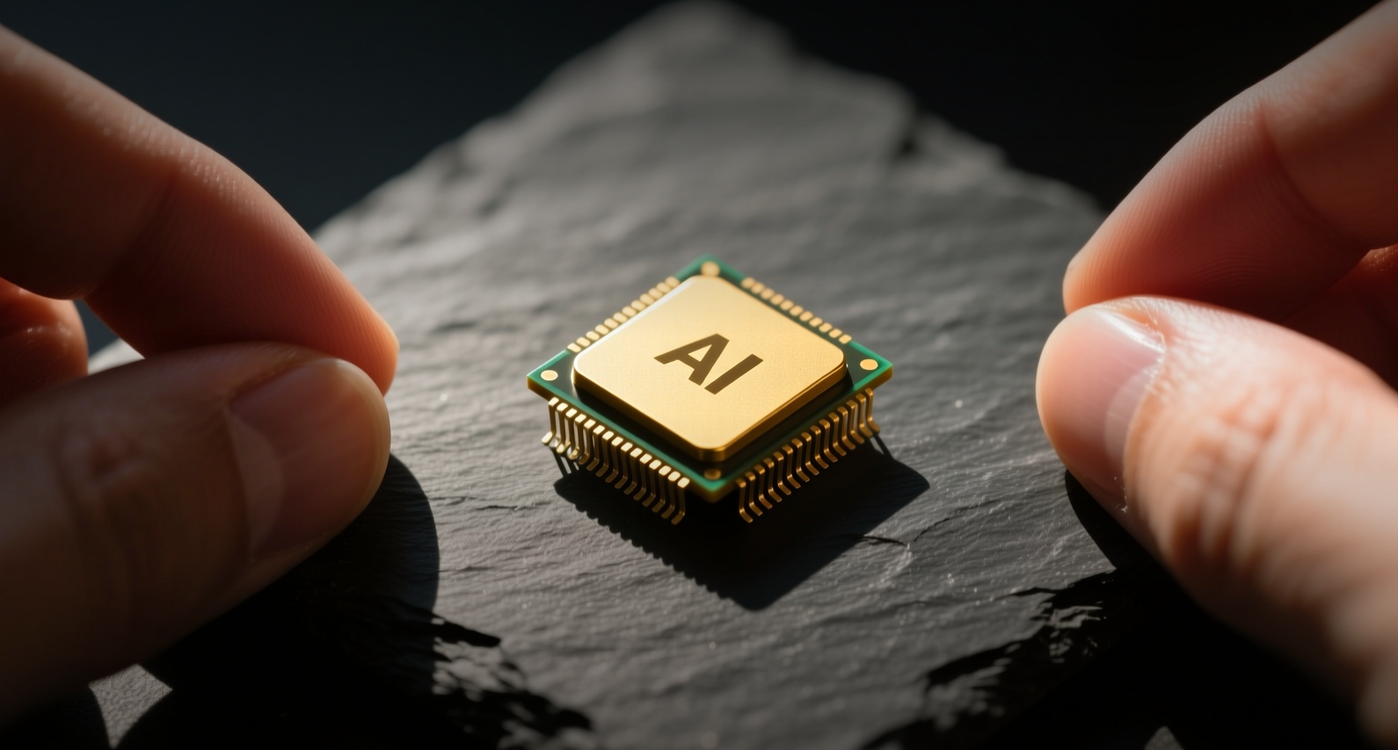
Meta is in talks to commission Samsung to produce custom AI chips worth 10 trillion won ($7.2 billion), a deal that would challenge Nvidia's dominance in the AI semiconductor market and bolster Samsung's foundry ambitions.
"This would be one of the largest custom chip orders in the AI industry and a major win for Samsung's foundry business," a person familiar with the discussions told Chinese financial media outlet cls.cn, which reported the news on July 3.
The order, valued at about 10 trillion Korean won, would cover Meta's next-generation custom AI accelerators built on Samsung's advanced process nodes. The deal comes as Meta deepens its push into proprietary silicon, following the rollout of its Meta Training and Inference Accelerator family. Samsung has been aggressively courting large-scale AI chip clients to close the gap with TSMC, which commands more than 60 percent of the global foundry market.
For Meta, the move could reduce its reliance on Nvidia's H100 and B200 graphics processing units, which have commanded premium pricing amid supply constraints. Nvidia shares fell 1.4 percent in a recent session as the broader semiconductor sector pulled back. A successful custom chip program could save Meta billions in annual procurement costs, though the timeline for production and deployment remains unclear.
The deal would represent a significant validation of Samsung's foundry strategy, which has struggled to win large-scale AI chip orders from major US technology companies. Samsung's chip contract manufacturing division has invested heavily in its 3nm and upcoming 2nm gate-all-around process technology, a transistor architecture that improves performance per watt by stacking nanosheets vertically. Winning a marquee customer like Meta could help Samsung narrow the gap with TSMC, which currently manufactures chips for Nvidia, Advanced Micro Devices and Apple.
The custom AI chip push comes as Meta, along with other hyperscalers including Amazon.com and Alphabet's Google, increasingly designs its own silicon to optimize for specific AI workloads. Amazon's Trainium and Inferentia chips, and Google's TPU line, have demonstrated that purpose-built accelerators can undercut Nvidia's general-purpose GPUs on cost per inference by 40 percent to 50 percent, according to published company benchmarks.
For Nvidia, the competitive threat is mounting from multiple directions. The company's AI chip sales in China have stalled as local rivals such as Huawei Technologies gain ground, and the broader cohort of megacap technology stocks has seen $2.3 trillion in market value erased in June as investors question whether massive AI infrastructure spending will generate adequate returns. Nvidia trades at roughly 35 times forward earnings, a premium that could compress if major customers like Meta begin shifting workloads to in-house alternatives.
Samsung's foundry business has been investing trillions of won to expand capacity, with the South Korean government backing a broader push to solidify the nation's semiconductor leadership. Samsung shares could see a boost from the Meta order, though the company has not confirmed the deal and negotiations may still be in early stages.
This article is for informational purposes only and does not constitute investment advice.
