Meta Platforms opens its annual Connect conference Wednesday with a product lineup that answers its privacy critics more directly than its AI ambitions: smart glasses built without a camera, and a personal AI agent, Muse, that the company has been quietly staffing with human contractors.
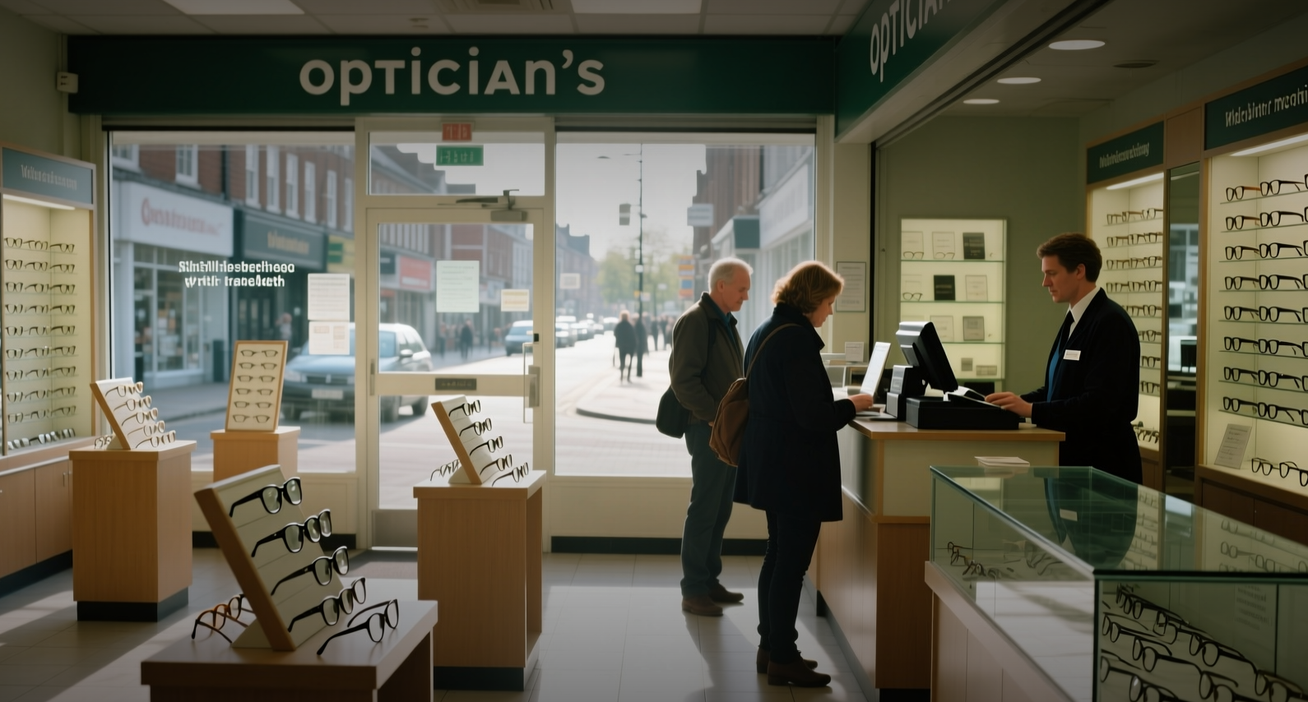
The camera-free glasses mark a reversal in the company's hardware strategy. Every prior generation of Ray-Ban Meta glasses shipped with a camera, and that camera is the source of the legal trouble now shadowing the franchise. Meta faces a privacy lawsuit over the devices, and a UK pub chain has restricted their use over covert recording concerns, according to a Reuters analysis published Sept. 22. Meta has not disclosed pricing, availability, or the sensor stack for the new model, and did not respond to questions about whether the camera removal is permanent or a variant.
The Muse agent carries its own disclosure problem. Reuters reported Sept. 22 that Meta is testing a "human concierge" for Muse, in which human contractors quietly handle some of the phone calls placed through the digital agent, according to internal company posts. Meta has not said what share of Muse interactions route to humans, how those contractors are disclosed to users, or when the agent moves from testing to general release.
Those two threads — hardware that strips capability to survive regulatory scrutiny, and software that adds hidden human labor to appear more capable — describe the same constraint. Meta's AI revenue case rests on consumer adoption of devices and agents that regulators and privacy advocates are actively contesting. Meta shares traded at $751.05, up 1.32%, according to Benzinga quote data, a level that assumes the company converts its 3.2 billion-plus daily users into AI product users without a material regulatory interruption.
The sector backdrop is louder than Meta's own news. Anthropic's IPO process remains live, with investors expecting the company to reach a $2 trillion valuation when it lists, according to Benzinga. SpaceX began trading in June at roughly a $2 trillion valuation, and OpenAI has discussed a funding round at about a $1.2 trillion valuation ahead of a potential listing. Together the three would exceed $5 trillion — more than the $4.1 trillion combined value of the 3,365 U.S. technology companies that went public between 1980 and 2025, based on University of Florida professor Jay Ritter's data cited by the Financial Times.
That comparison is not apples-to-apples. The historical figure is measured at IPO; the Anthropic and OpenAI numbers are prospective valuations, and neither is inflation-adjusted. The scale still reframes what public investors are buying. Private U.S. unicorns are collectively valued at about $5.3 trillion based on their latest funding rounds, per Financial Times estimates, meaning public-market buyers now enter AI companies after most of the private valuation has already been set.
The competitive field around Meta's agent push is crowded and better capitalized on the enterprise side. OpenAI expanded its GPT-6 lineup on Sept. 22 with the Sol and Luna models, priced at half the promotional rates of their predecessors while carrying some capabilities of its flagship Astra. Amazon rolled out new agentic AI for third-party sellers the same day. Alphabet's Google faces a UK regulatory push to place AI assistant choice screens on Android and Chrome, a proposal that would loosen Google's default distribution advantage — the same distribution question Meta's glasses and agent must answer on its own surfaces.
For Meta, the arithmetic that matters is narrower than the sector's. The company's AI spending is justified by engagement and advertising yield on its existing apps, not by a standalone AI subscription. If the camera-free glasses fail commercially, Meta loses a hardware option but keeps the ad business. If Muse's human-concierge arrangement becomes a disclosure issue, the cost is regulatory and reputational rather than directly revenue-linked. Neither outcome is priced as a threat at $751.05 a share.
What the market is actually waiting for is the catalyst the source material declines to name. Barron's framed the piece around "the next big AI catalyst" without identifying it, and that omission is the honest state of play: Meta's conference will produce announcements, Anthropic's filing will produce a number, and neither is the unnamed event the column gestures toward. Investors treating the gap as an opportunity are pricing a headline, not a cash flow.
Meta's conference runs through the week. Anthropic's IPO timeline has not been disclosed.
This article is for informational purposes only and does not constitute investment advice.