

Meta Platforms launched a new line of AI smart glasses starting at $299, undercutting Snap's $2,195 Specs by more than 80 percent in a bid to drive mass adoption of smart eyewear.
Meta Platforms launched a new line of AI smart glasses starting at $299, undercutting Snap's $2,195 Specs by more than 80 percent in a bid to drive mass adoption of smart eyewear.
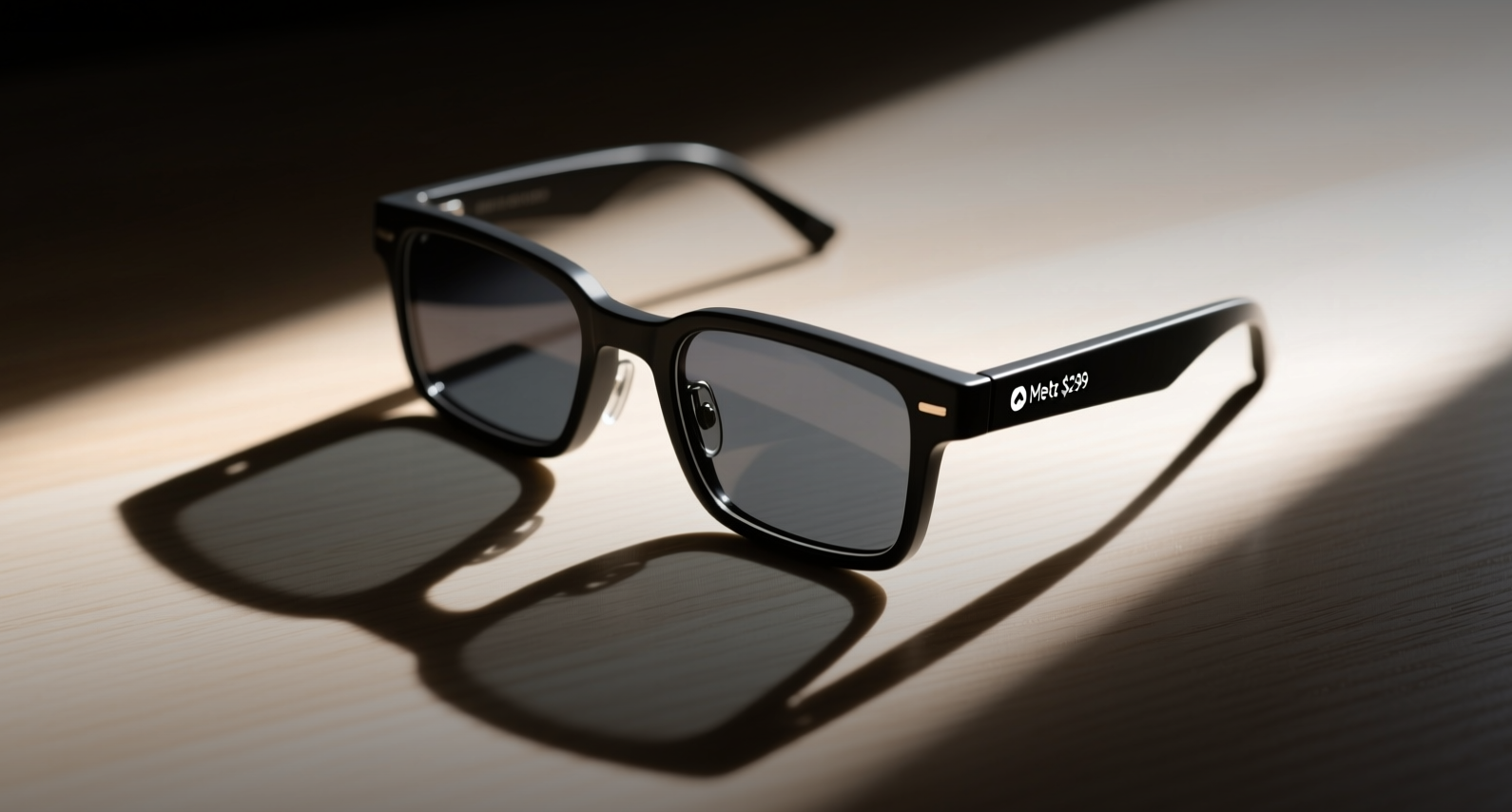
Meta Platforms is betting that $299 — not $2,195 — is the price that finally brings smart glasses to the mainstream, undercutting Snap's newly launched Specs by more than 80 percent.
Meta on Tuesday announced a new collection of AI-powered smart glasses developed with EssilorLuxottica, starting at $299. The Meta Glasses line includes three prescription-ready styles in rectangle, square and oval shapes with clear, sun and Transitions lens options. The launch comes one week after Snap unveiled its Specs AR glasses at $2,195, positioning the two companies at opposite ends of the smart eyewear market.
"More price-sensitive consumers will have an opportunity to experience the power that wearables bring into their everyday lives," Francesco Milleri, chairman and chief executive officer of EssilorLuxottica, said in a statement.
The $299 price point puts Meta's new glasses below the $799 Ray-Ban Display AI glasses the company already sells, and far under Snap's $2,195 Specs and Apple's $3,499 Vision Pro 2 headset. The collection is available immediately on Meta.com in the US, Canada, UK, France, Italy, Germany and Spain, as well as at LensCrafters and Sunglass Hut in the US. The glasses run on Qualcomm Snapdragon processors and include AI features for real-time translation, directions and hands-free calling.
The aggressive pricing signals Meta's intent to dominate the smart eyewear category before it fully matures. EssilorLuxottica, the world's largest eyewear group with brands including Ray-Ban, Oakley and Prada, sold more than 7 million AI glasses in 2025 — up from 2 million in 2023 and 2024 combined — making smart eyewear the group's primary growth driver. The partnership now spans five product lines: Ray-Ban Meta, Oakley Meta, Meta Ray-Ban Display, Ray-Ban Meta Optics and the new Meta Glasses collection.
Why $299 matters for the smart glasses market
The price gap between Meta's and Snap's offerings creates a stark divide in addressable market. Snap's Specs, at $2,195, target early adopters willing to pay a premium for full augmented reality with a 51-degree field of view across both lenses. Meta's $299 glasses strip out the AR display in favor of AI-powered audio and camera features housed in frames that resemble ordinary eyewear.
Consumer adoption of smart glasses remains below 0.1 percent of the global population, according to industry estimates, and about 60 percent of people already wear prescription glasses — a natural addressable market for prescription-ready smart eyewear. S&P Global forecasts 4.2 million display-based smart glasses will ship globally in 2029, up from 1.2 million in 2025, suggesting the category is still years from mass adoption.
Meta's strategy mirrors the playbook it used to dominate virtual reality headsets: launch at a subsidized price point to build an installed base, then layer on higher-margin products. The company's partnership with EssilorLuxottica gives it access to thousands of optical retail locations and established design expertise that Snap, which designs its glasses in-house, lacks.
Competitive landscape heats up
The smart glasses race now includes four major contenders. Meta and EssilorLuxottica lead on volume with seven-figure annual sales. Snap offers the most advanced AR capabilities but at the highest price. Google, partnering with Samsung and eyewear brands Gentle Monster and Warby Parker, is expected to release its AI smart glasses this fall. Apple is expected to enter the market within the next year, leveraging its Vision Pro AR operating system and existing developer ecosystem.
Qualcomm, whose Snapdragon Reality Elite chip promises 60 percent higher GPU performance and 160 percent higher NPU performance versus the prior XR platform, stands to benefit regardless of which glasses maker wins. The chipmaker's platform powers both Meta's and Snap's devices, giving it a gatekeeper role in the emerging category.
For investors, the key question is whether Meta can convert its volume advantage into a durable ecosystem. Meta shares trade at roughly 22 times forward earnings, with the smart glasses business still a fraction of its $160 billion-plus annual revenue. If the $299 price point drives adoption to tens of millions of units, the attach rate for AI services, advertising and commerce could add meaningful revenue. If consumers treat the glasses as a novelty, Meta's hardware investment may take years to pay off.
This article is for informational purposes only and does not constitute investment advice.
