

Meta's privacy fix for its AI glasses may solve one problem while revealing a deeper one.
Meta's privacy fix for its AI glasses may solve one problem while revealing a deeper one.
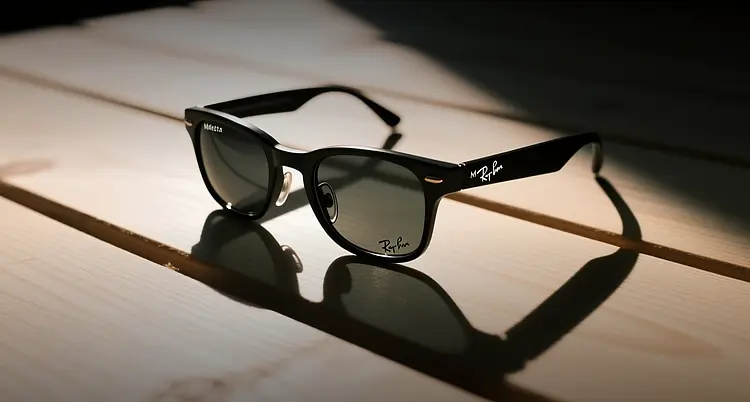
Meta will disable the camera on its AI glasses if the recording indicator light is tampered with, a response to modders who physically removed the LED — and a sign of how badly trust in the product has eroded.
"We are aware of the increasing misuse alongside wider adoption," Alex Himel, Meta's vice president of wearables, told The Verge a few weeks after the company launched cheaper Meta Glasses without Ray-Ban branding last month.
The update builds on a second-generation feature that prompted users to uncover a blocked LED. Modders found workarounds — drilling into the light or using opaque tape — documented on Reddit and 404 Media. The new measure goes further by cutting camera function entirely when tampering is detected, a hardware-level response that previous software prompts failed to stop.
Meta's wearable push depends on consumer trust. The update arrives as New York State, Philadelphia courts, and MSC Cruises restrict camera glasses in public spaces — threatening the addressable market for a product line Meta has positioned as a precursor to full augmented reality. Syracuse.com reported that New York's court system will begin enforcing the ban later this month.
The Privacy Paradox
The announcement follows a Financial Times report that Meta is testing a new generation of "Super Sensing" glasses designed to track everything the wearer sees and hears continuously, with no LED indicator when recording. Zuckerberg described the direction as "a personal agent that's with you all day long, helping you remember things and achieve your goals" during the company's first-quarter earnings call in April. In one reported proposal, raw data would not be stored — only metadata and extracted images for AI queries — but privacy advocates argue the absence of a recording light eliminates any visible deterrent.
The contrast between the privacy update and the reported product roadmap creates a tension that investors must weigh. Meta's wearables division is spending heavily on research and development — the company's total 2025 capital expenditure reached $39.2 billion, much of it directed at AI and hardware — with smart glasses serving as the consumer-facing entry point for its AI strategy. The cheaper glasses launched last month, starting at $299 without Ray-Ban branding, were intended to broaden the user base beyond fashion-conscious early adopters.
Privacy advocates have seized on reports that Meta plans to add facial recognition to the glasses, a feature the company has not confirmed but has not denied. Bad actors have used the current generation to harass young women, according to a CNN report, accelerating the push for venue-level bans. The Verge's own reporting has documented the growing public backlash, with multiple columns examining the surveillance implications of always-on cameras in public spaces.
Investor Implications
Meta shares trade at about 24 times forward earnings, a premium to the S&P 500's 21 times, reflecting investor optimism about the company's AI and hardware roadmap. The privacy backlash introduces execution risk: if venues continue to ban the devices, the volume assumptions baked into Meta's wearable revenue forecasts may prove optimistic.
Apple's rumored smart glasses entry and Snap's continued investment in Spectacles add competitive pressure. Meta's first-mover advantage in AI glasses could erode if privacy concerns slow adoption faster than rivals face similar scrutiny. For now, the camera-disabling update may satisfy regulators, but the product roadmap suggests the privacy debate is only beginning.
This article is for informational purposes only and does not constitute investment advice.